Benefit from MIDA tax incentives at Pengerang Industrial Hub with high spec heavy manufacturing facilities
As capital continues rotating into Southeast Asia’s manufacturing corridor, Pengerang Industrial Hub (PIH) is emerging as one of the region’s most structurally sound industrial propositions — combining hard infrastructure, policy incentives, and geographic leverage that few comparable assets can match.
INDUSTRIAL HUB SNAPSHOT
Location: The Core Thesis
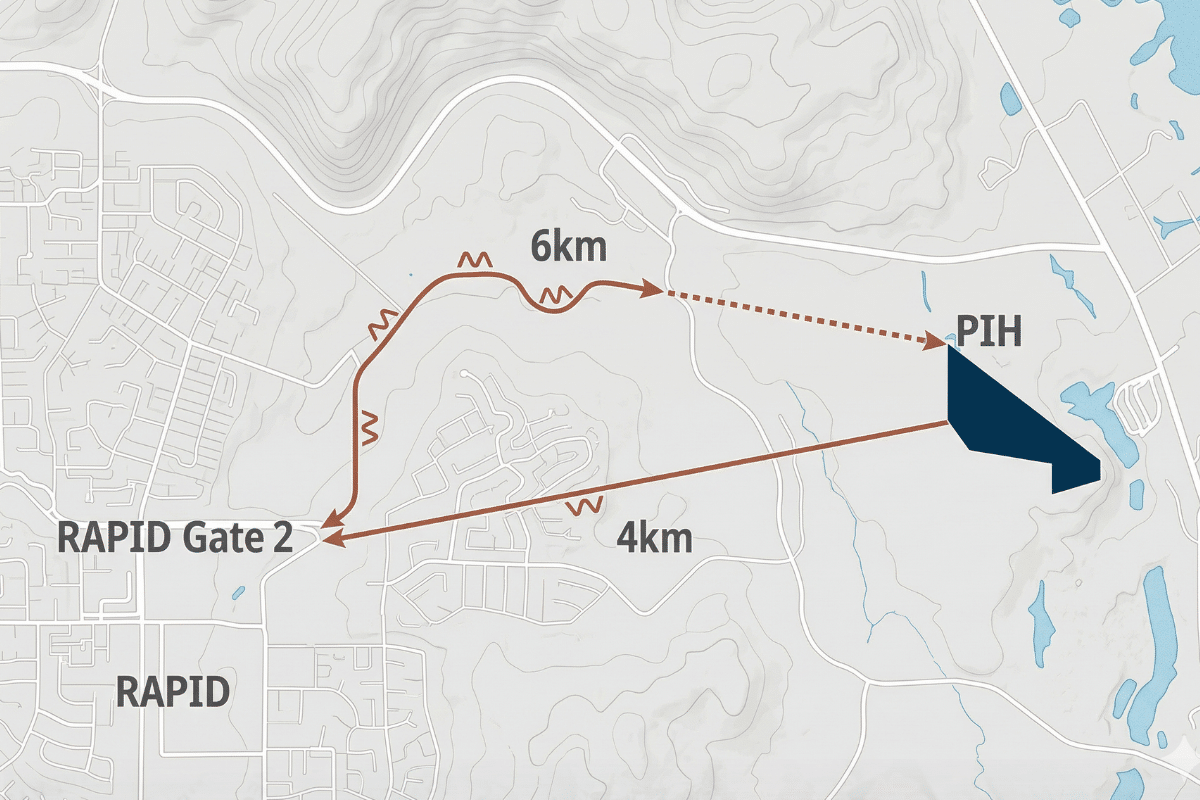
PIH’s geographic positioning is its primary value driver. The hub sits 4km from the USD 27 billion Petronas RAPID complex — placing downstream petrochemical operators, polymer processors, and industrial service providers within direct feedstock proximity. This is a structural cost advantage, not a marketing claim.
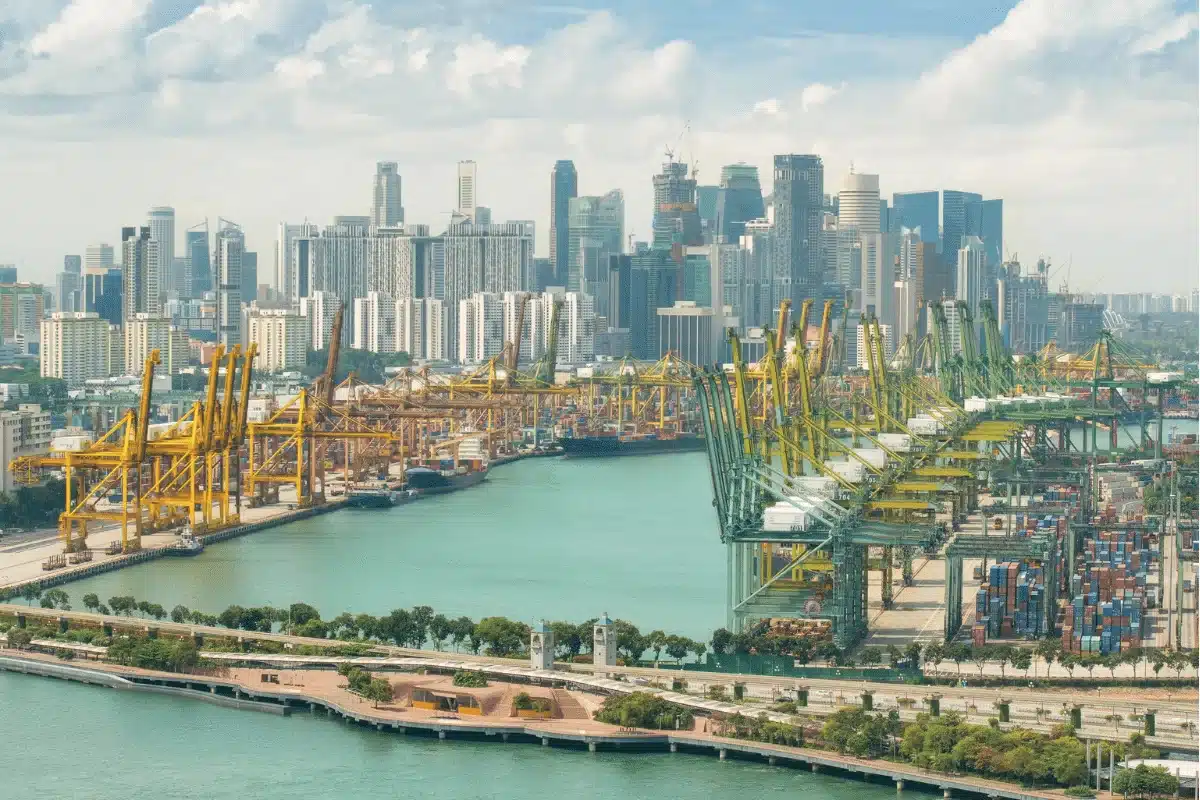
Logistics access is equally compelling. Proximity to the Teluk Ramunia and Tanjung Setapa deep-water jetties (MOLF) enables ultra-heavy cargo handling and direct integration with global shipping lanes. Highway connectivity to Johor Bahru and Johor Port extends the corridor northward, while Singapore’s financial and trade infrastructure sits within practical reach — enabling a credible “Manufacture in Malaysia, access the world via Singapore” operating model.
Asset Specifications: Built for Heavy Industry
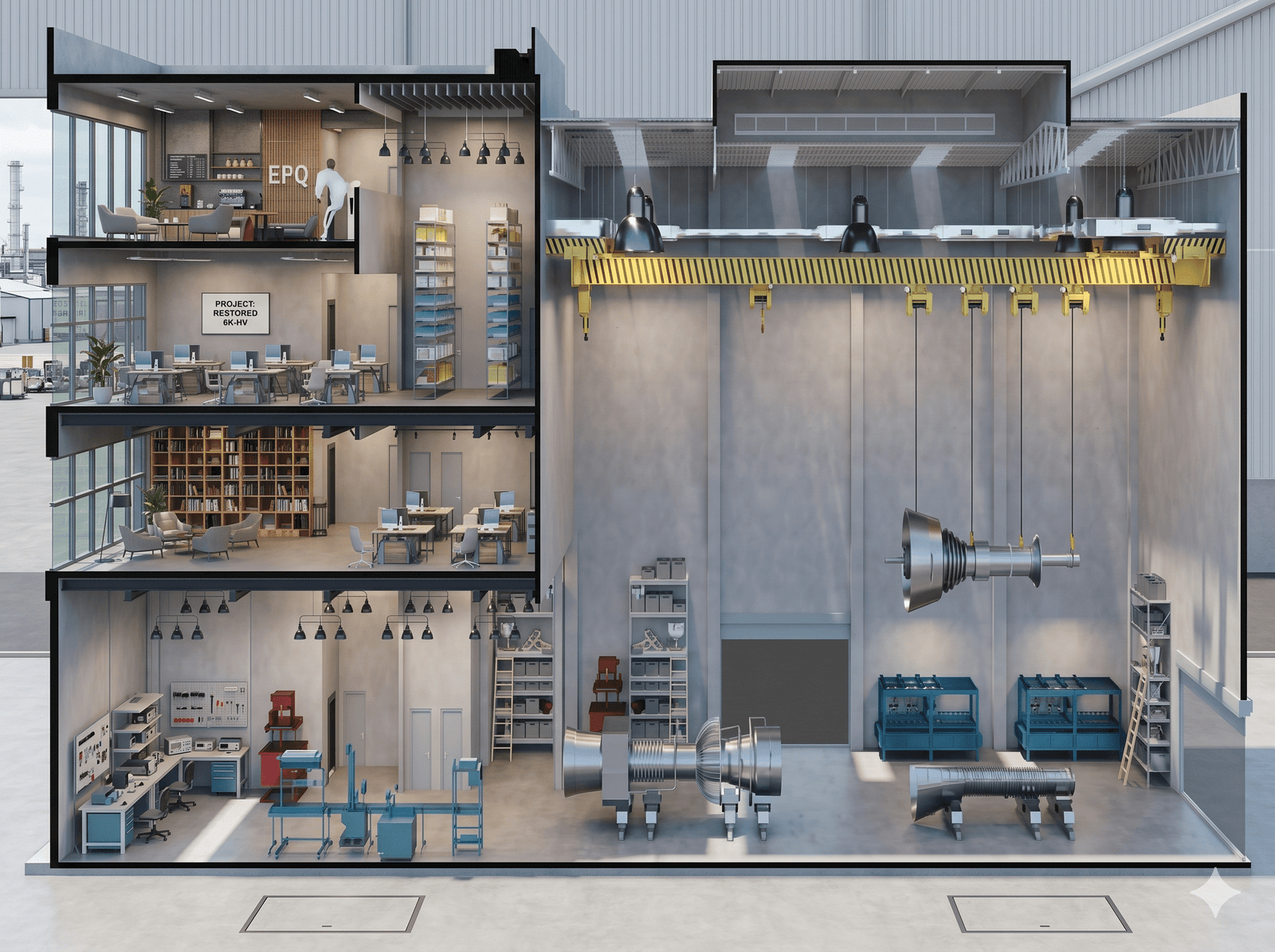
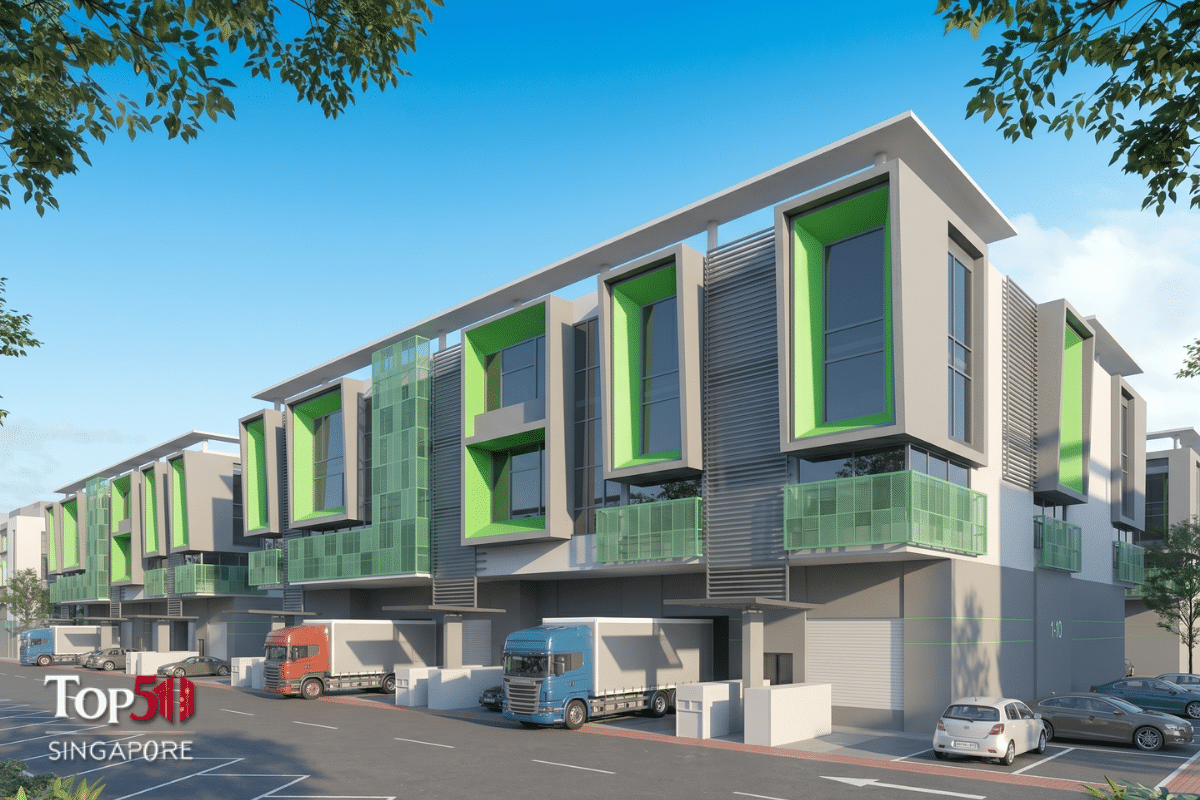
PIH’s ready-built factory units — available in detached, semi-detached, and terrace formats — are engineered specifically for heavy industrial and high-frequency logistics operations, not adapted from lighter commercial stock. The specifications speak for themselves:
| Comparison Metric | Traditional Industrial Parks | Pengerang Industrial Hub (PIH) |
|---|---|---|
| Clear Height | Typically 9 – 12 meters | Up to 13 – 15 meters (High-density stacking) |
| Floor Loading | Approx. 10 – 20 kN/sqm | 50 kN/sqm (Heavy machinery ready) |
| Road Width | Generally 20 – 24 meters | 30-meter wide main roads (Heavy truck friendly) |
Units are gantry crane-ready — a specification detail that matters significantly to precision manufacturers and heavy equipment operators evaluating fit-out costs.
Target Sectors & Incentive Stack
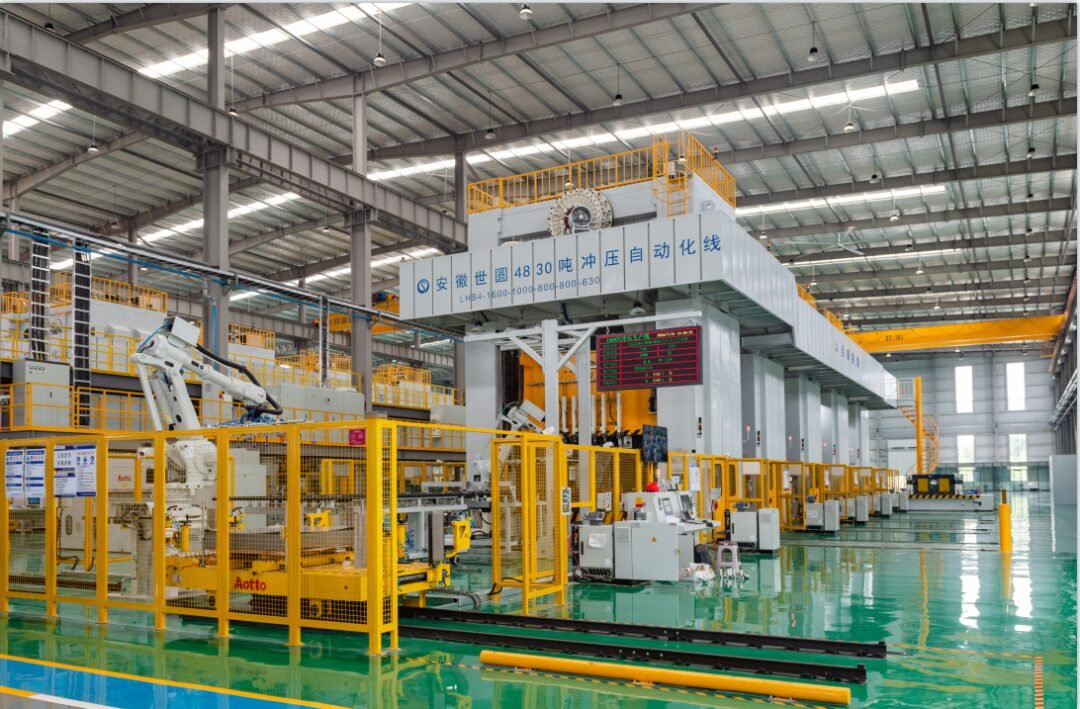
PIH targets four sectors with clear demand rationale: downstream petrochemicals (leveraging RAPID feedstock), advanced manufacturing (precision machining, Industry 4.0 robotics), industrial services (heavy equipment lifecycle management), and energy & environment (clean tech R&D, carbon capture, renewables).
On the policy side, JS-SEZ designation delivers a meaningful incentive package for applications between 2025–2034: a 5% preferential corporate tax rate for up to 15 years, or a 100% Investment Tax Allowance (ITA). Qualified scientists and engineers benefit from a flat 15% personal income tax rate. Administrative friction is reduced via the IMFC-J Fast-Track approval mechanism.
Industrial phase construction is scheduled to commence October 2026. For corporate occupiers and investors evaluating entry, pre-groundbreaking engagement typically yields the most favourable unit selection and terms. PIH is a focused opportunity in a well-defined corridor — the fundamentals are in place.