Singapore’s Startup Scene the Top 5 Industries That Are Actually Moving the Needle
If you’ve been scourging LinkedIn for the last couple of weeks, you’ll likely have noticed a common theme. All your smartest friends who once said, “I’m relocating to KL for the F&B scene” are now saying “I’m spending a week in Singapore”. Not just because of the airport food. There’s a quiet-but-explosive energy building along the Causeway. It’s being discussed in coffee shops hipster style, not kopitiam regarding valuations, seed rounds, and a little something called “Agentic AI “. It feels similar to 2014 when everyone was “mailing from Singapore”. But instead of e-commerce, it’s all about deep technology and hard science. I’ve spoken with numerous founders who recently moved here. The overall consensus is that Singapore startup ecosystem industries. Which are now past the ‘copying what SV does’ stage and are creating their own versions of what startups should be. So, if you’re sitting in PJ, Penang, or even any other location wondering if “Is it worth sitting in traffic?” or “What are they doing over there?”. Here’s an overview of the current state of things. Devoid of all the fluff and more like a factual breakdown of current leading-edge industries by size.
2026 INDUSTRY PULSE
The AI Ecosystem From Hype to Hardware

The ChatGPT phenomenon has served as a stimulus for the development of theAI startup ecosystem in Singapore. Which contrary to prior expectations of a chatbot-centric ecosystem will not be limited and will have a physical manifestation.
Historically, incubators and accelerators in Singapore have focused on supporting the growth and development of marketplace applications. Now, we are seeing the physical embodiment of this shift occur with developments such as LaunchPad @ One-North. The Singapore Government has recently made the announcement to implement ‘Kampong AI’. An entire block dedicated to integrating living spaces and AI development (70 companies will open prior to 2028).
The movement of such capital into the AI development market is an indication of the seriousness of this investment. We are witnessing a significant realignment within the Singapore tech startup sector. As it relates to the areas of focus on software development. NeuBird AI illustrates this paradigm shift. They completed a fundraising round of $19.3 million to develop ‘agentic systems. However, they said IT professionals automate the repair of cloud-based servers. OnSite raised SGD 1.7 million with the goal of applying AI to improve the management of communication amongst workers at construction sites. Thereby reducing the confusion generated by group messaging systems when developing new buildings.
Ultimately, Singapore appears to be transitioning away from competition with the US. On the basis of pure research to a winning position based on developing solutions that work well within the hot, humid and noisy conditions that prevail across the Southeast Asian region. This provides Singapore with a definite comparative advantage.
Singapore startup ecosystem industries: Fintech & The Stablecoin Glow Up
Cryptocurrency appeared like an out-of-place family member during large holiday meals. Furthermore discussions about cryptocurrencies would be kept to a minimum. That however seems to be changing rapidly. The fintech startups of Singapore have become more established over time, with the newest trend being “Stablecoins”. We aren’t referring to the fake scams that have been perpetrated on people.
Change has come because of new venture capital funding into MetaComp ($35M) with investors from companies like Alibaba. MetaComp will be providing what they are calling Web2.5. Which an introduction into the world of blockchain technology by allowing large corporations easy access to funding through stablecoins and traditional fiat currencies – for international payments.
The amount of funding being poured into Singapore’s startup ecosystem through online investment platforms has created a safe network for investors when funding startup companies. The Monetary Authority of Singapore (MAS) has created a solid licensing structure for these types of transactions. Thus providing a “boring” structure for the wild west of cryptocurrency transactions resulting in the ability for banks to operate safely.
The city of Singapore is also proving to be neutral amongst the US and Chinese economies. As evidenced by dtcpay currently opening their doors in Singapore. They provide stablecoin payments in association with their banking partners, who use Visa cards as a method of payment. By having stablecoins available for everyday transactions, businesses may find themselves able to provide cryptocurrency as a form of payment without risk.
Climate Tech which The Rise of the Duckweed
“Climate Tech” may not appear to be an exciting concept. But there is much more to climate technology than just solar panels or electric scooters. In fact there are many companies in the Singapore startup ecosystem leveraging creative and innovative solutions to solve age-old problems.
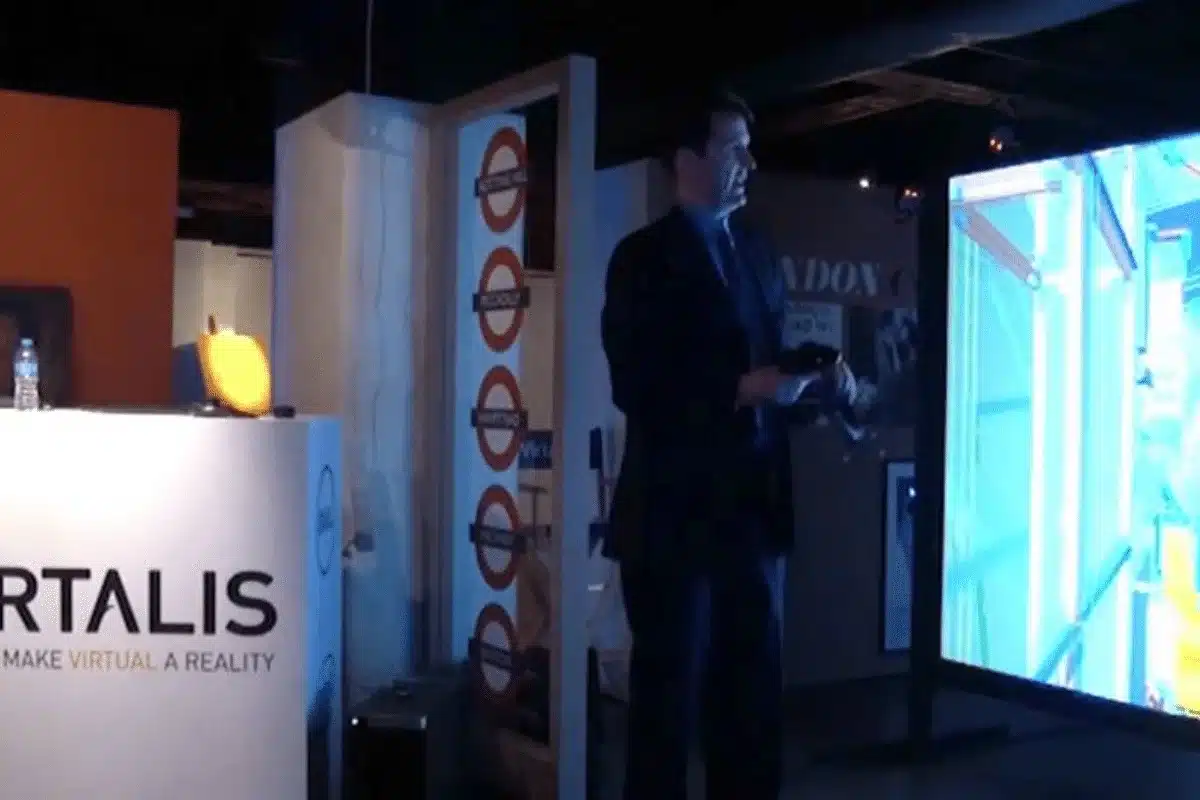
One example of this is Virdalis, which raised USD 700K to develop… duck weed! As kids many of us may have hated this green plant but it turns out. That it is actually nature’s perfect animal protein. The typical way to feed livestock would be to import soybeans from Brazil. Which leads to rampant deforestation and high shipping costs. However, with Virdalis’ model of growing duckweed in ponds in Singapore it takes just 7 days to get protein on the farm. It is also a very low cost and sustainable option. Wavemaker Impact believes in this business model and invested in Virdalis.
This type of business exemplifies what it means to be Singaporean. Given that Singapore doesn’t have an abundance of land, we need to continue to utilize our biotechnology and agri-science capabilities to innovate in order to survive. The growth of this sector is also attracting a new breed of Singapore startup venture capitalists. That care about investing in companies that yield both financial and social environmental governance (esg) returns. We are currently witnessing the emergence of innovation hubs and co-working spaces in Singapore that are geared to support green technology development. At One-North you will find a chemistry lab or biological lab next to a coffee shop, as opposed to just a computer coding company.
HealthTech Contactless Care
During the pandemic, many people exhibited heightened paranoia and anxiety over the presence of germs in our environment and ultimately how they could infect us. Health technology is providing solutions for this ever-increasing concern, among other things.
Of particular note and future interest is a company called Injewelme who recently raised $1.2 million with assistance from Temasek Trust. Which to create what is essentially a method for measuring blood pressure and any other important vital signs by simply using an individual’s image captured on video. Injewelme relies on artificial intelligence to assess how light reflects from the individuals’ skin to calculate vital sign measurements. The result of this technology eliminates the need for physical measurement methods such as a blood pressure cuff or blood sample.
In the context of a rapidly aging population such as Singapore’s, this new technology represents a monumental shift in how telemedicine will develop in our society. Many of the other early-stage companies currently operating in Singapore’s burgeoning biotechnology sector are receiving significant support from both the government and numerous private laboratories. Additionally, many of these bioscience companies have begun transitioning from being solely fitness trackers towards being Diagnostic Tools.
While working within one of Singapore’s numerous innovation spaces (i.e., coworking facilities such as LaunchPad), one can observe as many patients and employees wearing lab coats as there are wearing hoodies. Thus blurring the once-clear lines between the computer and life sciences industries and ultimately creating opportunities for ambient healthcare.
Cybersecurity & Deep Tech is The Neutral Zone
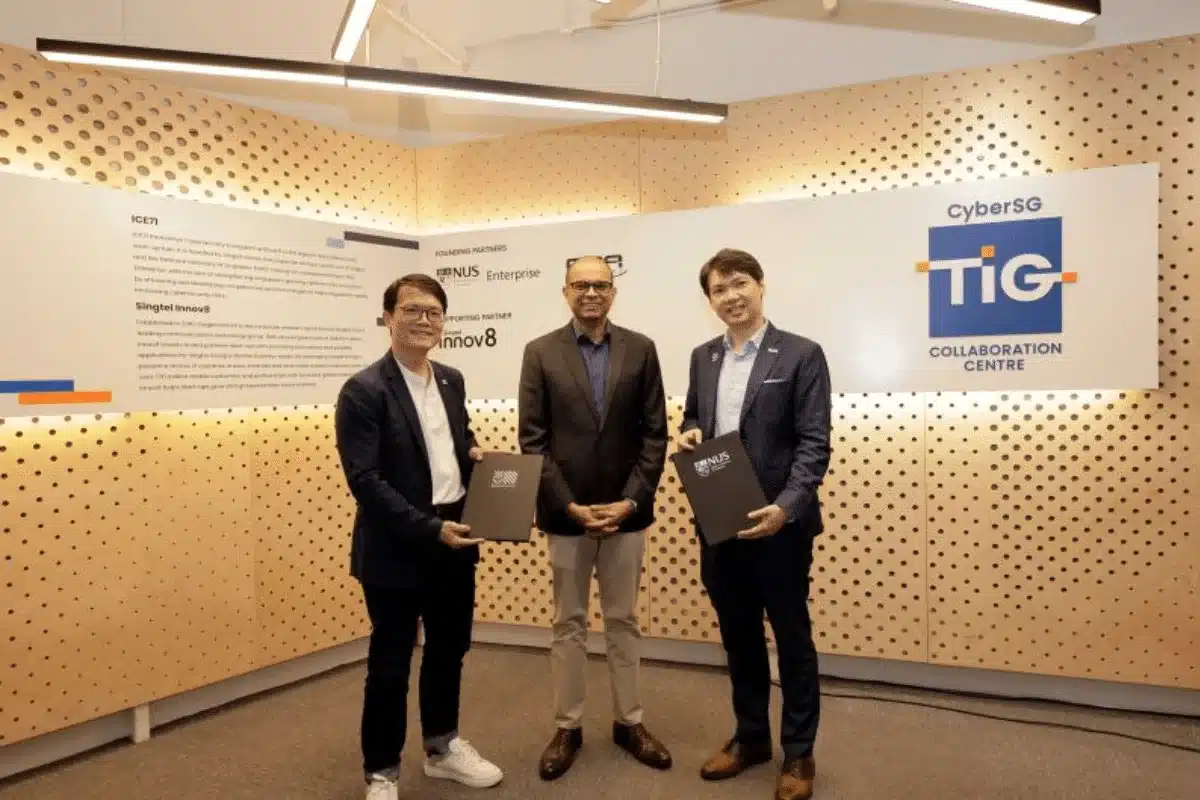
So now let’s briefly cover cyber security. The ongoing tension between the US and China has meant many organisations globally are unwilling to store their data in either country. Resulting in Singapore’s emergence as “Switzerland of Asia” in respect to digital security. Singapore’s AI startup ecosystem is benefiting from the favourable geo-political situation, causing international corporations to rethink their current data storage locations. TheCyberSG TIG Centre’s CyberBoost NEXT program is aggressively supporting founders developing innovative cybersecurity solutions. They provide up to SGD1 million funding for the development of innovative solutions.
Something that is interesting to consider is the “deep tech” opportunity. Moringa Ventures has recently launched a 10-week accelerator programme to fund founders developing “research-based” start-ups in the robotics and advanced materials sectors. This does not include developing an app that allows you to order food. Rather, these will be specialized hardware devices that will help to secure the power grid and enable quantum computing.
These are top-tier industries within theSingapore startup ecosystem industries. Thus, presenting a high-risk, high-reward proposition. Founders are willing to build their hard tech in Singapore, due to the country’s significant intellectual property protection. As well as its ability to enforce the rule of law. A number of unicorn start-ups in Singapore. Such as PixVerse — Video Generation AI are establishing global headquarters in Singapore, to facilitate their global expansion efforts. As such, this is a strong indication that Singapore is no longer a “sandbox,” but rather emerging as the global stage.