Exploring the Singapore industry performance analysis: Which sectors are leading the pack?
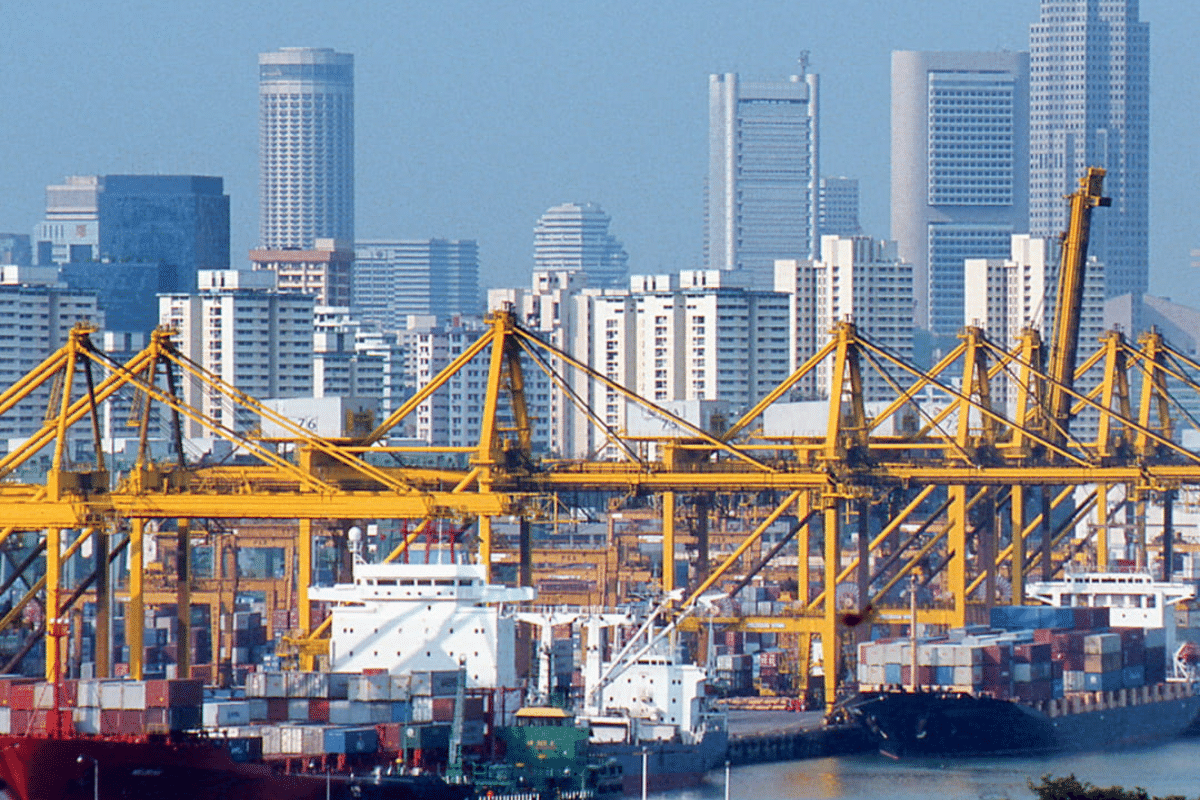
In Malaysia, we often keep up to date on the economy in Singapore. We kept a close eye on matters. Such as when the exchange rate went to a peak and looked at what we could do to afford or how much it would cost for us to have a weekend in Singapore. Recently, the conversations have changed from talking only about the “cost” as businesses and freelancers. Which want to know what industry in Singapore is any good and growing. You look at a lot of the thick government reports and see terms simply like GDP (Gross Domestic Product) or YoY (Year Over Year) with too many numbers to deal with. You do not need a PhD to have a clear and well-structured of Singapore industry performance analysis. It is doing but look at the inventory of people moving through Changi Airport. Or what is currently being built in Jurong and Marina Bay since you will have a better understanding of how well it works.
By 2026, Singapore will become a “living laboratory” where new technology and financial products will be tested in Singapore before moving to all of Southeast Asia. As neighbors, knowing the ‘pulse’ of our neighbor’s market will become vital intelligence for any organizations entering into a partnership or planning to invest next.
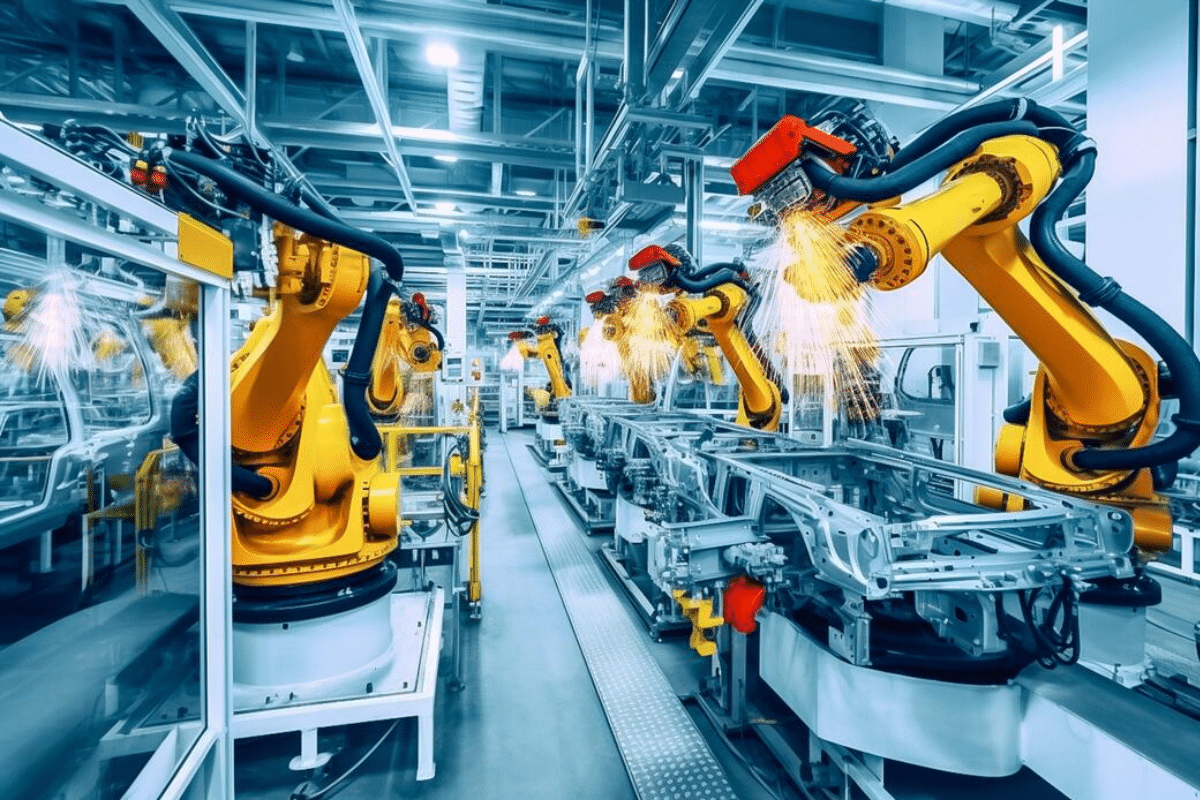
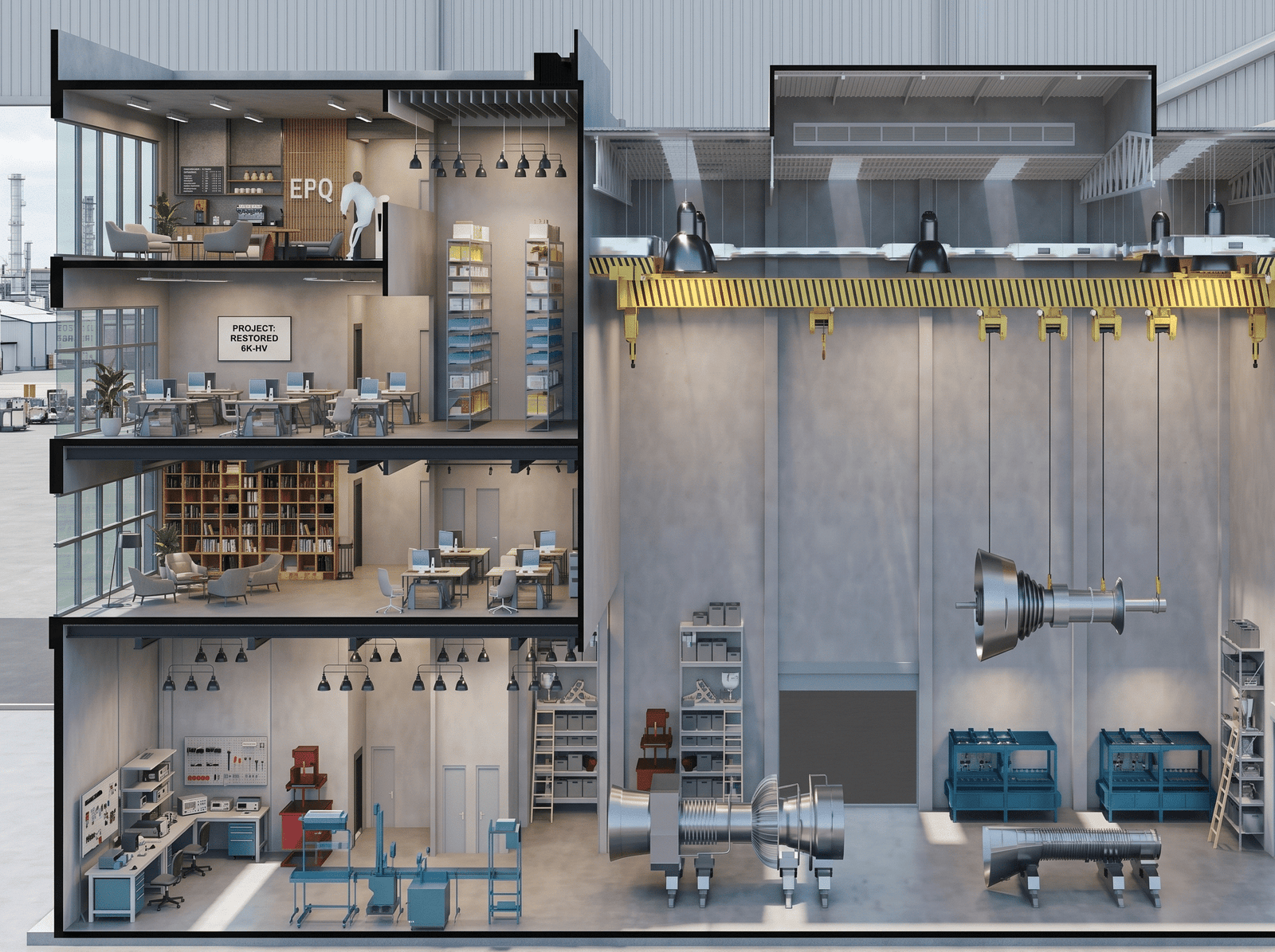
While you may assume that factories are no longer necessary due to Singapore being a tiny country with high-priced land. That is not the case. The definition of the term ‘factory’ has simply changed. Today, if you were to go to Tuas you would find the buildings quiet and sterile looking like laboratories. Rather than factories as advanced manufacturing is at its highest level of development ever before.
Manufacturing is still a significant part of Singapore’s industrial climate when doing a performance analysis of any current industries. However, the manufacturing industry has moved away from a focus on labour intensive industries and into industries focused on semiconductors and precision engineering. The boom of AI technology and the increase in demand for electric vehicles is predicted to create increased demand for computer chips, particularly through 2026. Singapore is perfectly positioned to take advantage of this demand for computer chips with respect to their manufacturing output by producing highly complicated and intricate components of computer chips not easily replicated by other countries. The dual-hub effect is being created in Malaysia because of the transition of manufacturing work by many Singaporean companies. Which from island-based high-value research and development work to back-end assembly in Johor and Penang. This synergetic relationship creates an undeniable link between Singapore and Malaysia. As a result of more than just a common physical border.
Tech Industry Performance Singapore and AI Integration
Singapore is often associated with the technology economy, using familiar names such as Grab to represent the technology economy. However the next 4 years will not only be about above-ground apps but rather focus heavily on “hard tech,” and the use of deep AI will increase significantly. Investment into the technology industry within Singapore is already seen clearly in investments into data centers and cybersecurity. Singapore is looking to position itself as the digital brain of the region while not only being a location where applications are built. With the changing political climate, many global players feel that Singapore is the best location to host their data and because of this, there has been an incredible amount of cloud-based services and analytics being offered from Singapore; this is not hype but a major part of the business performance trends that we see in Singapore today.
Technology is becoming increasingly integrated into all industries. Therefore, all industries from agriculture to logistics to urban farming are pushed to optimize their workflow and processes with the help of AI. The creation of this technology-driven environment will provide great opportunity for Malaysian tech talent. Having that tech talent does not require being on-site to contribute to the cutting-edge projects and will lead to more remote collaboration opportunities.
Where the Wealth Flows: Financial Sector Growth Singapore
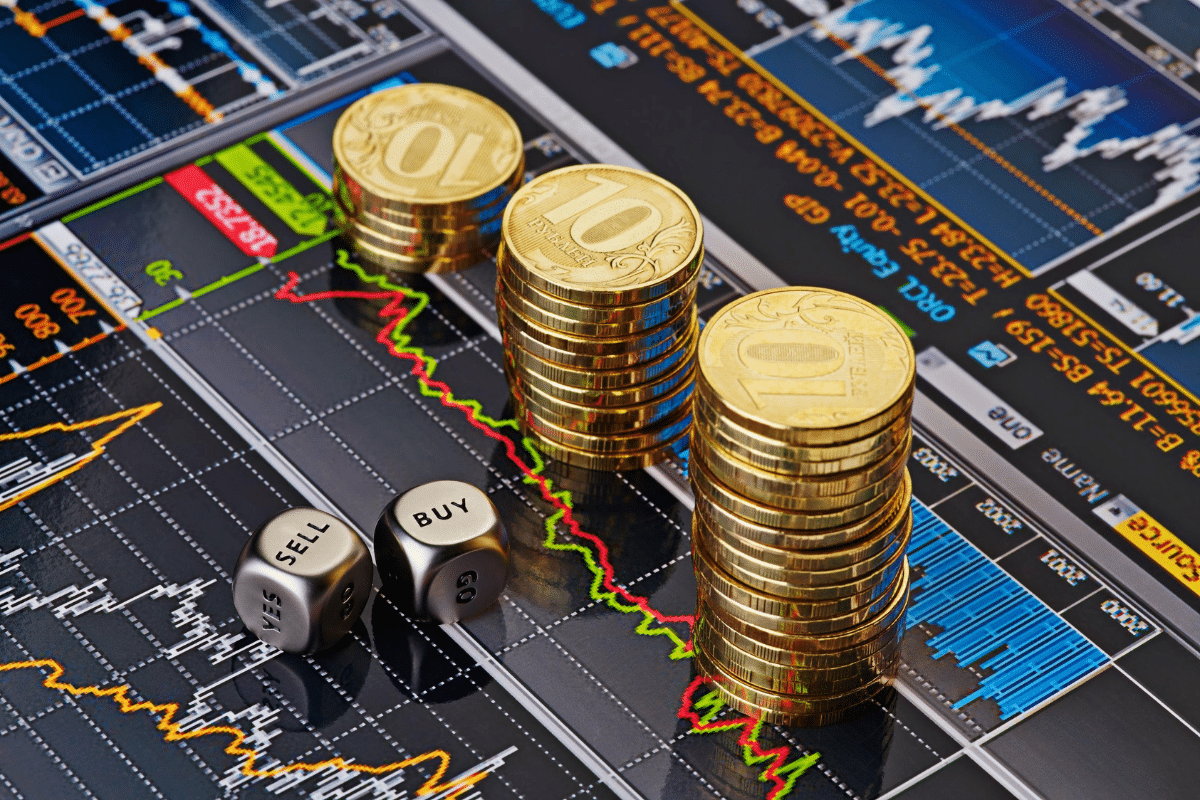
Singapore has a long history as a global financial center. However, the flavour of the financial services industry in 2026 is vastly different to 2023. Rather than just traditional banking deposits, wealth management and the infux of family offices are generating most of the buzz. When looking specifically at how the financial services industry is performing in Singapore. The financial services sector continues to thrive. Certainly, the financial sector of Singapore has historically been driven by Singapore’s position a safe haven’t for global capital. In 2026 however, we are no longer just talking about the likes of the large banks. But also about the new digital banks and cross-border payment solutions that make conventional banking seem slow in comparison.
The efficiency of financial services in Singapore is remarkable. The use of integrated financial technology has meant that applying for credit and managing investments is now almost instantaneous. This creates a significant positive domino effect into the professional service sectors and high-end real estate sectors. Which adds to the continuing strength of the overall financial services market in Singapore.
Singapore Investment Climate Analysis
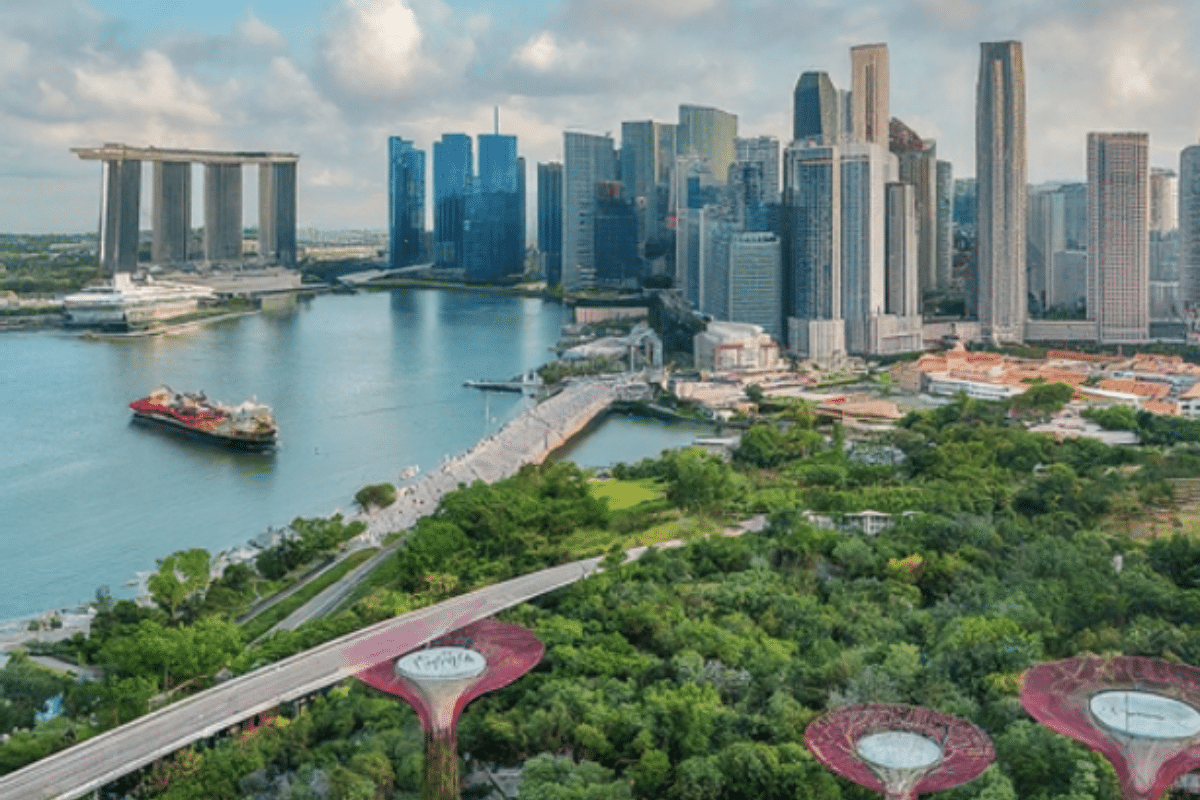
Those visiting Singapore will see a much greener and more sustainable city than perhaps ever before. Green finance and carbon trading have already become major sources of revenue for the country. By 2026, they will become significant economic drivers as well. International investors are increasingly focused on ESG (environmental, social, and governance), and the government has taken steps beyond just talking about being green. It has created both subsidies and regulatory frameworks that encourage clean energy companies to open offices there.
Thanks to this transformation, traditional businesses will have to become more sustainable. Such organizations are now providing proof of their low-carbon capabilities so they can access lower-cost financing. This demonstrates the resilience of Singapore’s industrial base in being able to take a global issue. Such as climate change and create a specialized, value-added service from it.
Industry Contribution to GDP Singapore in Healthcare
We mustn’t forget about Biomedical Sciences. This sector has been flying below many people’s radar yet playing an important role in Singapore’s GDP growthsp. Especially in the years leading up to 2026 when Singapore will have established itself as a global leader in clinical trials and personalized medicine. Pharmaceutical companies can comfortably invest billions into R&D labs in Singapore. It is because of the country’s stringent legal framework and protection of intellectual property laws. While most people won’t see these laboratories during their weekend shopping, they are an important contributor to the country’s economy.
Diversification is another term that’s use in the Singapore Economic Outlook. Not placing all their eggs in the trade and tourism basket allows for more stability by providing an alternate source of stability when the trades or tourism markets drop. It is this balance of sectors that contributes to Singapore’s continued attractiveness. As the destination of choice for international brands that want to enter Asia.