Beyond the Traditional Hub A Deep Dive into the Top 5 Singapore emerging business industries Rewriting the Region’s Future
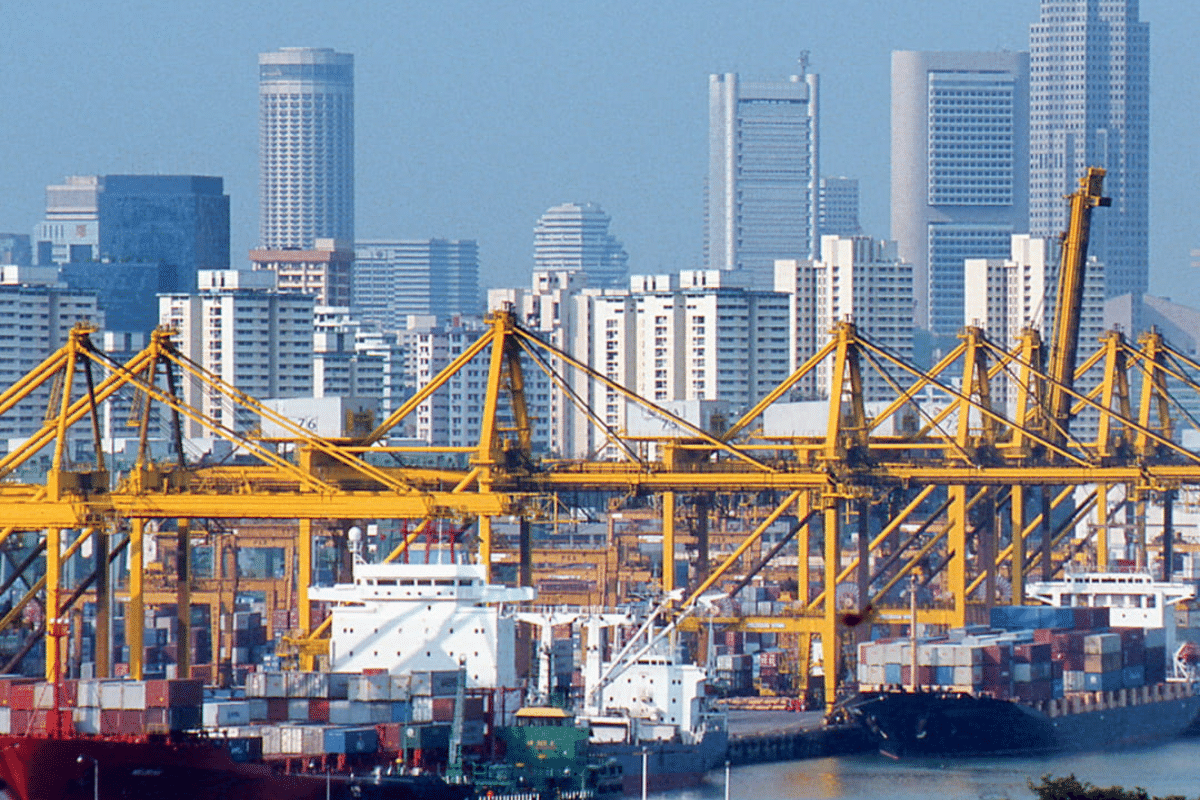
Singapore has been known primarily as a financial center and regional headquarters for many years. However, there is now an evolving discussion about Singapore emerging business industries. Countries such as AI, digital financial technology, environmentally friendly technologies, advanced technical manufacturing and digital services are making Singapore into a testing ground for industries. And those industries are focus on the future of jobs and businesses.
The changes being seen by professionals in Johor Bahru and Kuala Lumpur illustrate that this transition is underway. More roles have been created in the last five years than at any point before. New parks like One-North and Changi have been built mostly focused on innovation rather than traditional businesses. Capital is no longer just a secure investment. Singapore is an innovative region setting the direction for how people will work and do business throughout Asia. Countries near Singapore and their respective businesses will benefit from a clear understanding of this dynamic. They also newly forming business landscape in Singapore. Many of the jobs, partnerships and investment opportunities created in the next decade will be related to these rapidly developing industries. There are five identifiable sectors or categories of business activity within these industries. That will be the driving forces in creating the new economic power for Singapore.
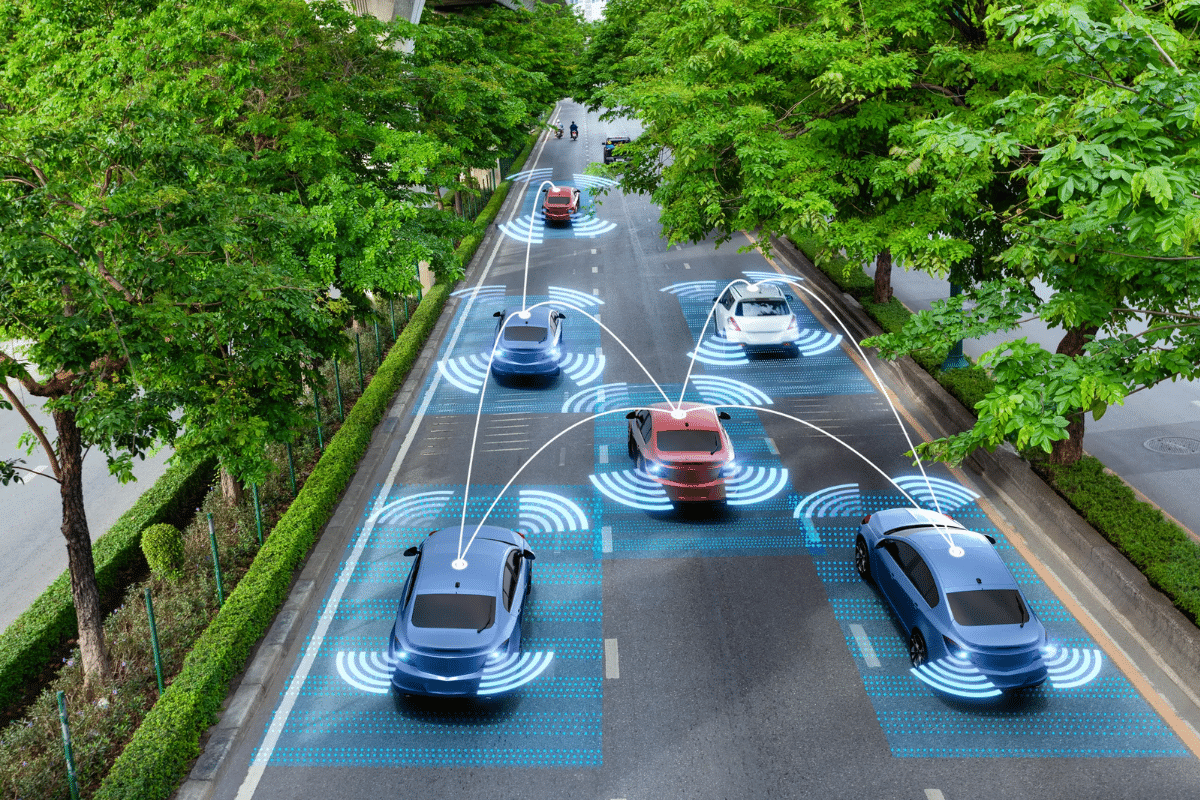
Consider how we used to conceptualize software engineering roles. The main activity consisted of creating apps, setting up e-commerce sites, or developing database systems for businesses. However, if you inquire with developers from the island nation today about what they do as developers, the dialogue has shifted beyond simple coding problems. Developers now seem to concentrate on AI and deep technology startups in Singapore.
This does not entail just leveraging the ChatGPT AI application to send emails more quickly. It entails companies developing foundational models to assist marine vessels navigating the Strait of Singapore more effectively. They creating sophisticated algorithms to identify flaws in the production of microchips before they leave the manufacturing facility. There is significant engineering research happening in the city-state that requires years to monetize. Which represents a significant departure from the typical high-speed profit startup mentality.
When visiting companies in locations like Block 71, it is apparent that these firms work on physical and complex business problems. They combine software with advanced hardware, building items. Such as drones for automatic inspections of industrial structures. As well as localized language models tailored for Southeast Asia dialects and businesses. The venture capital funding landscape has also adjusted. Thereby increasing the amount of venture capital flowing into deep technical defensibility companies and not simply those focused on flash marketing to retailers. This is a slow and deliberate process that continues to establish the city-state as the engineering brain of regional enterprise software.
The Practical Sustainability Shift
In the past, many businesses promoted their environmentally friendly initiatives largely for marketing purposes. Businesses would print less paper or put recycle bins in their office and then call themselves environmentally responsible. This type of environmental promotion is no longer acceptable to consumers. As a result, the entire green economy ecosystem in Singapore has become an actual transaction-oriented marketplace. As a result of international trade regulations that require actual accountability to the environment. For instance, regional companies who want to send their products to Europe will need to provide proof that their carbon footprint data is accurate. As a result, there has developed an entire marketplace within the city. It’s for the carbon accountants, environmental auditors, and green finance professionals. Businesses now recognize that to remain part of the global supply chain. Sustainability is not a luxury item, but actually a requirement of doing business.
At the same time, the local infrastructure is undergoing an enormous transformation to facilitate a local renewable-energy industry. Due to Singapore’s limited landmass, engineers are building large floating, solar-farm-type energy farms in bodies of water like Tengeh. At the same time, corporate buildings are completely retrofitting their buildings with energy-efficient cooling systems to reduce energy usage. This is a very reasonable approach to a global challenge. Which focus on energy efficiency, waste circularity, and verifiable carbon tracking because the more energy efficient a business is, the less it will pay to operate.
Re-engineering How Money Moves
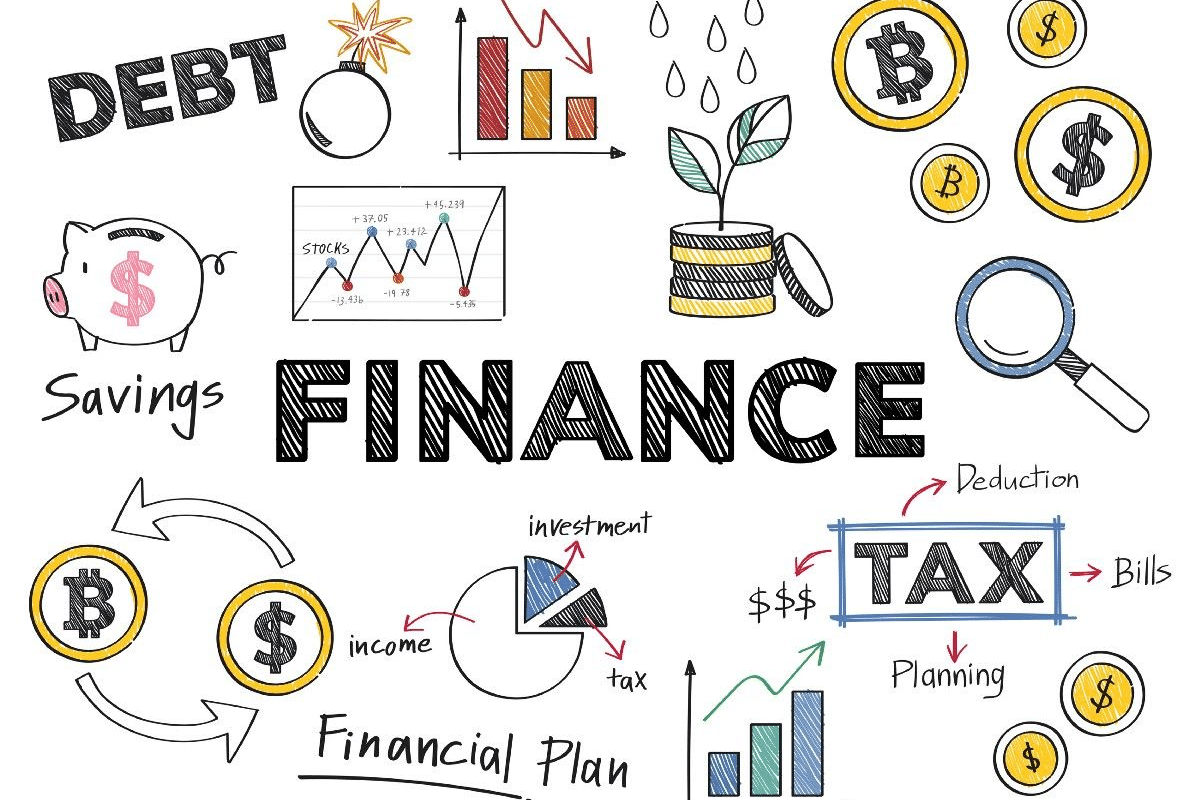
Traditional banking is often time-consuming and frustrating. Banking involves paper applications, weeks waiting for cross-border transfers and complex corporate money transfer websites. While existing banks remain very large, there is a tremendous amount of excitement happening near the ground level through innovations in FinTech. One clear example of this change can be seen in cross-border payments between payment systems like PayNow in Singapore and DuitNow in Malaysia. That level of transactional efficiency is very much a result of the infrastructure development that has taken place. While the FinTechs in Singapore are creating better consumer experiences through their apps, they are also completely redesigning the back-end systems of the financial industry. So that money can flow across borders instantaneously with minimal costs.
A large part of the growth in FinTech companies in Singapore is also a result of the maturing of the Web3 and blockchain startup communities. There is no more emphasis on speculation with retail tokens, but rather focused on utility and institutional usage. Consider the possibilities of large global banks clearing multi-million dollar trade finance transactions in real time on a decentralized ledger. They also consider the possibilities of logistics companies using smart contracts to automatically make escrow payments when shipping containers arrive at a port. The application of FinTech as a source of liquidity for large global companies will keep Singapore ahead of the competition. To making it an ideal location for testing how large global businesses can manage liquidity.
Real-World Clinical Frontiers
Traditional healthcare was primarily focused on local communities. You would become ill, visit a doctor, and use manufactured medicines from the West. The demographic landscape of the region is rapidly changing. Such as a greater percentage of the population is elderly, and more people have chronic illnesses. This demographic shift has hastened the growth of biotechnology and health technology in Singapore. They expanded the medical research sector into an industry with large manufacturers who manufacture and test for those medicines locally.
According to those who work at the Tuas Biomedical Park, the facilities there are no longer just packaging pills. They are producing complex biological products and conducting advanced clinical trials specifically designed to test new therapies for Asian genetic traits. Which have historically been under-represented in the global medical research community. On the consumer side, these changes have manifested as predictive healthcare apps used by doctors. It help to identify health risks to patients even before any symptoms have occurred. They also include the utilization of telemedicine networks to connect remote specialists with clinics in Southeast Asia, and new automated diagnostic technology to decrease human error in testing labs. By combining extensive medical research and quickly deploying those solutions on a digital basis, this sector is dramatically altering the way we manage healthcare, from being reactive to being highly effective and data-driven.
Transforming Advanced Logistics and Supply Chains
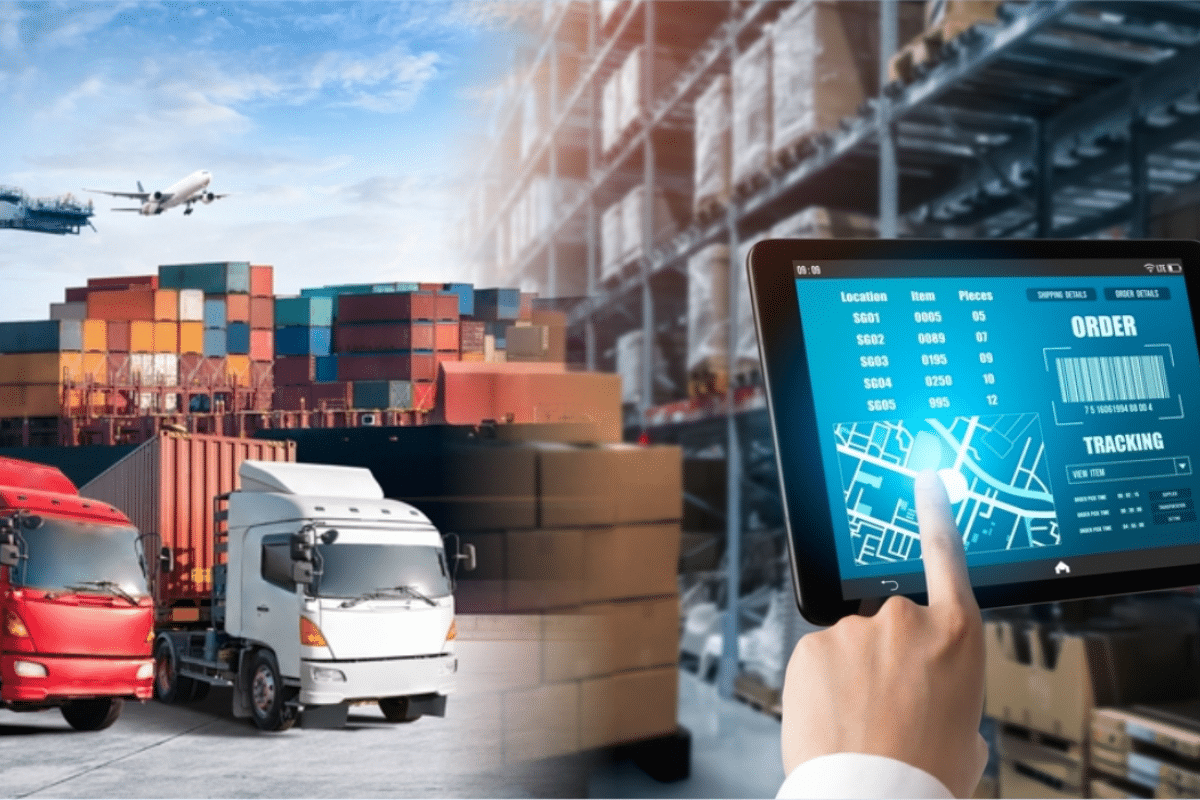
Any person managing an international business knows how fragile supply chains can be. One delay at the port, or one screw-up in a warehouse inventory system will bring the revenue for that entire quarter teetering on the edge of failure. This product disruption is why intelligent city technologies have been aggressively entering into the industrial logistics space. The goal is to create perfect visibility throughout global supply networks. This means tracking a container’s total journey, including the exact date, hour, temperature, and customs status of the container at every point in time through the use of Internet of Things (IoT) sensor arrays.
The data generated from this approach has been directly aligned with the explosive growth experienced in the robotics and automatic industries. For example, visit any of the current distribution centers located near Changi International Airport, and you will see that the traditional image of warehouses has changed dramatically. Autonomous vehicles do the moving of heavy physical products. AI software makes new delivery routes for trucks based on live traffic conditions and current issues being experienced at ports. This is a highly coordinated environment in which hardware and software work together to carry global commerce through our area with no single point of failure, assuring Singapore’s position as the essential logistical center for all global commerce.