Johor is one of Malaysia’s most dynamic industrial growth regions, home to a wide range of mature and emerging industrial parks. With so many options available, investors often ask: Which industrial park best fits my industry needs, supply chain strategy, and long-term expansion plan? Among the many choices, the Pengerang Industrial Hub (PIH) has quickly gained attention for its unique locational strengths and modern development approach. This article presents a clear comparison framework to help investors make the right decision.
Quick Look
- 1. Unique Selling Point: Exclusive Proximity to the RAPID Mega-Project
- 2. A Next-Generation Industrial Park: Infrastructure & Flexibility
- 3. PIH vs Other Johor Industrial Parks: Key Differences at a Glance
- 4. Which Companies Benefit Most from Choosing Pengerang Industrial Hub?
- 5. How to Make a Smart Industrial Investment Decision
Unique Selling Points of the Pengerang Industrial Hub (PIH)
1. Exclusive Proximity to RAPID: A Value Multiplier from a National Petrochemical Mega-Project
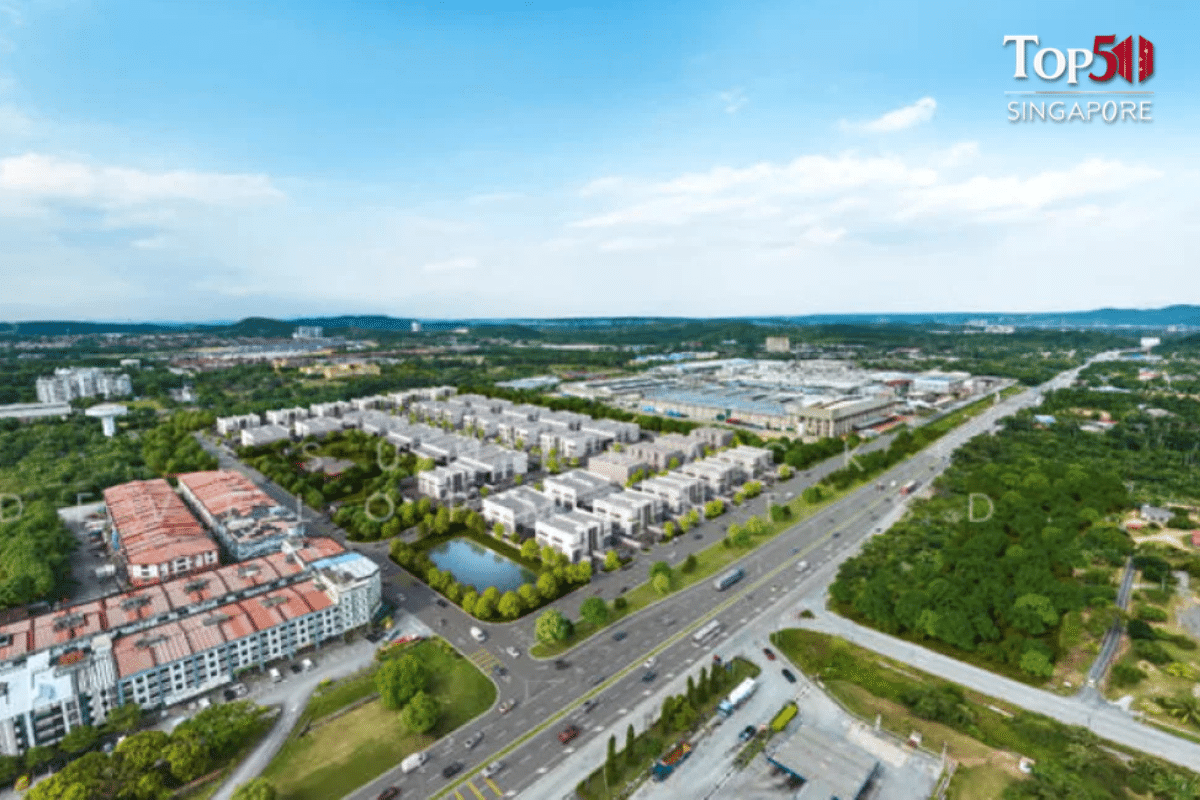
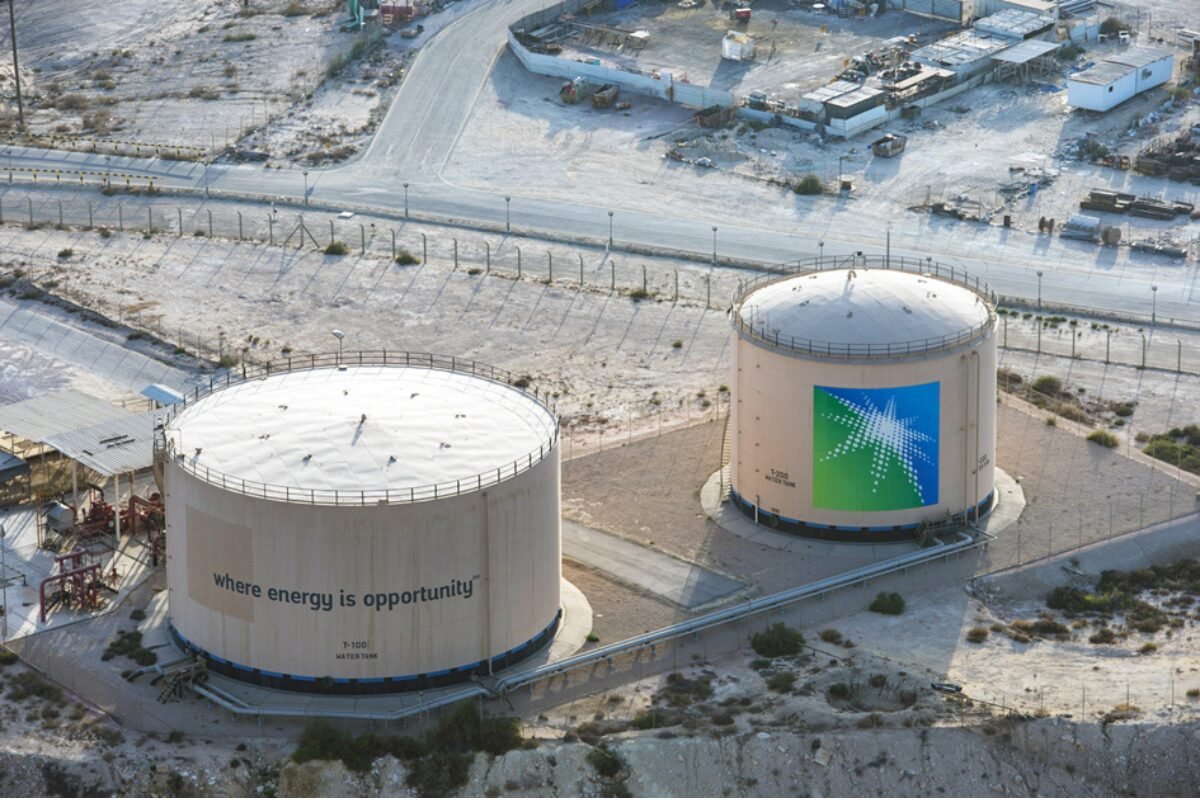
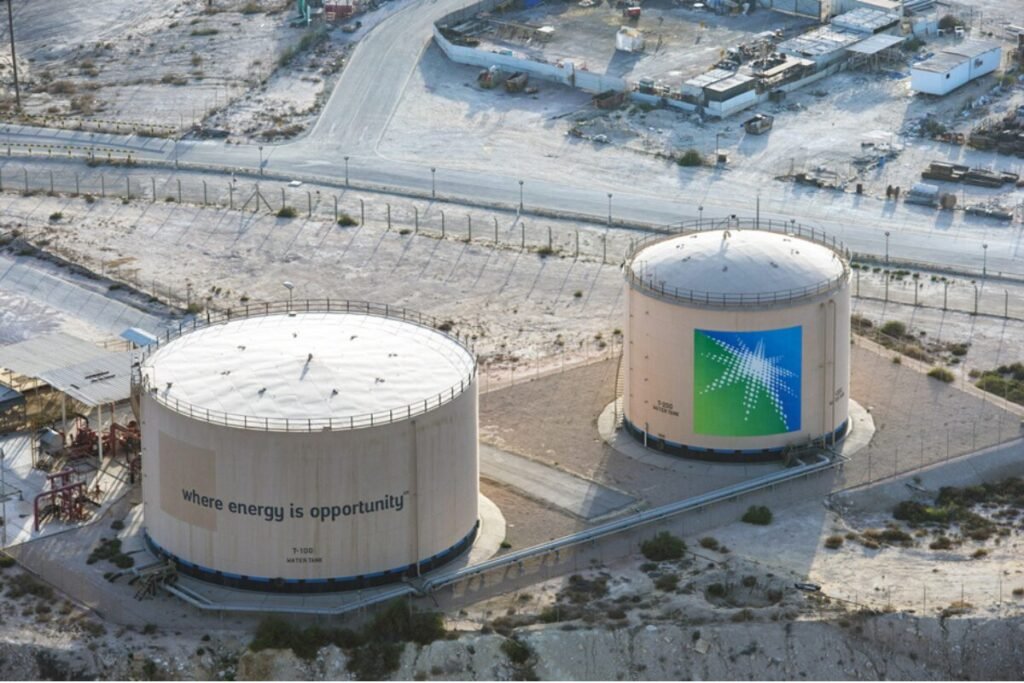
Pengerang Industrial Hub (PIH) is strategically located just 4 km from RAPID, the Refinery and Petrochemical Integrated Development developed by PETRONAS. This level of proximity is exceptionally rare and represents a structural advantage that most other industrial parks in Johor simply do not possess. Being positioned so close to a national petrochemical anchor project places PIH directly within the core of Malaysia’s petrochemical growth corridor, rather than at its periphery.
This proximity translates into tangible operational and strategic benefits for occupiers. Companies located within PIH are able to access feedstock supply with greater stability and predictability, significantly reducing exposure to supply chain disruptions. Shorter transport distances also result in materially lower logistics and handling costs, improving overall cost efficiency across production and distribution. More importantly, physical closeness to RAPID enables natural integration with upstream and downstream petrochemical players, fostering industrial synergies that are difficult to replicate through planning alone.
Beyond individual cost savings, this clustering effect enhances the long-term investment profile of the entire industrial hub. As a USD 27 billion national-level project, RAPID exerts strong industry-driving power that extends well beyond its immediate footprint. Industrial areas situated closest to RAPID are therefore better positioned to capture sustained spillover demand, attract complementary industries, and benefit from compounding growth effects over time. As a result, Pengerang Industrial Hub (PIH)’s proximity to RAPID functions not merely as a locational advantage, but as a structural value multiplier for long-term industrial and investment growth.
2. A “Next-Generation Industrial Park”: Advanced Infrastructure + Flexible Planning
Pengerang Industrial Hub (PIH) is widely positioned as a future-ready, next-generation industrial park, with its strengths extending well beyond location alone. From the outset, the park has been planned to meet the operational requirements of modern industries rather than legacy manufacturing models. Its infrastructure is newly developed and built to high specifications, including reliable high-capacity power supply, natural gas connectivity, stable water resources, and road systems designed to support light, medium, and heavy industrial loads and modern logistics traffic. This ensures that businesses can operate efficiently from day one while retaining sufficient headroom for future growth.
Equally important is the flexibility embedded in Pengerang Industrial Hub (PIH) land-use and master planning. Pengerang Industrial Hub (PIH) offers a more adaptable planning framework that can accommodate different facility scales and evolving operational needs. Companies are able to plan for phased development, future plant expansion, or changes in production configuration. It go without facing the spatial constraints commonly found in mature industrial zones.
The overall design philosophy of Pengerang Industrial Hub (PIH) also aligns closely with current and emerging industrial trends. Which including advanced manufacturing, automation, and smart logistics. Space allocation, infrastructure capacity, and connectivity are structured to support automated processes, data-driven operations, and efficient goods movement, allowing businesses to upgrade technologies over time without major structural limitations. This forward-looking approach reduces long-term retrofit costs and operational disruption as industries continue to evolve.
Pengerang Industrial Hub offer a fundamentally stronger long-term growth profile. Their modern infrastructure, scalable layouts, and adaptability are better aligned with the multi-decade business cycles of manufacturing and logistics companies. This making Pengerang Industrial Hub (PIH) a more sustainable choice for enterprises planning for long-term expansion and value creation. Due to its offer stronger long-term growth capacity, matching decades-long business cycles.
Key Comparison: Pengerang Industrial Hub (PIH) vs. Other Industrial Parks in Johor
Below is an objective comparison based on publicly available information.
1. Strategic Location & Industrial Significance
| Indicator | Pengerang Industrial Hub (PIH) | Typical Johor Industrial Parks |
|---|---|---|
| Distance to RAPID | ~4 km (extremely near) | Often 40–100+ km away |
| Distance to Singapore | ~1–1.5 hours by road | Varies; many are similar or closer |
| Strategic Value | Near both an energy hub and international market | Mostly market-driven or general manufacturing |
2. Industry Positioning
From an industry positioning perspective, Pengerang Industrial Hub (PIH) is clearly differentiated by its focused development strategy. The park is purposefully oriented toward petrochemical downstream activities, manufacturing, logistics, and distribution, creating a strong alignment with the ecosystem driven by RAPID. This targeted positioning allows Pengerang Industrial Hub (PIH) to benefit from direct industrial spillover, supply chain integration, and clustering effects that naturally arise around a major petrochemical anchor. In contrast, many other industrial parks in the region are developed as general-purpose industrial land. While such parks offer flexibility across industries, they typically lack the same level of specialization and ecosystem depth, resulting in weaker industry clustering and fewer synergies among tenants.
3. Infrastructure Modernity
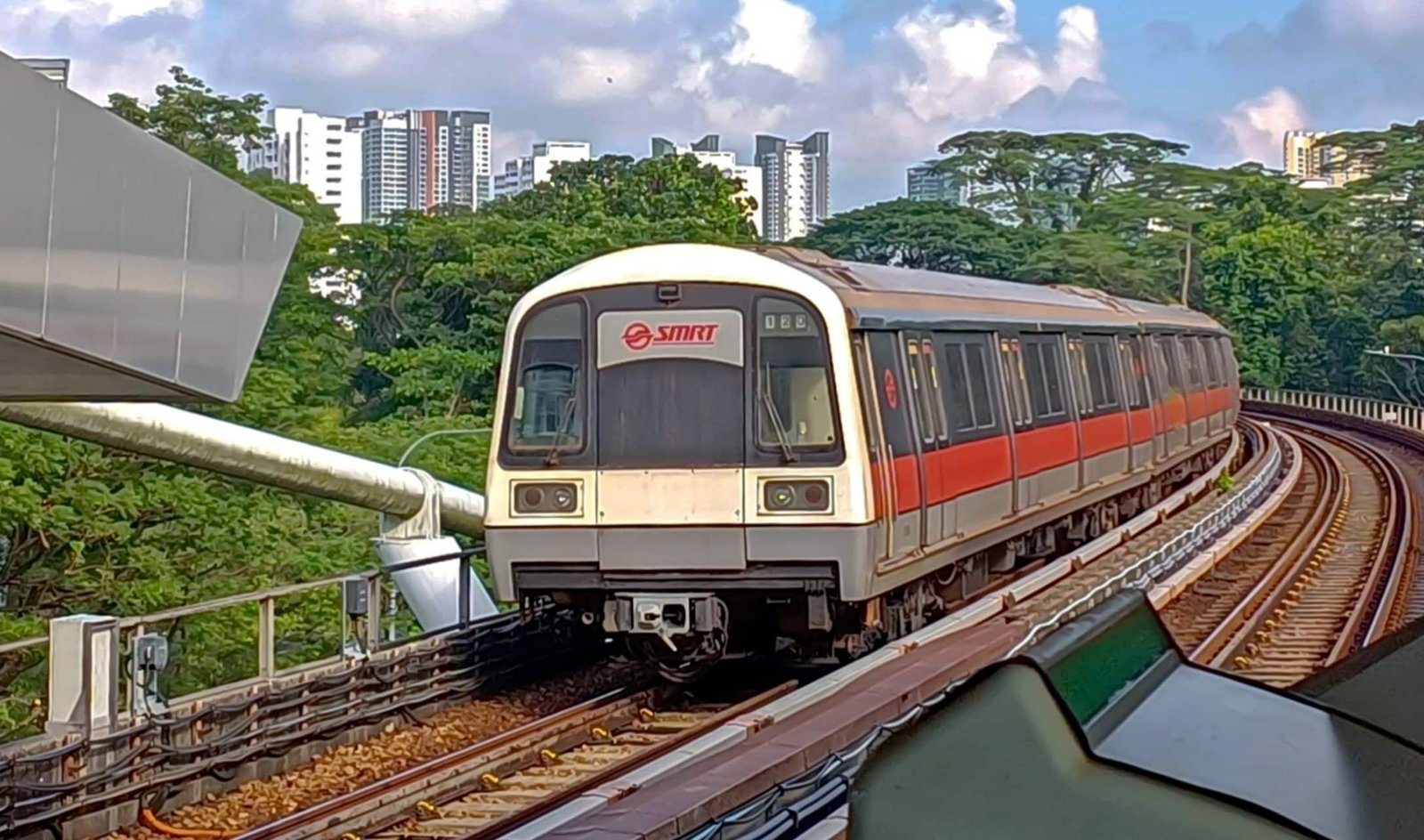
In terms of infrastructure modernity, Pengerang Industrial Hub stands out as a newly developed industrial park designed to meet contemporary industrial standards. Its facilities are built to support high industrial load requirements, with modern utilities, robust transport access, and systems capable of accommodating large-scale manufacturing and logistics operations. This contrasts with some mature industrial parks, where infrastructure was built decades earlier to serve different industrial needs. As a result, older parks often face higher upgrade and maintenance costs, and their ability to support expansion or heavier industrial usage may be constrained by legacy design limitations.
4. Land Cost & Price Trend
Looking at land cost and long-term price trends, Pengerang Industrial Hub currently benefits from its position as a growing industrial zone. Land pricing remains relatively competitive compared to more established industrial areas, while offering significant upside potential as RAPID-related activities mature and supporting port and infrastructure developments continue. This growth-stage positioning provides investors and occupiers with both cost efficiency at entry and exposure to future value appreciation. By comparison, mature industrial parks generally command higher land prices due to their established status, but their scope for further capital appreciation is often more limited, making them better suited to stability-focused rather than growth-oriented strategies.
Which Companies Benefit Most from Choosing Pengerang Industrial Hub?
1. Petrochemical Downstream Companies
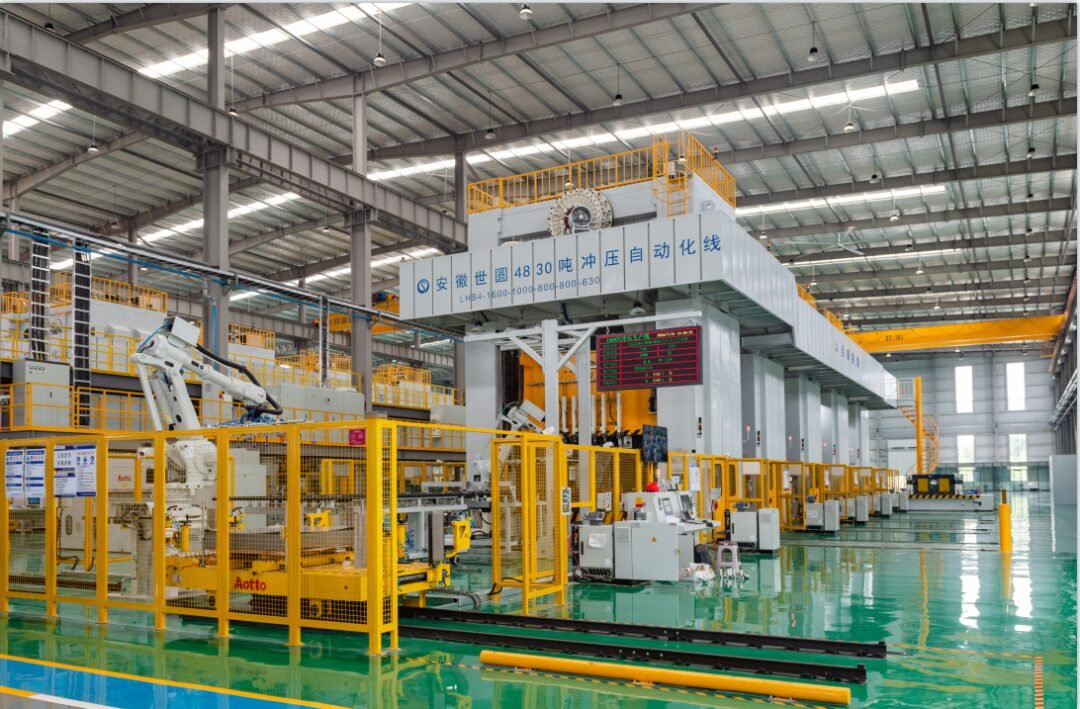
Petrochemical downstream companies that depend heavily on reliable feedstock supply, utilities, and close interaction. It depends with major petrochemical players stand to benefit significantly from locating in Pengerang Industrial Hub. Proximity to upstream facilities and integrated utilities allows these companies to shorten supply chains, reduce transportation requirements, and minimise exposure to logistical disruptions. Over the long term, this translates into greater operational stability, improved cost control, and lower overall supply chain risk—factors that are particularly critical for capital-intensive petrochemical operations.
2. Manufacturing & Logistics Firms Linked to Singapore
Pengerang Industrial Hub is also well suited for manufacturing and logistics firms with strong operational links to Singapore. Companies that rely on Singapore ports for regional or international trade can maintain access to this critical gateway while benefiting from comparatively lower operating and land costs in Johor. The location is especially attractive for businesses planning to establish Regional Distribution Centres (RDCs) serving Southeast Asia, as it allows efficient cross-border coordination without the cost structure associated with operating directly in Singapore. In addition, firms whose management teams or specialised talent need to move frequently between Malaysia and Singapore will find the geographic proximity advantageous for sustaining close operational oversight and collaboration.
3. Medium to Large Manufacturers Planning Long-Term Capacity Expansion
For medium to large manufacturers with long-term growth ambitions, Pengerang Industrial Hub offers a clear advantage through its scalable land plots and flexible planning framework. The availability of larger parcels and expansion-ready layouts supports multi-stage development strategies, enabling companies to align capital investment with demand growth over time. This reduces the likelihood of future relocation due to space constraints and allows manufacturers to execute long-term capacity expansion plans within a single, strategically positioned industrial ecosystem.
How to Make a Smart Investment Decision

1. Identify Your Core Needs First
Before committing to any industrial location, companies should begin by clearly defining their core operational priorities. This requires an honest assessment of whether proximity to the end market—particularly Singapore. Which—or closeness to feedstock and upstream supply from RAPID is more critical to the business model. Firms should also consider how important land scalability is for future expansion. Especially if production capacity is expected to grow in phases over time. In addition, the increasing adoption of automation, digitalisation, and Industry 4.0 solutions makes it essential to support long-term operational efficiency.
2. Evaluate Supply Chain Alignment
Once core needs are established, the next step is to assess how well a location aligns with the company’s supply chain structure. Pengerang Industrial Hub offers particular advantages for petrochemical and manufacturing-oriented supply chains. This is because due to its proximity to upstream facilities and its ecosystem-driven development strategy. This alignment can enhance coordination, reduce logistics complexity, and improve overall supply chain resilience. However, for companies operating in traditional light industries with minimal reliance on industrial clustering or upstream integration. Other locations may offer more attractive short-term cost efficiencies despite having less strategic depth.
3. Conduct On-Site Assessment and Cost Comparison
Finally, no investment decision should be made without thorough on-site assessment and detailed cost comparison. Investors should evaluate not only land prices and construction costs, but also logistics efficiency. Especially transit time and transportation costs to and from Singapore. Infrastructure capacity must be reviewed in utilities and transport systems can support current and future operational loads. In parallel, the level of support provided by developers and government agencies, such as facilitation, incentives, and administrative efficiency. It should be carefully considered. Only through a multi-dimensional and ground-level evaluation can companies arrive at an optimal risk-adjusted investment decision. This supports long-term business objectives.
Among Johor’s many industrial parks, the Pengerang Industrial Hub stands out with its unmatched proximity to RAPID. Its international connectivity to Singapore, advanced infrastructure, and long-term growth prospects. For companies prioritizing strategic location, future scalability, modern facilities, and supply chain efficiency. Pengerang Industrial Hub is unquestionably a high-potential candidate worthy of in-depth consideration.