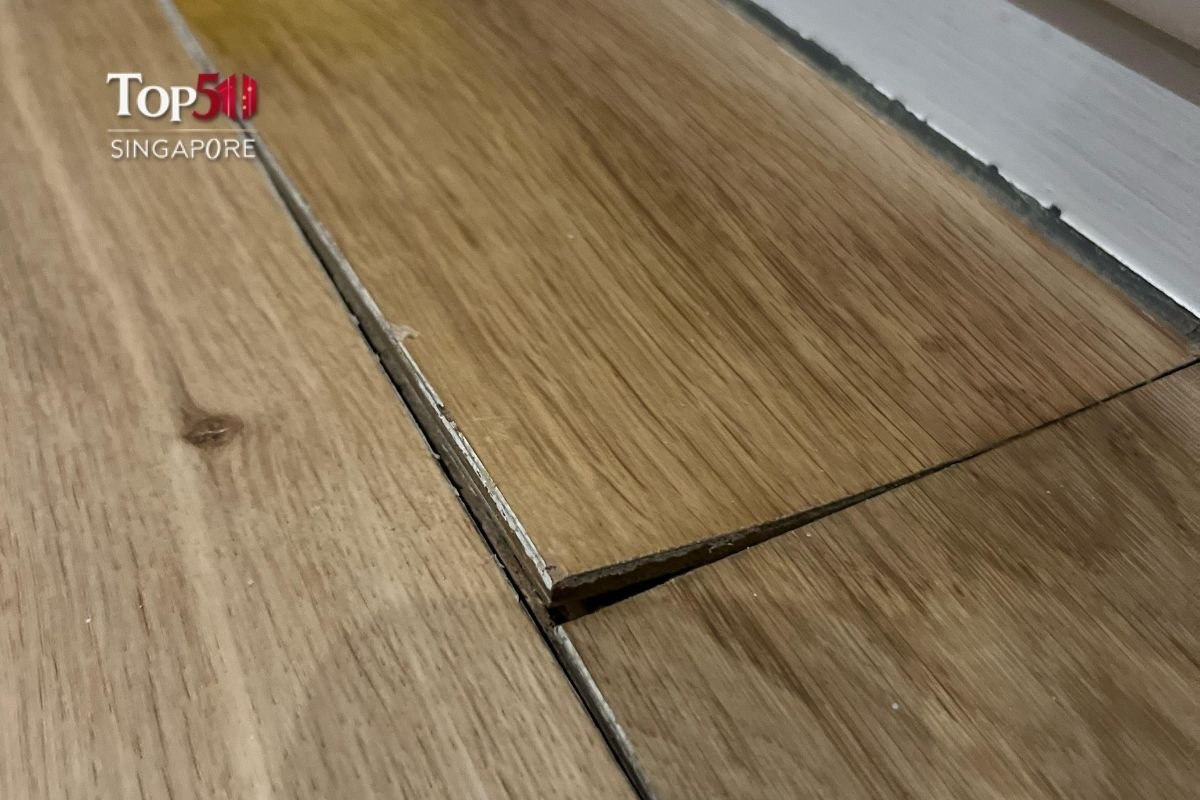
SPC flooring continues to dominate Malaysia’s home renovation landscape in 2026, largely due to its waterproof, heat-resistant, and low-maintenance nature. However, the increase in installations has also created more SPC flooring failure cases, particularly among homeowners who select budget renovation contractors. Lifting edges, cracking joints, hollow footsteps, and moisture warping are among the most reported problems. These issues highlight the importance of understanding SPC Flooring Tips 2026 — a comprehensive set of guidelines that ensure the flooring performs as intended for years.
Why SPC Flooring Leads 2026 Home Makeovers
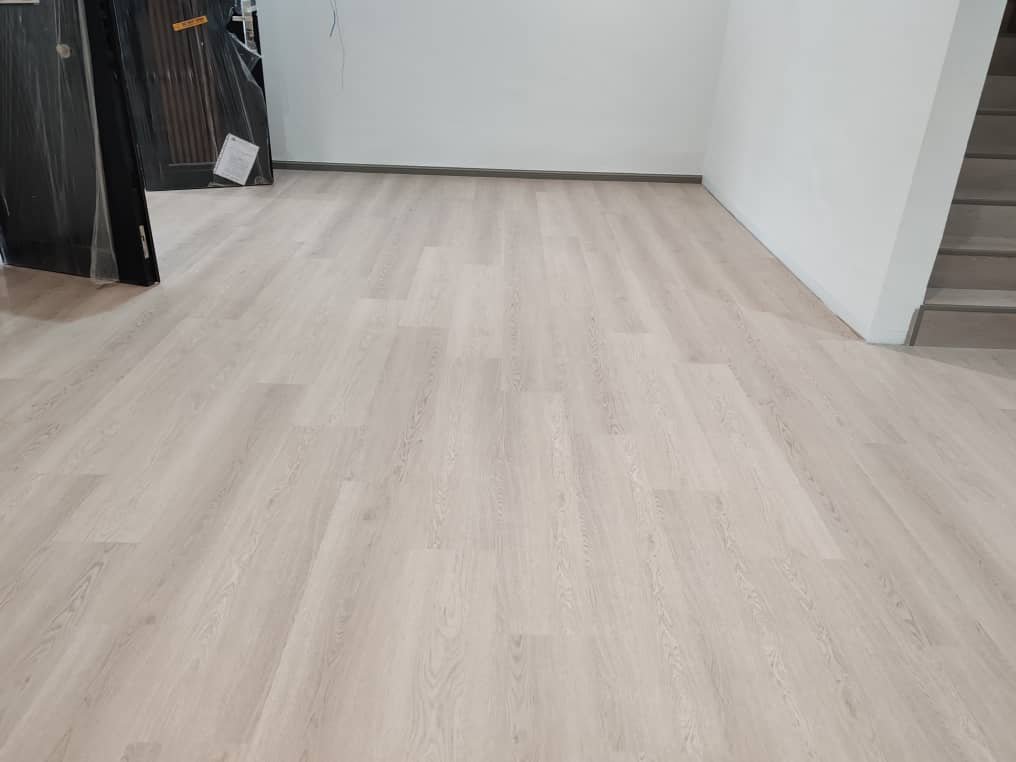
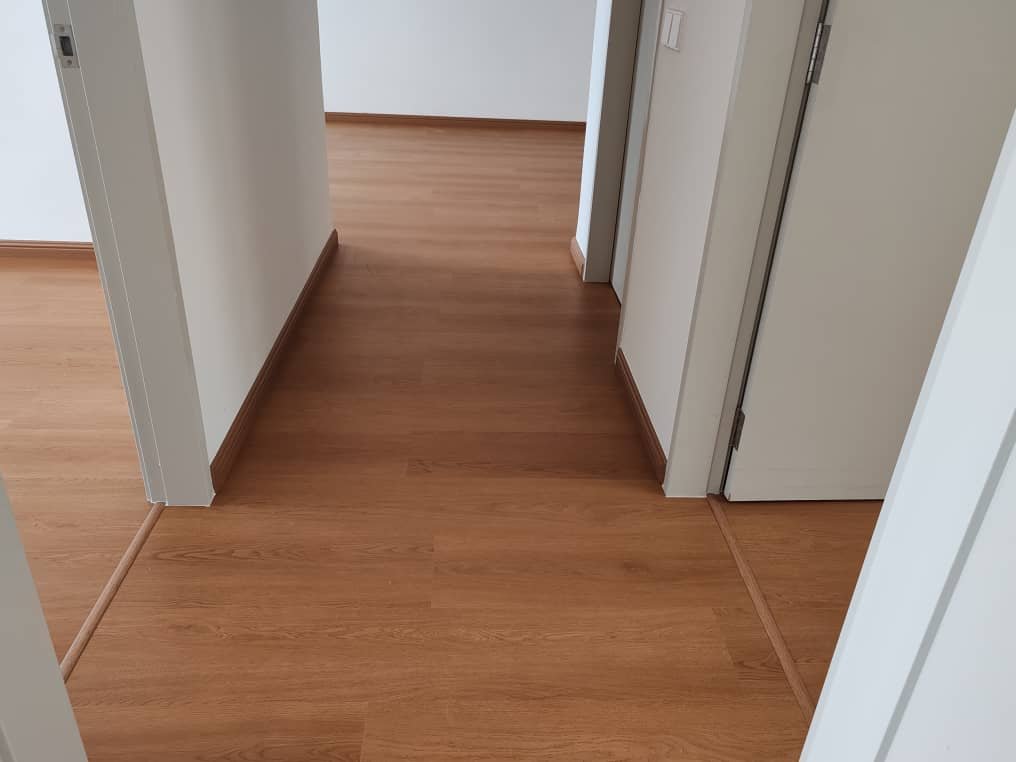
As lifestyles shift towards convenience and durability, SPC flooring has become the preferred alternative to wood. Wood flooring suffers from humidity, termite exposure, and temperature changes, while SPC flooring offers stronger core stability, waterproof surfaces, and significantly easier maintenance. Families with pets, toddlers, or high-traffic living rooms find SPC especially practical.
However, many homeowners mistakenly believe that SPC is “install and forget.” While the planks are designed for convenience, successful installation requires strict adherence to subfloor preparation, expansion allowance, moisture protection, and temperature control. These steps form the backbone of all SPC flooring tips and prevent most long-term issues.
SPC Flooring Installation Problems and Why They Occur
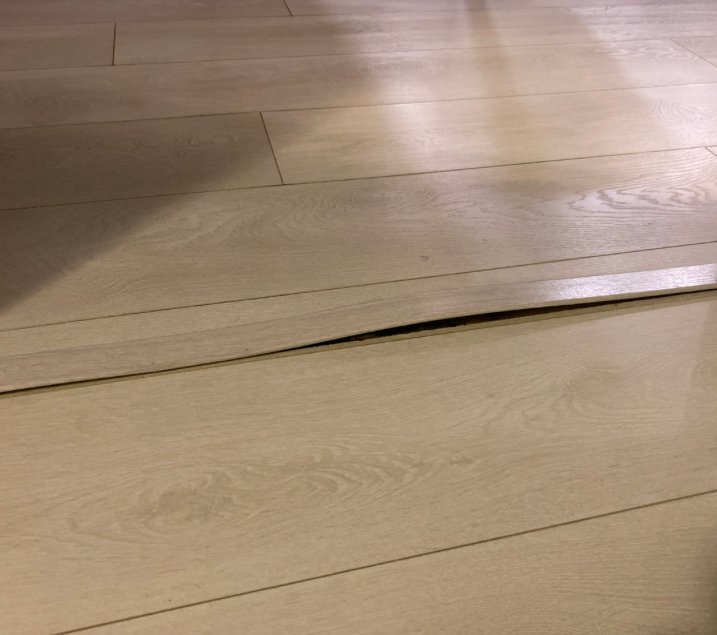
One common SPC flooring installation problem is lifting. This often happens when the subfloor is uneven or when there is no proper expansion gap at the perimeter. Without sufficient spacing, the boards push against the walls and begin to rise. Another lifting cause is moisture trapped under the planks, especially when no proper barrier is installed.
Cracking is another widespread issue. SPC flooring cracking causes include excessive force during installation, failure to acclimate the boards to room temperature, or uneven grounding that puts pressure on the click-lock joints. When the plank’s core is stressed repeatedly, hairline cracks eventually appear along the edges.
SPC Flooring Tips 2026: Mastering Subfloor Preparation
A professionally prepared subfloor is the difference between long-lasting flooring and an eventual disaster. Smoothness, dryness, and structural stability all affect how well SPC flooring performs. Inadequate leveling is one of the most common reasons why SPC flooring lifting happens months after renovation.
Experienced teams carry out SPC flooring subfloor treatment using specialized tools like leveling meters to detect dips or unevenness. Any hollow or cracked areas are repaired, and self-leveling compounds are applied where necessary. Only after ensuring a stable and flat surface should the installation begin.
QueensFloor SPC flooring installation is known for strict quality checks. Their installation guide includes ground moisture tests, crack repairs, ridge sanding, and underlay selection customized to the environment. These steps significantly reduce the risks of common SPC flooring installation problems.
SPC Flooring Tips 2026: Avoid Moisture, Cracking & Temperature Stress
Moisture control is the heart of successful SPC installation. Even if the flooring itself resists water, moisture from beneath can compromise its structural integrity. Moisture barriers act as insurance against unpredictable humidity and are strongly recommended for kitchens, living rooms, or ground-floor homes.
Temperature adaptation is equally important. SPC flooring should acclimate for at least a full day before installation. Sudden exposure to heat or cold creates tension, increasing the chances of cracking. Skilled installers follow this acclimatization step to prevent unnecessary stress on the planks.
Why Reliable Brands Matter in 2026
The increasing number of QueensFloor failure cases highlight an important truth: even high-quality flooring performs poorly when installed by inexperienced teams. Most of these cases involve homeowners who purchased original QueensFloor products but opted for cheaper installers.
QueensFloor team installers follow a standardized process that ensures long-term durability. This includes climate control, correct tapping angles, moisture barrier selection, and stable subfloor preparation. For homeowners seeking a long-term solution, combining a trustworthy brand with a trained installer is essential.
Official website : QueensFloor :Flooring Specialist in Malaysia
Address :No.2, Jalan PJS 5/26, PJS 5 Bandar Sunway, 46150 Petaling Jaya, Selangor, Malaysia.
Contact :+6012-908 1329