iRobot’s Bankruptcy Filing Signals Major Shift in Robotics Industry
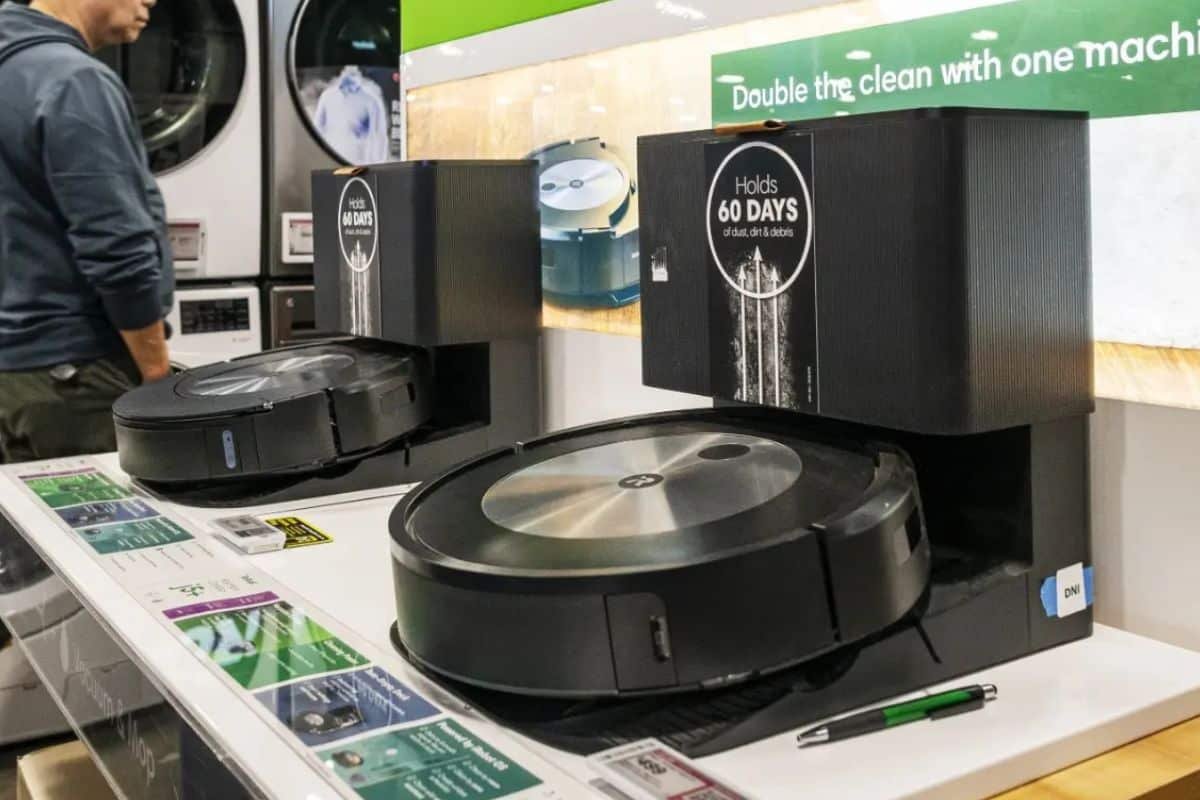
On December 15, 2025, iRobot bankruptcy proceedings formally began. iRobot Corporation, a Massachusetts-based company known for pioneering autonomous vacuum technology with its Roomba model, filed for Chapter 11 protection in Delaware. Founded in 1990 by engineers from the Massachusetts Institute of Technology, iRobot was once a key player in consumer robotics. In recent years, however, it faced mounting financial pressure. Global supply chain disruptions and intensifying post-Covid-19 competition contributed to its decline.
The iRobot bankruptcy filing highlights structural challenges in the robot vacuum cleaner market. It shows that engineering innovation alone can no longer offset pricing pressure, shifting trade dynamics, and prolonged financial strain. Even long-established brands now face these risks.
Sequence of Events Leading to Bankruptcy and Transition of Ownership
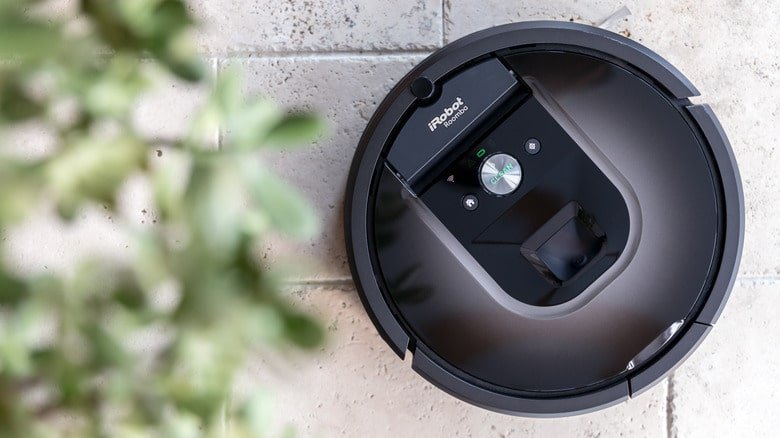
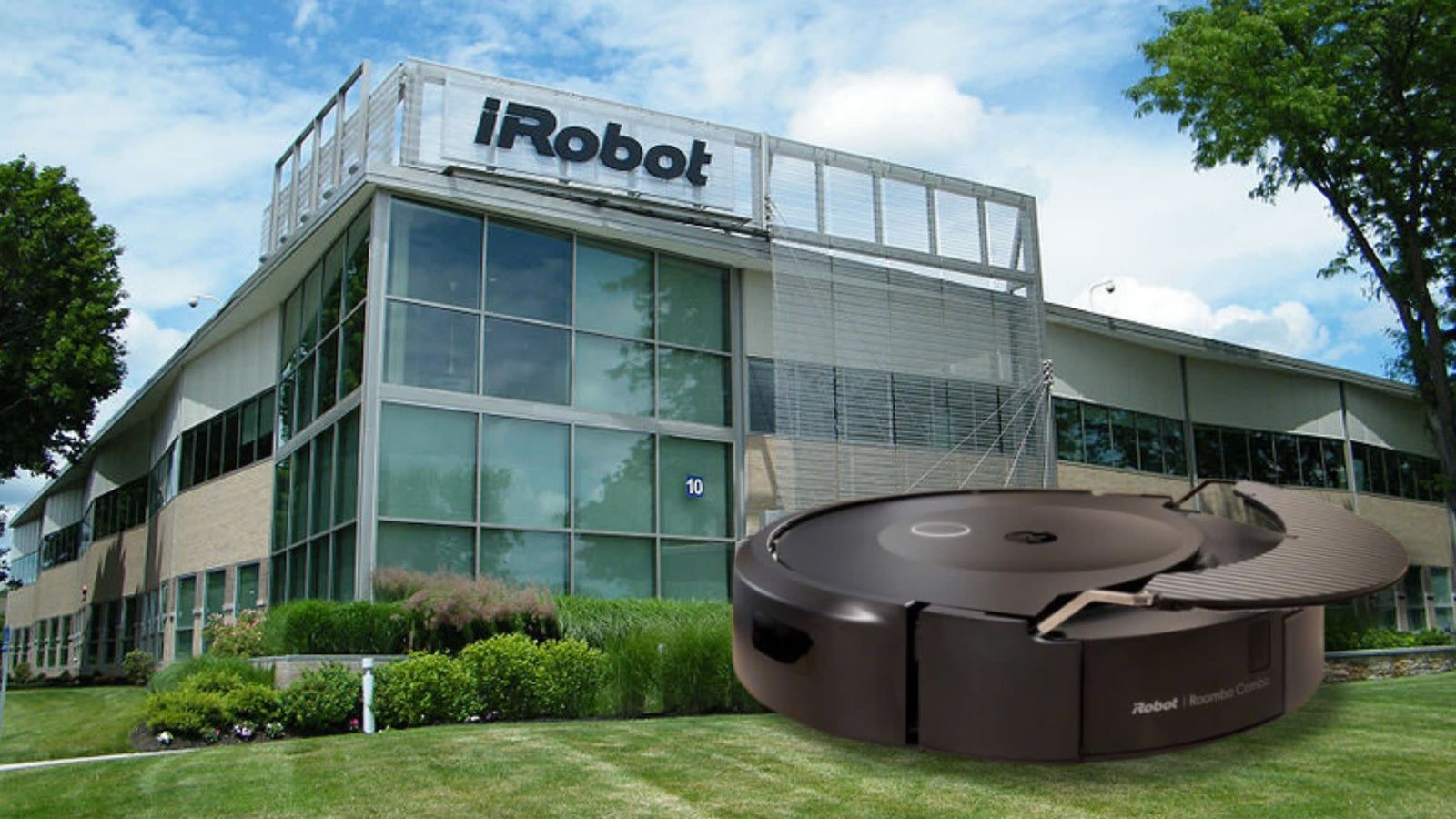
iRobot’s early commercial success followed the launch of the Roomba in 2002. The product quickly became synonymous with robotic vacuum cleaners. Adoption spread widely across global households, including Malaysia and nearby markets. Over time, earnings declined. Cheaper competitors and ongoing supply chain issues weakened performance. Earlier this month, iRobot warned of financial instability and potential bankruptcy risks.
In 2022, a proposed acquisition by Amazon.com raised expectations of recovery. European Union competition regulators later blocked the deal. This decision removed a key path to corporate consolidation. iRobot later received more than US$90 million in compensation. The company used part of the funds for advisory fees and partial repayment of a US$200 million bridge loan from Carlyle Group Inc.
Last month, Shenzhen PICEA Robotics Co., through its subsidiary Santrum Hong Kong Co., acquired iRobot’s US$191 million outstanding debt. Since then, both parties have discussed capital injection and debt restructuring. The bankruptcy plan filed on December 14 proposes wiping out common stock. iRobot would transition into a private company under new ownership. Despite restructuring, the company plans to continue operations and meet obligations to employees and vendors.
Official Statements Confirm Continuity and Legal Oversight in iRobot Bankruptcy Proceedings
According to iRobot’s official statement, the Chapter 11 filing aims to preserve the company as a going concern. Management stated that employee commitments and supplier payments will continue. The company reported assets and liabilities ranging between US$100 million and US$500 million. The bankruptcy process involved no accidents or emergencies.
Authorities and court administrators stressed compliance with legal procedures. They confirmed that restructuring remains under full judicial supervision. Shenzhen PICEA Robotics and its subsidiary entered the process through a negotiated financial arrangement. The agreement seeks to stabilise iRobot’s capital structure without disrupting daily operations. Financial reviews remain ongoing, and no misconduct has been reported.
Industry and Public Responses Reflect on Challenges in Consumer Robotics
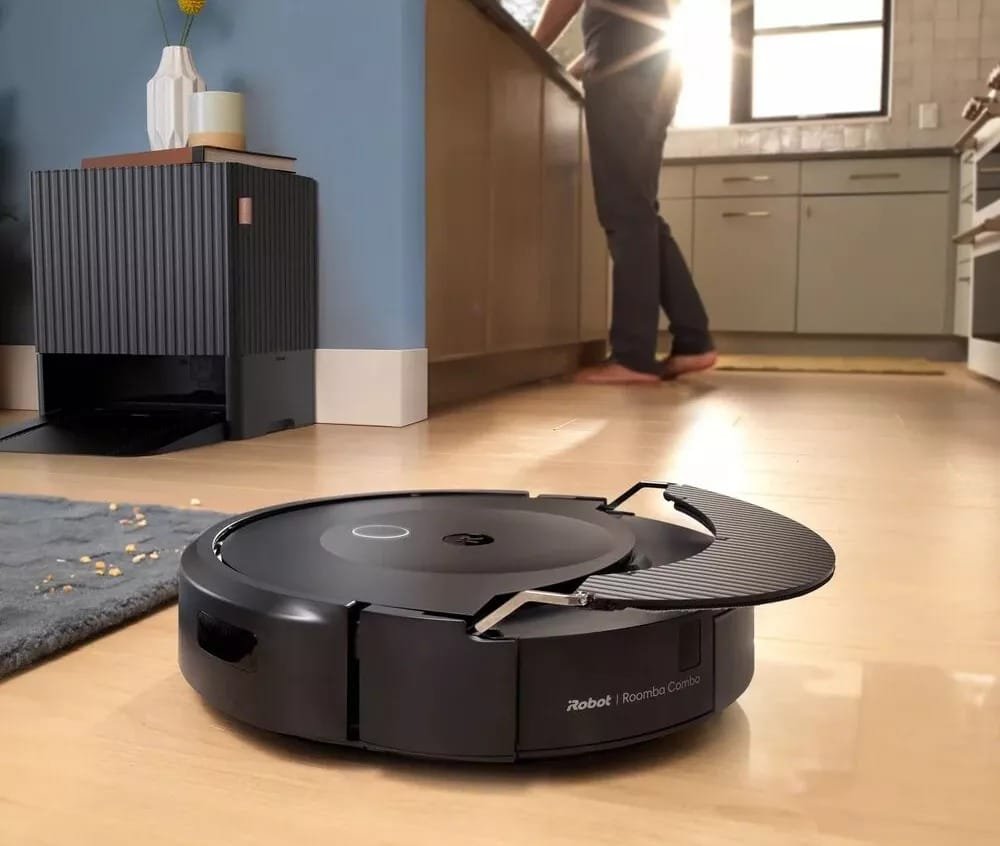
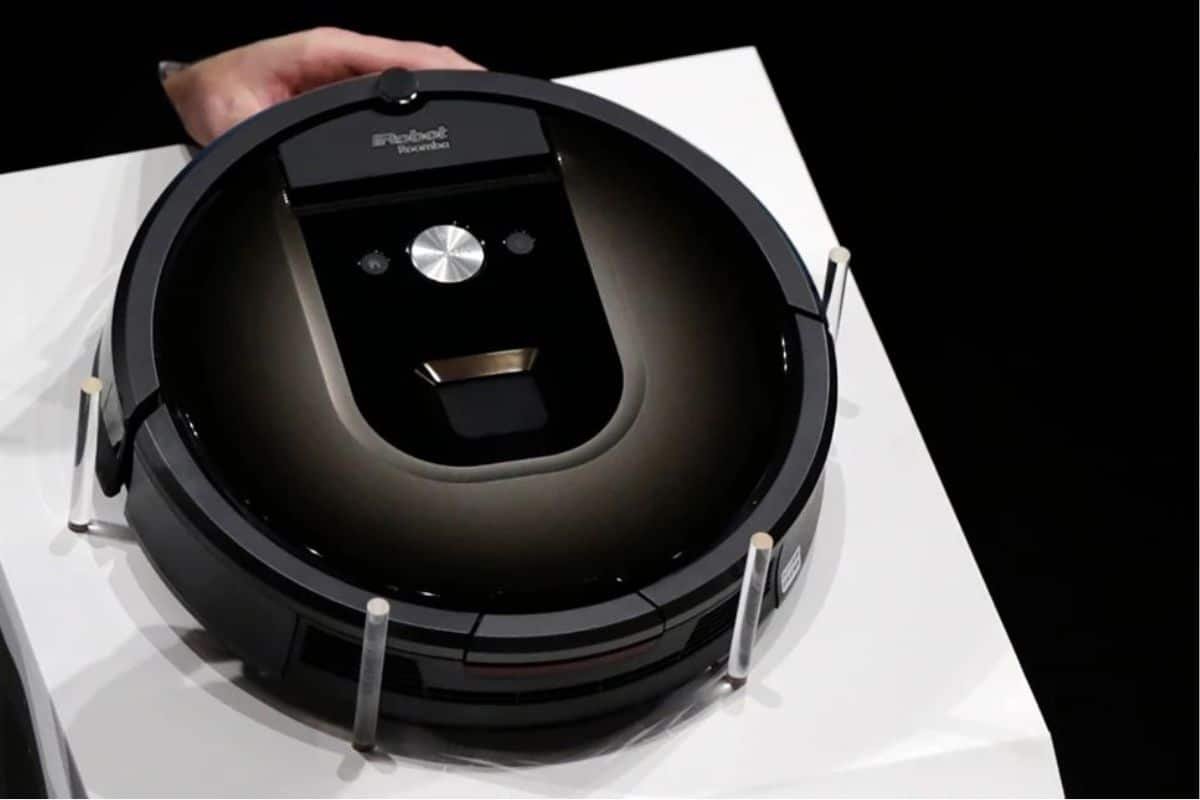
Industry observers and social media users described the iRobot bankruptcy as part of wider pressures on robotics manufacturers. Rising production costs and supply chain disruptions remain key concerns. Analysts also cited aggressive pricing from competitors, especially across Asia. In Malaysia, discussions included impacts on regions such as Seri Kembangan and Batu Caves.
Some commentators noted that strong branding no longer guarantees resilience. Slower adaptation to market changes reduced iRobot’s competitiveness. These views align with broader debates on consumer robotics. Affordability and reliability now play a central role in maintaining trust. The ownership shift may further integrate technology and manufacturing across borders, including markets like Selangor.
Implications of iRobot Bankruptcy on Market Dynamics and Innovation
In the short term, restructuring may affect supply chains and customer support. This could influence logistics networks serving Malaysia. However, the company’s continuity plan limits immediate disruption. Safety risks related to product use are not expected to rise. Court oversight also reduces the risk of operational lapses.
Over the longer term, the ownership transition may reshape engineering priorities. Safety standards and pricing strategies could evolve across the robot vacuum cleaner sector. Chinese investment may intensify competition and innovation. The iRobot case underscores the need for adaptable strategies and resilient supply chains. Industry consolidation and cross-border integration are likely to accelerate.
Location: Beijing
Date: 2025-12-15