Deep Dive into the Red Dot: Why Everyone is Watching Singapore Strategic Economic Sectors
Over the past several months, the conversation surrounding Singapore has changed. We’re no longer hearing about a strong currency or a “hustle culture.” By 2026, what will be most important is how effectively Singapore has executed its economic planning. While the rest of the world is trying to navigate through the next wave of change to business processes, Singapore has already established itself as a major player on the global scene and manufactures within its own parameters of how to create value in the market. This was primarily made possible by the introduction of Singapore’s Economic Transformation Plan (ETP). Means that outlines how they will achieve their vision of becoming a global leader, by growing high-quality businesses. Having access to the Singapore strategic economic sectors is like having a cheat sheet when examining the economy of the region. It reveals where money is being funneled, where jobs are being generated. Sheds light on how this small island nation continues to excel in every area that it competes in.
More Than Just Banks: The Financial Services Sector Singapore
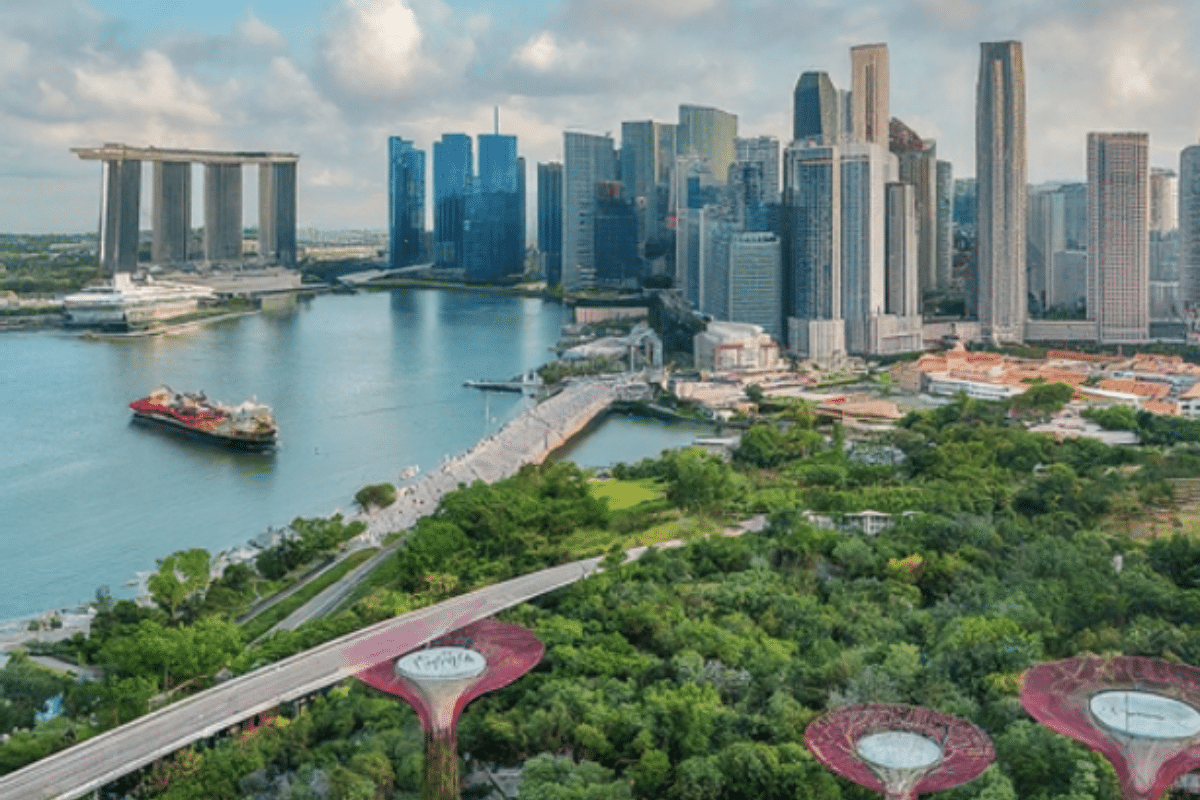
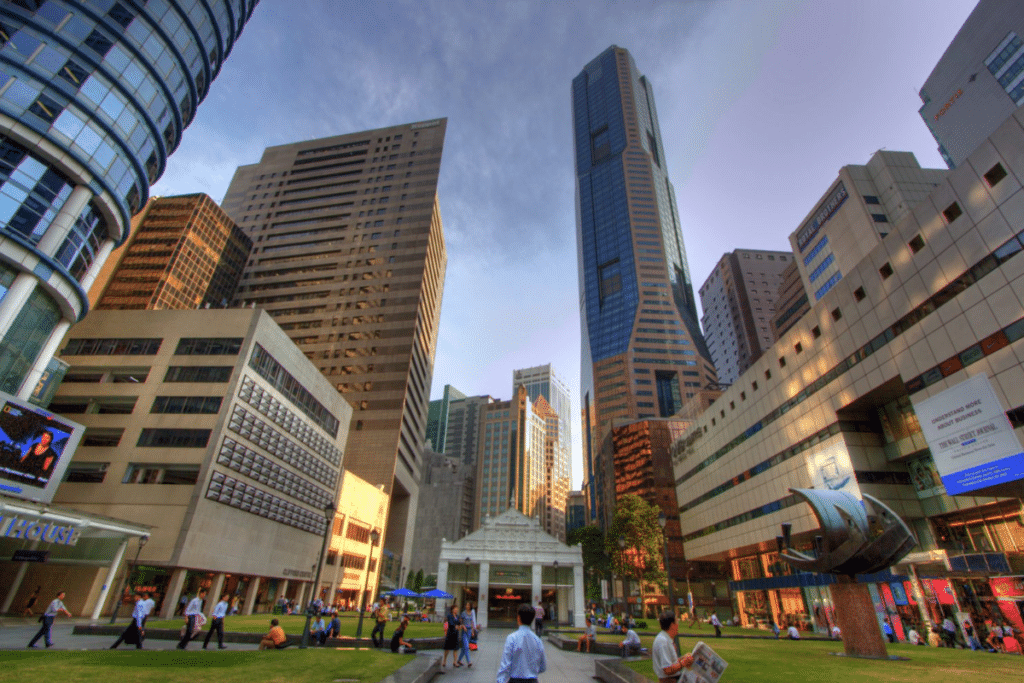
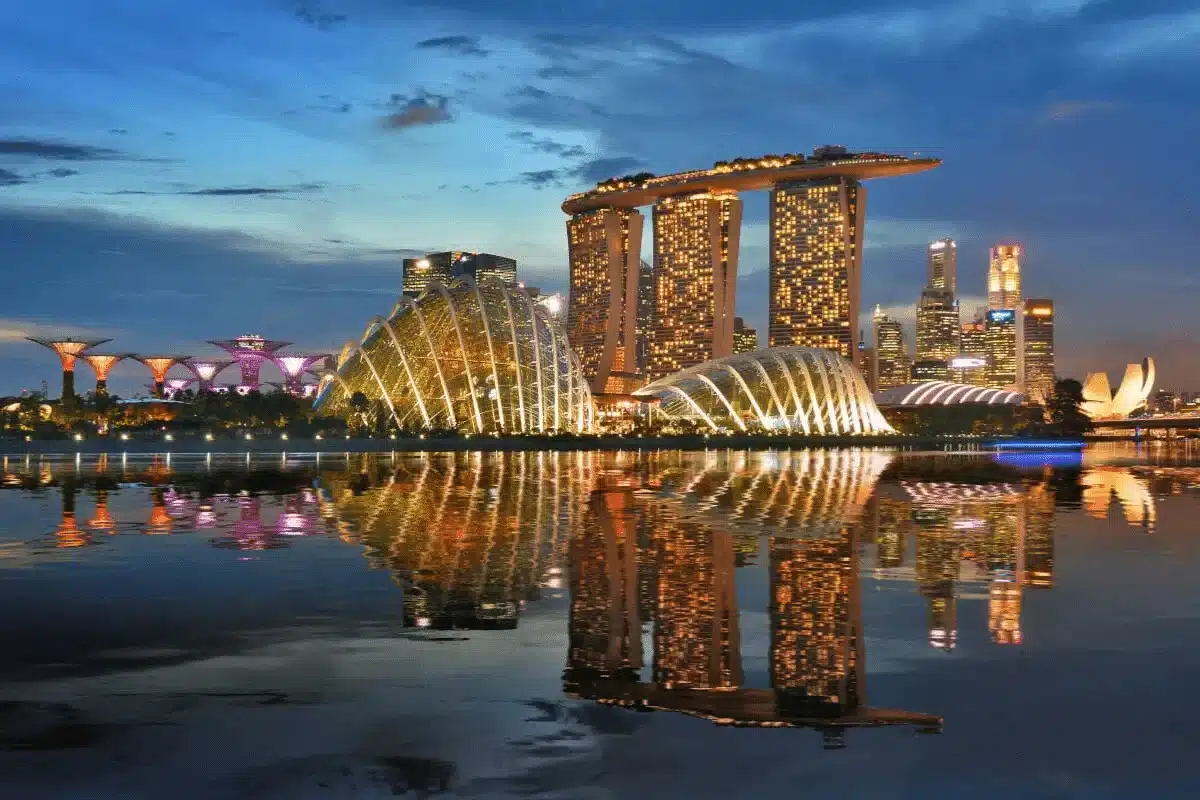
People typically think of Raffles Place and the tall buildings in the central business district when they think of Singapore. While the financial sector remains the foundation of Singapore’s economy as a strategic economic sector in the world, it has changed drastically since 2026. Unlike the financial services industry in Singapore previously, where retail banking and the processing of checks were the primary focus. Singapore is now viewed as the world’s leading hub for wealth management and family office operations. Numerous wealthy individuals have relocated to Singapore due to its strong regulatory framework. It is the result of an intentional strategy on the part of Singapore’s economy to transform from a regional banking centre to a global safe deposit box for wealth.
What does this mean for the current professional, the demand for skills has now changed from being able to sell a credit card to being proficient in ESG investing, digital assets and complex compliance structures within the industry. The financial services sector continues to be one of Singapore’s largest contributors to GDP by industry. The financial services sector’s stability is a significant contributor to maintaining the entire Singapore economy’s resilience when global markets experience increased volatility.
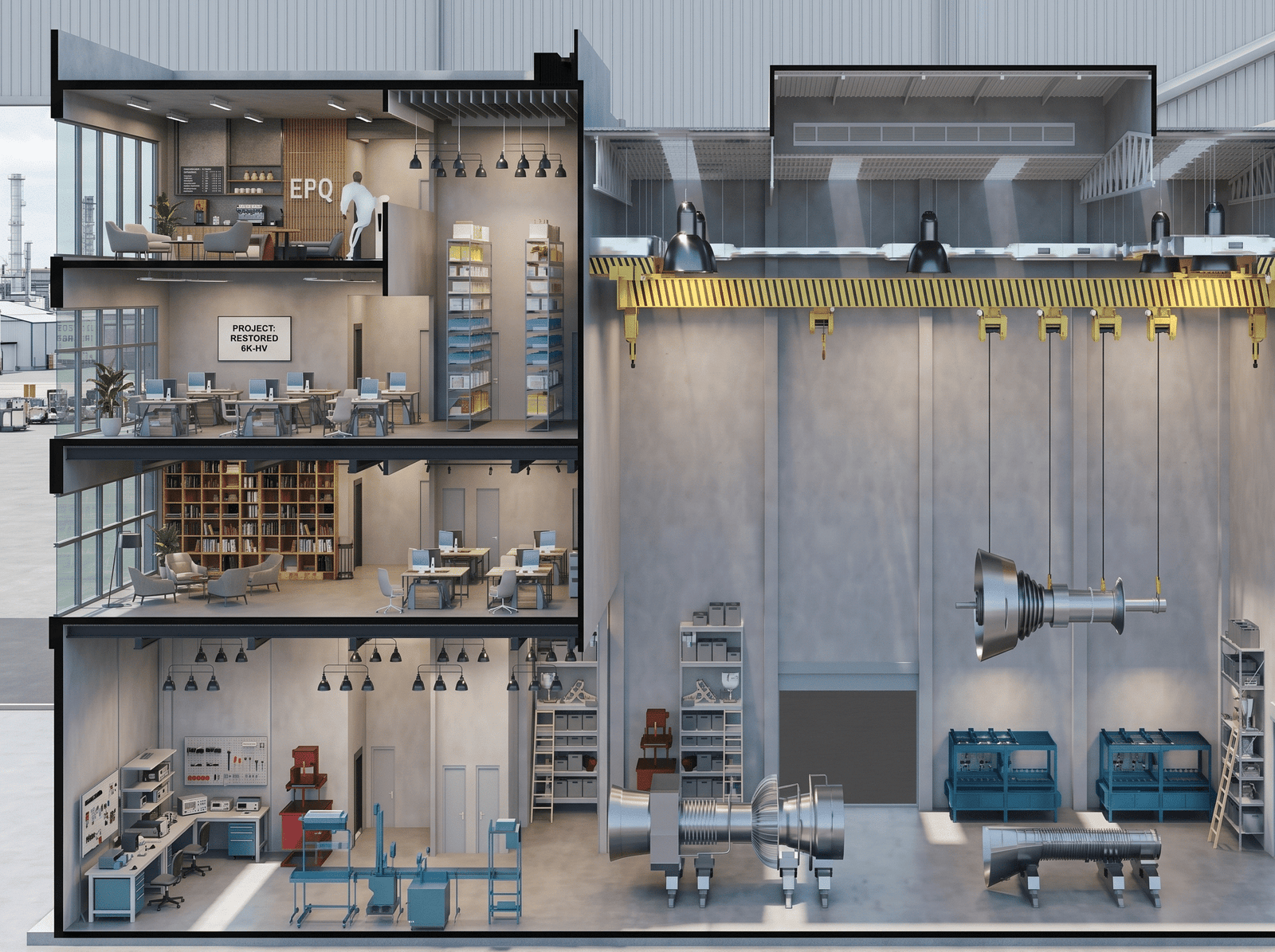
In high-priced locations, there is a common misconception that production is dead. Singapore is proof that this belief is not valid every single day. Approximately 20% of Singapore’s GDP comes from producing items. Singapore is not about inexpensive production. In actuality, it has an advanced fabricating sector concentrated primarily on creating products that demand extreme precision to manufacture. Such as traditional aerospace products and complex parts needed to fabricate quality electronic goods. It’s a “smart factory” where robots and other automated tools perform tasks, while subject matter experts (SMEs) compose the complex logic governing all of the operations in the factory.
Singapore’s industrial policies have consistently been clear. If it is possible to create a product cheaper, faster, and easier by using a greater number of workers in another location, Singapore is not interested. However, if a product is so complicated that it requires a cleanroom that costs billions to build and requires specialized knowledge to operate. Singapore wishes to be the global leader in producing that product. Therefore, many of the significant investments in engineering/technology are located in the Jurong Innovation District. Come with the intent of attracting top engineering talent from around the world.
Singapore Strategic Economic Sectors and the Digital Economy Strategy in Singapore
In 2026, saying you are a “tech company” is like saying you use electricity—it’s expected. However, the digital economy strategy Singapore has implemented goes much deeper than just having fast Wi-Fi. It’s about the integration of technology into every facet of life and business. This is where the smart nation strategy sectors come into play. Whether it’s autonomous buses in Punggol or AI-driven trade platforms, the digital economy is the “connective tissue” of the nation. For a country with no natural resources, data is the new oil. By positioning itself as a regional data hub and a testing ground for new tech, Singapore has ensured its place in the Singapore strategic economic sectors.
What’s interesting for job seekers and businesses is how the Singapore economic transformation roadmap has made tech skills universal. You could be in HR or Marketing. But if you don’t understand data analytics or how to leverage AI tools, you’re going to feel the gap. The city is essentially a giant living lab, and the digital economy is the engine that keeps it running 24/7.
Biomedical and Life Sciences Sector Singapore
The life sciences have grown tremendously in stature over recent years. However, the biopharmaceutical / life sciences industry was identified in Singapore. As being one of the key pillars for Singapore moving forward prior to any international discussions related to vaccines. Singapore’s Biopolis is considered home to some of the most advanced Research & Development facilities on the globe. And also a prime example of Singapore’s strategic industries. Which include, amongst others, personalized medicine and food technologies (for example lab-grown meat). These strategic Singaporean industries are doing a lot to address the key issues we face today. Such as aging populations, food security and chronic diseases.
Since the life sciences and biopharmaceuticals require substantial funds to be invested into starting these industries over periods of years, they also create a large amount of “stickiness” to the economy. Once any of the large pharmaceutical companies establish a billion-dollar manufacturing facility in Tuas Singapore, this manufacturer will remain in Singapore for a very long time. They also contribute significantly to the GDP contribution of the life sciences sector to Singapore. However, they continue to impact the lives of millions of people through both direct and indirect high paying jobs within the associated logistic, legal and specialized consulting sectors.
Logistics and Maritime Industry Singapore
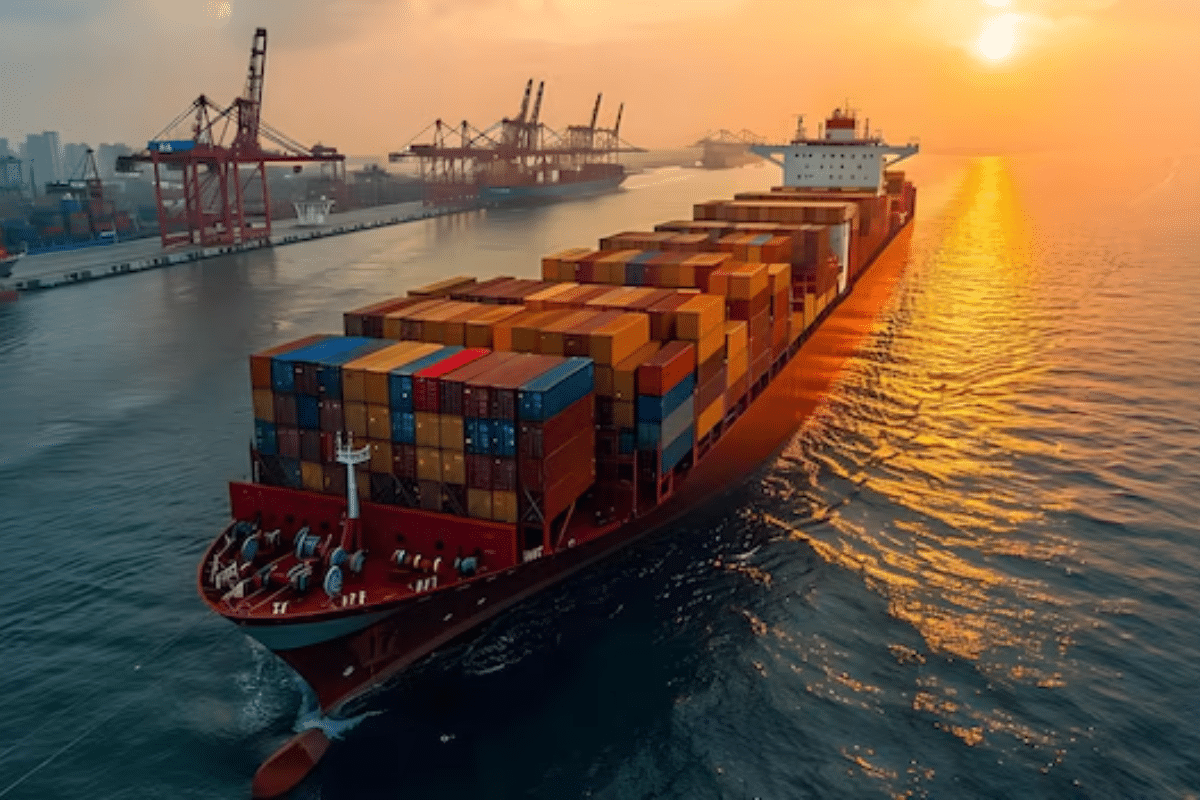
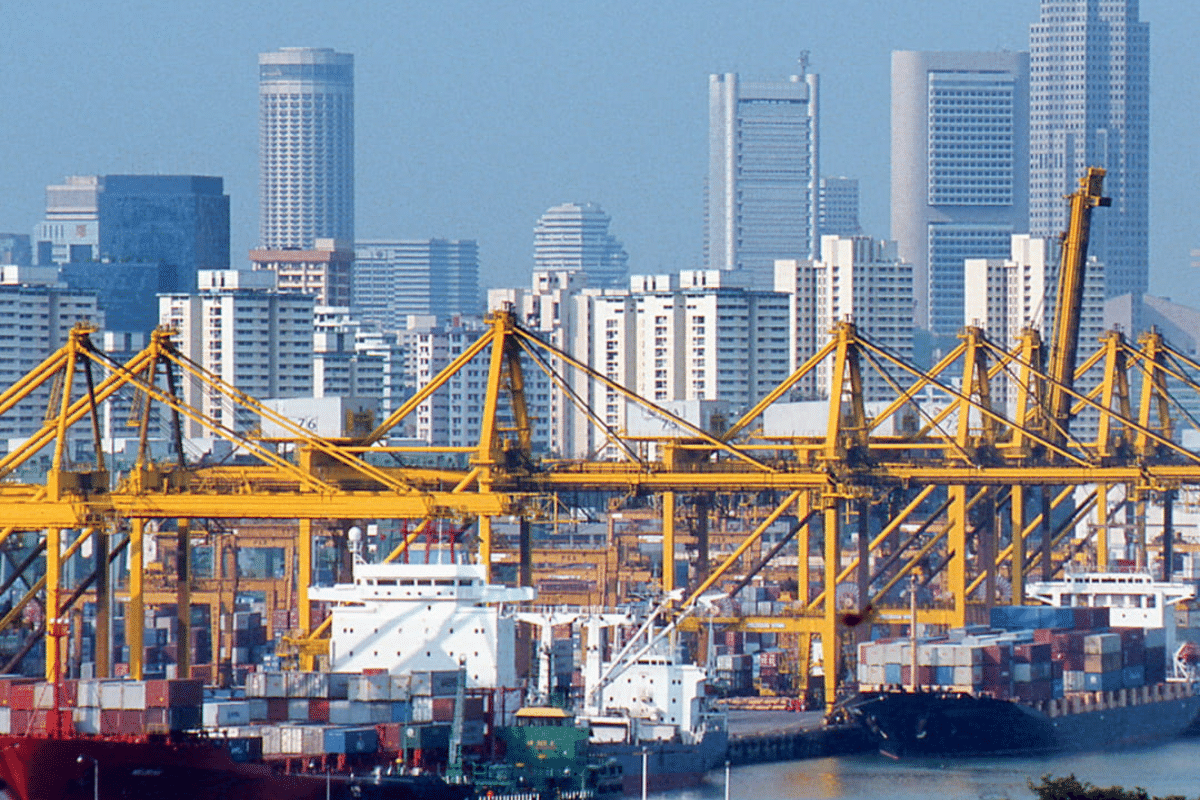
To finish this discussion on trade and sea location, you need to look at two more conditions of doing business in Singapore. Trade will be skewered by traffic conditions. As you can only undertake trade with those who are available at their location. Even in a virtual environment, product movement still occurs. The country of Singapore is one of the best countries to initiate that product shipment from Point A to Point B internationally. The logistics and maritime industries in Singapore have been evolving rapidly because of the impending completion of the Tuas Mega Port. In addition to facilitating large volumes of containerised trade between countries, technology used by the logistics and maritime environment is helping logistics and marine industries. It is better plan shipments by knowing when circuits will be interrupted before the captain knows a circuit has been disrupted.
This industry represents the foundation of all of Singapore’s critical economic sectors. Singapore will be a critical link to the global supply chain. Therefore, companies involved in any aspect of the logistics or maritime business will find the level of technology employed in the Singapore environment. It help to be the best level of technology available. As a result will provide excellent opportunities to learn about the future of global trade and to develop and create new concepts or ideas.