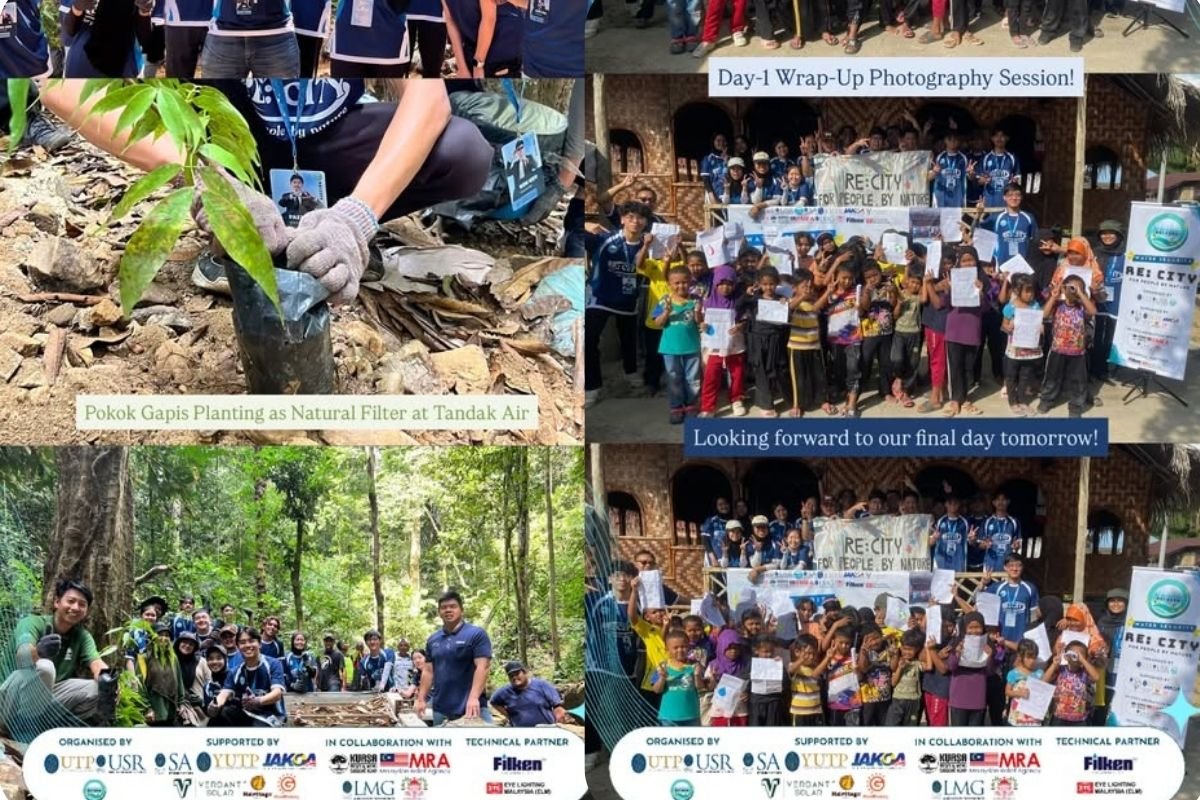
Many of us living in big cities like Kuala Lumpur or Penang have a very romantic idea about mountain water. We go for a hike, see a clear stream, and think it is the purest thing on earth. However, the truth is actually much scarier than we think. For the Orang Asli community in Kampung Kajang, Perak, relying on this “natural” water was not a choice but a dangerous necessity. Recently, the Filken CSR Event 2026 highlighted a major health warning for all Malaysians. If we do not address the quality of water in our rural areas, we are basically leaving our fellow citizens in a trap of waterborne diseases. Clear water does not always mean safe water, and that is a risk we can no longer afford to ignore.
Actually, the situation in many indigenous villages is quite critical. When it rains, the water source for these families turns into a muddy mess that looks more like teh tarik than drinking water. But even when it looks clear, it can be full of invisible threats like E-coli bacteria. The Filken CSR Event 2026 was not just a simple charity day out. It was a wake-up call for corporations and the public to realize that providing clean water is a matter of survival. Without proper intervention, these communities face constant health risks that affect their children’s growth and their daily ability to work. We need to stop thinking that nature alone provides clean water in our modern, developed world.
🔴 Quick Read
The Serious Health Risks Revealed by Kampung Kajang Water Quality Testing
Before the project started, the team did a very thorough Kampung Kajang Water Quality Testing to see what the villagers were actually drinking. The results were quite shocking because they showed high levels of contamination that you cannot see with your eyes. We are talking about bacteria from animal waste and organic pollutants that wash into the streams during the monsoon season. If these families continue to drink this without help, the risk of a major disease outbreak is always just one rainstorm away. This is why a Rural Safe Drinking Water Plan is so important for the safety of our rural population.
Furthermore, the data showed that the water was not just “a bit dirty” but was technically unsafe for human contact according to official standards. This kind of Water Resource Improvement for Malaysian Indigenous community is vital because it addresses the root cause of many local health issues. By identifying these specific risks, the project team could design a system that actually targets the dangerous stuff. It is a reminder that we cannot just guess when it comes to health. We need real science and real data to protect our people from the dangers of the environment.
| Water Contaminant | The Real Risk (Untreated) | Filken Solution (Treated) |
|---|---|---|
| E-coli Bacteria | Severe stomach infection and diarrhea | 100% Elimination |
| Turbidity (Mud) | Blocks pipes and carries parasites | 99.91% Reduction |
| Ammonium Nitrogen | Organic pollution and bad smell | 97.00% Removal |
| Total Suspended Solids | Silt and sand damage internal organs | 93.00% Removal |
| Iron Content | Metallic taste and skin irritation | 93.33% Reduction |
Why Simple Donations Often Fail in the Filken CSR Event 2026 Context
Many people think that giving a one-off donation or a few boxes of mineral water is enough to help. However, the Filken CSR Event 2026 proved that these short-term fixes actually create more problems. If you just give bottled water, the community still lacks a permanent source once the bottles run out. Moreover, you create a plastic waste problem in the middle of the jungle. The real risk here is the “hit and run” charity style where organizers leave before the system even starts working properly. This is why a University-Community Collaboration Water Project is much more effective because it involves long-term research and follow-ups.
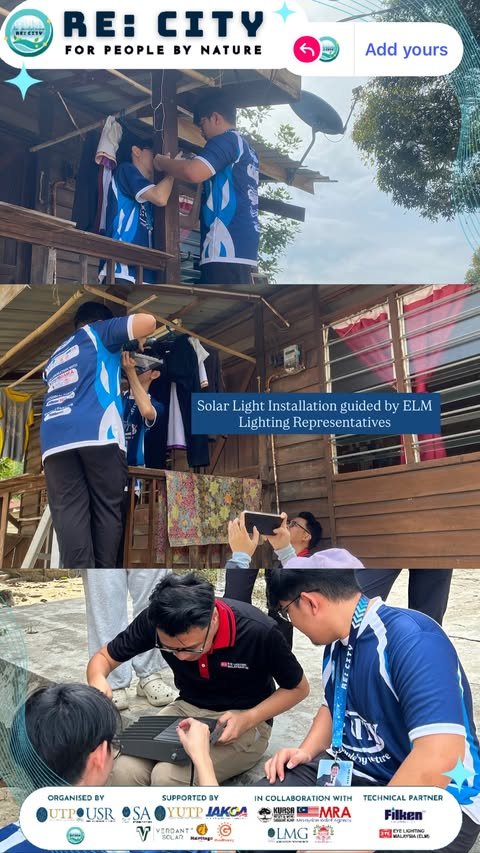
Actually, the team realized that the community needed a permanent Filken Community Water Filtration System that could handle the rough environment. Most standard filters would clog up in a week with mountain silt. Therefore, they used a Multi-stage Water Filtration System Demonstration to show how a gravity-fed system can work without electricity. This is a very important point because if the system is too complicated, it will just be abandoned when it breaks. The risk of failure is high when technology does not match the local reality, but this project made sure the villagers were part of the solution from day one.
The Danger of Knowledge Gaps in Rural Water Projects
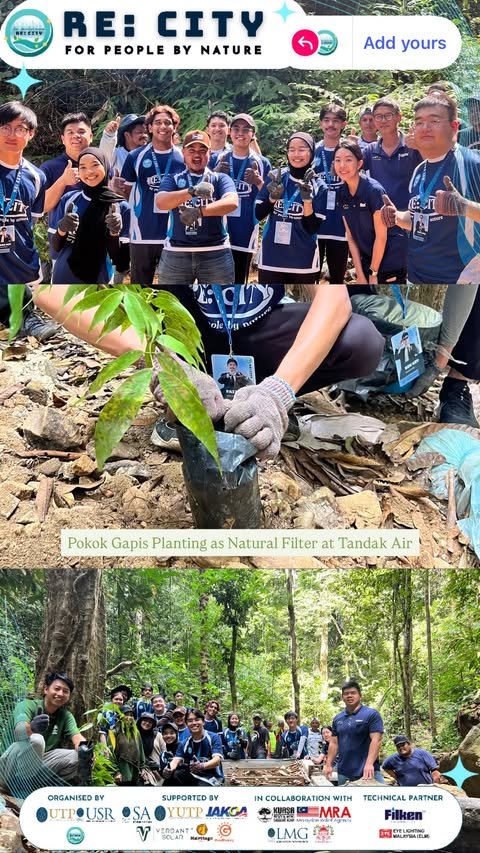
A very common risk in these kinds of projects is the lack of knowledge transfer. If the villagers do not know how to maintain the filters, the clean water will stop flowing very quickly. During the Filken Social Responsibility Activity, the engineers spent a lot of time teaching the locals how to perform a “backwash” to clean the filters. If we do not empower the community, we are just creating a dependency that will fail the moment the experts go back to KL or Johor Bahru. This Orang Asli Clean Water Project focused heavily on making sure the villagers felt like they owned the system.
The thing is, many rural water projects in the past have turned into “white elephants” because the technology was too advanced for the locals to handle. By simplifying the process and using a Multi-stage Water Filtration System Demonstration, the team ensured that even the younger generation in the village could manage the supply. This move towards Corporate Participation in Sustainable Development CSR is about making things last for twenty years, not just twenty days. When a community can fix their own water supply, they gain a level of independence that is much more valuable than any cash donation.
Professional Support is the Secret to Long Term Safety
Building a water system in the middle of a Perak forest is a massive challenge. You have to deal with weird water chemistry, changing weather, and very difficult terrain. In such cases, professional water filtration teams like Filken Malaysia usually play a more neutral, administrative, or supportive role. They provide the technical backbone that makes sure the Filken Outdoor Water Filtration Solutions actually stay standing during the heavy monsoon rains. Without professional oversight, a well-meaning project can quickly turn into a waste of resources.
The community now has access to a reliable water source that does not require expensive monthly bills or high-tech repairs. By installing a high-quality Filken Water Purifier system for the whole village, the project removed the daily fear of getting sick from a glass of water. Furthermore, the commitment to FILKEN After-sales Service 2026 ensures that the village is not left alone if a major technical issue happens. This level of support is exactly what is missing from many smaller charity efforts. It shows that when a brand is serious about social responsibility, they stay around to see the results.
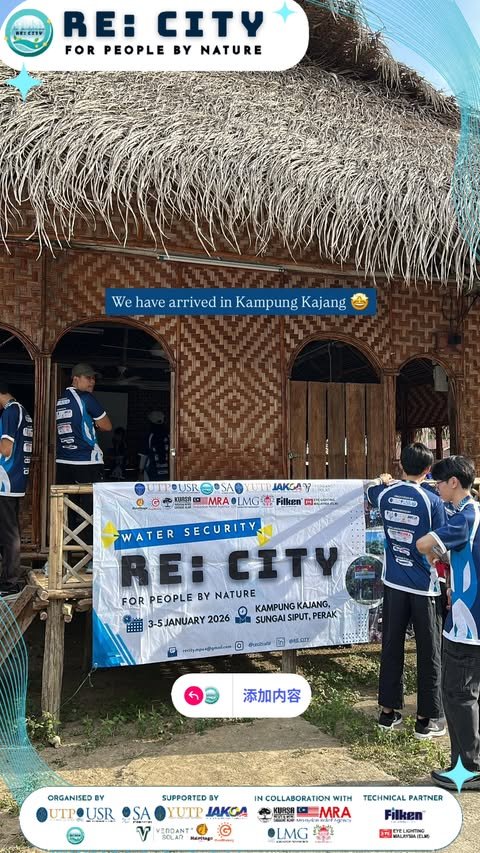
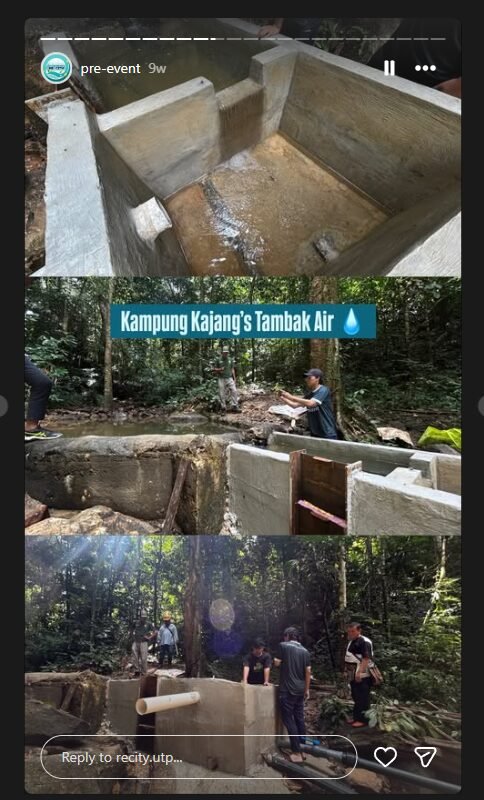
Final Warning on the Importance of the Filken CSR Event 2026
We cannot continue to treat our rural water crisis as someone else’s problem. The Filken CSR Event 2026 has shown us that the risks of inaction are far too high for our fellow Malaysians. If we do not invest in proper infrastructure and community education, we are essentially allowing preventable diseases to thrive. This project in Kampung Kajang is a perfect example of how science, corporate heart, and community willpower can come together to eliminate a major health risk. It serves as a blueprint for how we should handle water security across the entire country in the coming years.
At the end of the day, clean water is a basic human right that should not depend on where you live. The Filken Clean Water Program has successfully turned a dangerous situation into a safe and sustainable one. However, there are still many more villages that need this kind of help. We should use the success of the Filken CSR Event 2026 as a motivation to do more. Let us not wait for a health crisis to happen before we take action. Clean water is the foundation of a healthy nation, and it is time we made it a priority for every single Malaysian, from the tallest towers of KL to the deepest villages of Perak.
Official Website :filken.com
Address :6, Jln Ekoperniagaan 1/10, Taman Ekoperniagaan, 81100 Johor Bahru
Contact :
Whatsapp : 016-679 9461 (William)
Whatsapp : 010-933 9461 (Kaifun)