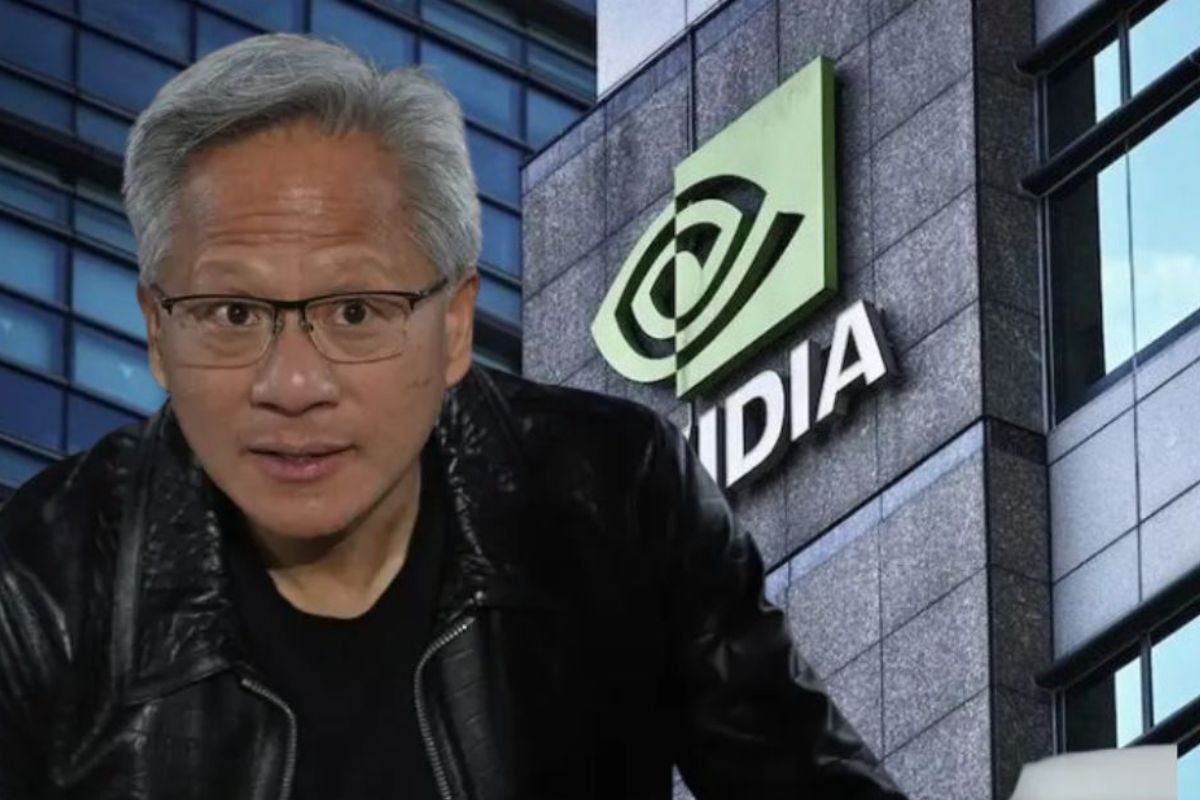
Nvidia announces major acquisition in AI chip sector amid rising interest in high-performance technology
In a significant development based in Washington, NVIDIA Groq AI has come into focus as Nvidia agreed to acquire the assets of Groq, a startup specialising in high-performance artificial intelligence accelerator chips. The deal is valued at approximately US$20 billion in cash. This transaction marks the largest deal recorded by Nvidia to date and highlights rising activity in the AI chip manufacturing industry.
The acquisition follows Groq’s recent US$750 million funding round, which valued the company at about US$6.9 billion. Institutional investors in that round included BlackRock, Samsung, and Cisco. The deal also unfolds within broader regional contexts such as Malaysia and Selangor. Interest in AI technology and semiconductor engineering continues to grow there alongside global industry trends.
NVIDIA Groq AI: Transaction Timeline and Key Players Reveal Rapid Negotiations
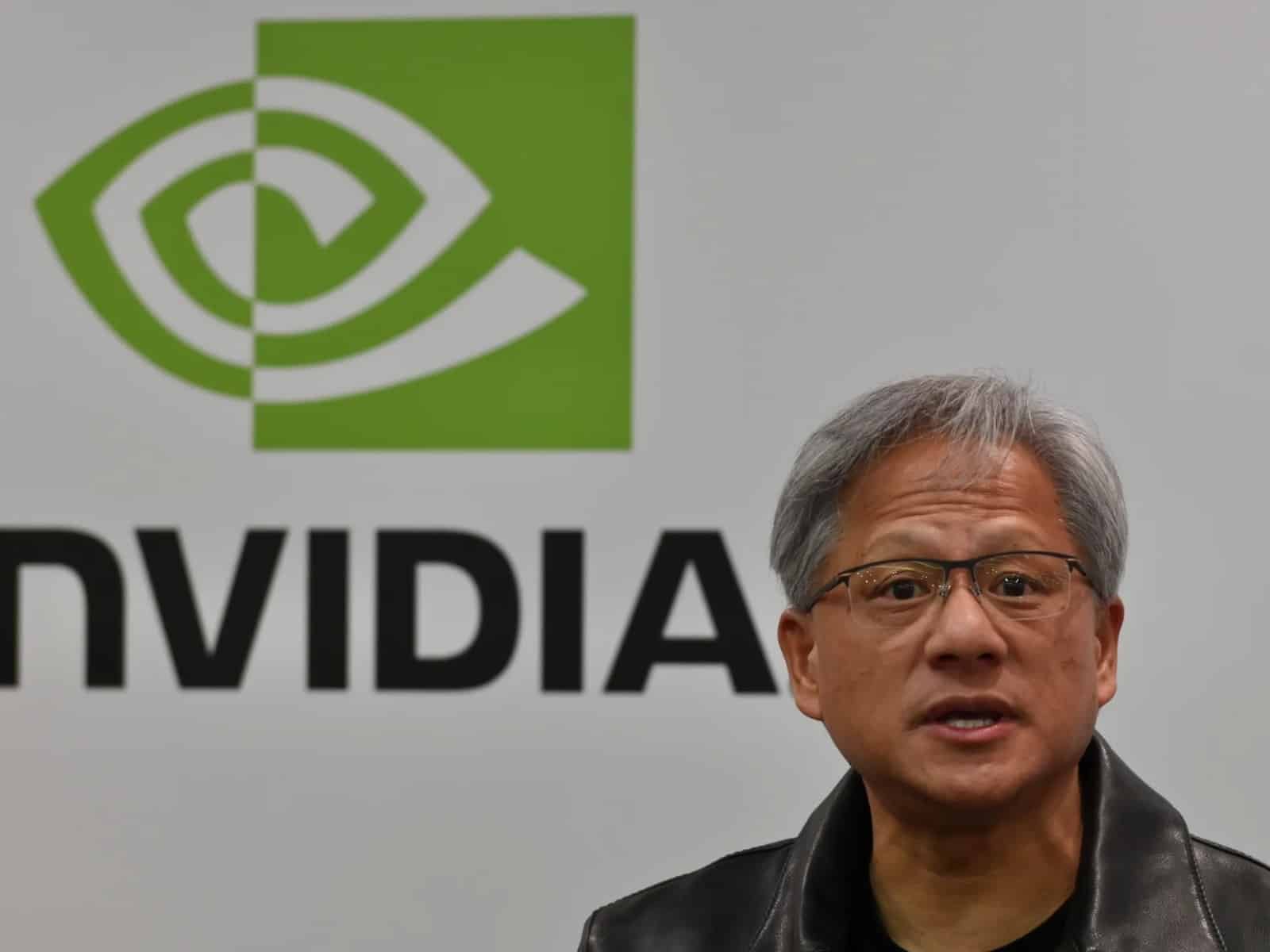
According to Alex Davis, CEO of Disruptive, the deal progressed rapidly from initial discussions to agreement. Disruptive has invested more than half a billion dollars in Groq since its establishment in 2016. Groq, founded by former Google engineers including CEO Jonathan Ross, was not actively pursuing a sale when Nvidia initiated talks.
Under the agreement, Groq’s president Sunny Madra, Ross, and other senior executives will join Nvidia. Their role is to develop and scale Groq’s inference technology under a non-exclusive licensing arrangement. GroqCloud, the company’s cloud computing business, is excluded from the transaction. It will continue operating independently under Simon Edwards, who will assume the role of CEO. This structure allows Groq to remain independent while collaborating with Nvidia on AI chip technology.
NVIDIA Groq AI: Official Statements Clarify Scope of Deal and Ongoing Operations
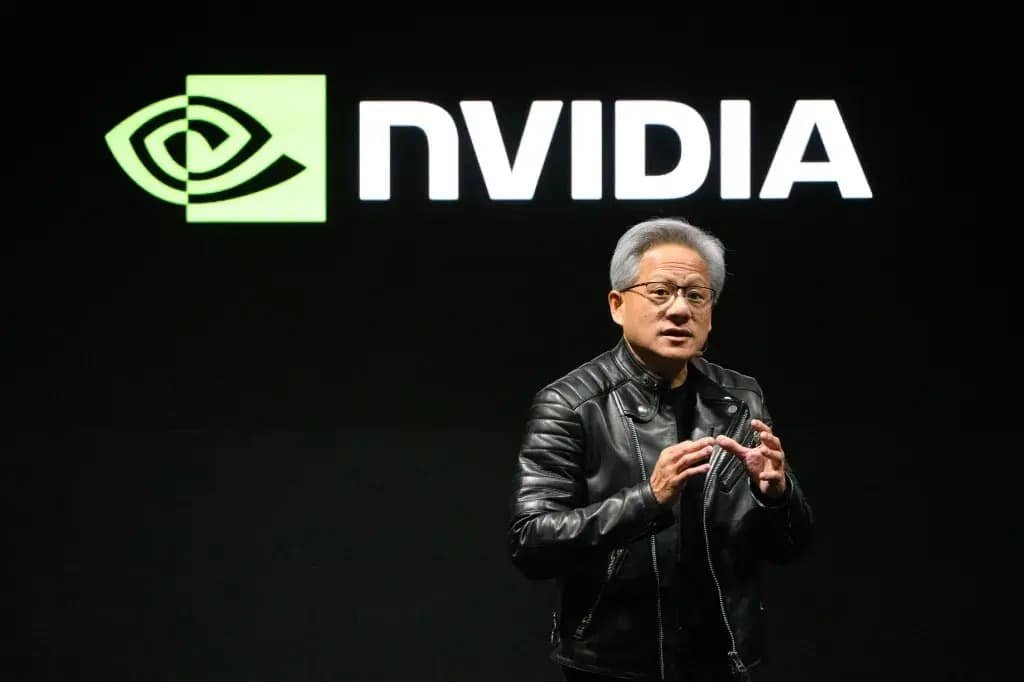
Nvidia’s Chief Financial Officer, Colette Kress, declined to comment on the transaction details. However, Davis told CNBC that Nvidia is acquiring all Groq assets except the cloud segment. Nvidia CEO Jensen Huang explained the deal in an internal email seen by media outlets. He said Nvidia plans to integrate Groq’s low-latency processors into its AI factory architecture.
Huang added that the move will expand Nvidia’s AI inference and real-time processing capabilities. He stressed that Nvidia is licensing Groq’s intellectual property and onboarding selected talent. Nvidia is not acquiring Groq as a full corporate entity. This approach aligns with Nvidia’s recent strategy, including its agreement with AI hardware startup Enfabrica. Other technology companies, such as Meta, Google, and Microsoft, have pursued similar licensing and talent-focused arrangements.
Industry and public reactions reflect cautious interest in AI chip market dynamics
The acquisition has drawn attention in industry discussions and public forums. Observers point to Nvidia’s growing financial capacity to invest in AI and semiconductor ventures. Nvidia’s cash reserves increased from US$13.3 billion early this year to US$60.6 billion by October. The figures signal strategic scaling aligned with global trends in advanced AI computing infrastructure.
The timing also coincides with increased investment in AI startups. Examples include Nvidia’s proposed US$100 billion commitment to OpenAI and a US$5 billion partnership with Intel. In Malaysia, areas such as Seri Kembangan and Batu Caves have seen gradual growth in tech enterprises focused on AI research. Analysts remain cautious about the direct impact of the acquisition. They emphasise continued efforts to secure engineering talent and improve computational safety standards.
Potential implications for semiconductor engineering and AI acceleration suggest evolving market trends
In the short term, the transaction is unlikely to affect traffic or physical safety conditions in Selangor or nearby areas. However, integrating Groq’s technology may accelerate AI inference solutions. These advances benefit sectors that rely on rapid processing, including large language model applications.
Over the longer term, Nvidia’s expanded portfolio could influence engineering standards and safety protocols. This influence may grow as companies adopt more AI-driven systems with increasing complexity. The deal reflects a broader trend of consolidating intellectual property and engineering talent through targeted acquisitions. At the same time, GroqCloud’s continued independence illustrates a hybrid model of collaboration and autonomy within the evolving AI infrastructure landscape.