Finding the right Industrial Factory for sale Johor is one of the most significant capital decisions a business owner will make. Yet most buyers go into the process asking the wrong questions — or not enough of them. Below are the questions experienced industrial operators ask before committing, along with the answers that can help you avoid costly mistakes.
🔴 Quick Read
Q1: Does the floor load bearing and clear height actually matter that much?
Yes — and this is where most buyers make their first mistake when evaluating an Industrial Factory for sale Johor. Many listings advertise a factory by total square footage or number of floors. What they do not prominently display are the two specifications that determine whether your actual operations can run there.
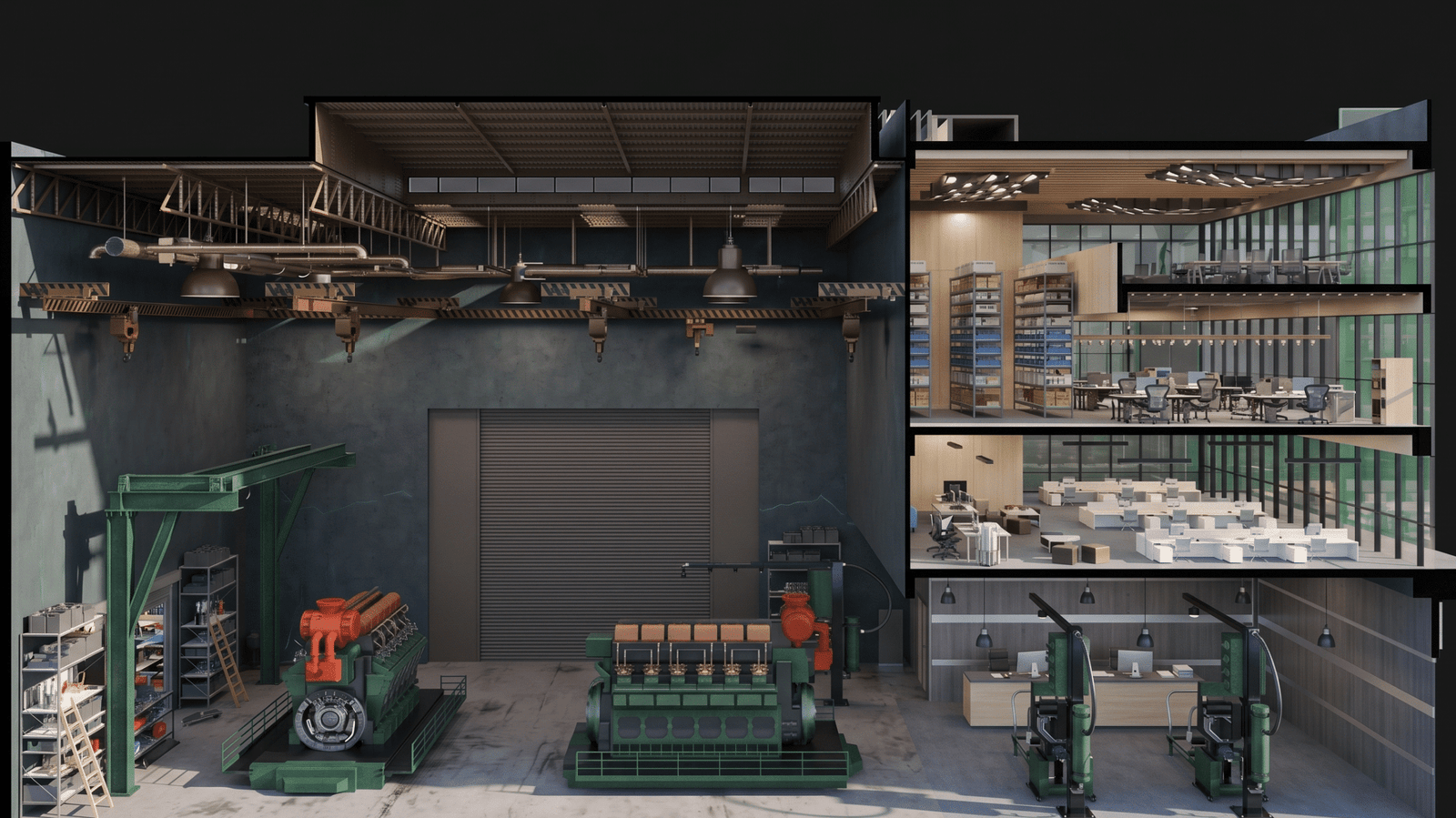
Floor load bearing tells you how much weight the ground floor can sustain per square metre. For heavy manufacturing or logistics involving forklifts, heavy machinery, and steel components, the minimum you should accept is 50 kN/m². Anything below that and you will either need to restrict operations or spend significantly on structural reinforcement.
Clear height determines whether you can install crane systems, automated racking, or multi-level conveyor infrastructure. For medium to heavy industrial use, aim for a minimum of 13 metres, with 15 metres being the benchmark for operations that require overhead lifting equipment.
These two figures together — not the floor area alone — define whether a factory works for your business.
Q2: How much does location actually affect my supply chain costs?
More than most buyers calculate upfront. A factory that is “in Johor” can still add significant cost to your supply chain depending on how far it sits from ports, highways, and the Singapore border.
Here is what to calculate before you commit:
- Distance to deep-water ports: Every additional kilometre of heavy haulage for oversized cargo or machinery adds cost. Access to a deep-water MOLF terminal within 8–20 km is a meaningful operational advantage.
- Distance to Johor Bahru and Johor Port: Your domestic distribution network feeds through these nodes. Proximity reduces transit time and fuel costs.
- Access to Singapore: Cross-border supply chain integration is a core business advantage in southern Johor. The closer you are to the Singapore port network — ideally within 130 km via sea — the faster and cheaper your international logistics become.
- Proximity to energy and petrochemical supply: If your industry depends on feedstock from downstream processing zones, being near PETRONAS RAPID or similar facilities is a direct input cost advantage.
Map these distances against your operational model before selecting a site, not after.

Q3: What government incentives are available, and when do I need to apply?
Several layers of incentives exist for industrial operators in Johor, administered through different agencies:
MIDA (Malaysian Investment Development Authority):
Pioneer Status, Investment Tax Allowance, and Reinvestment Allowance are available to manufacturing companies, high-technology enterprises, strategic industries, and SMEs. These also cover R&D activities, regional distribution, and operational headquarters setup.
PIPC (Pengerang Integrated Petroleum Complex) Special Package:
For industrial park developers and manufacturers of downstream specialty chemicals — including base chemicals (methanol, ethylene, propylene, benzene, aromatics), organic intermediates (C1–C6), specialty chemicals, fertilisers, polymers/plastics, and oleochemicals/biochemicals — a special tax rate applies to capital investments of RM500 million and above (excluding land), alongside import duty and stamp duty exemptions.
JS-SEZ Incentive Package (2025–2034):
Under the Johor-Singapore Special Economic Zone, qualifying companies can access preferential tax treatment, a 40% stamp duty reduction on eligible commercial property transactions, Accelerated Capital Allowance (ACA) for factory renovation, green upgrades, and utility installations, and fast-track approval via IMFC-J.
Critical timing rule: Most incentives require you to submit your application before the first sales invoice is issued. Apply after commencing operations and you forfeit eligibility. Engage IMFC-J as your one-stop facilitation point early in the process.
Q4: What factory types are available at Pengerang Industrial Hub, and which suits my business?
| Factory Type | Floor Load Bearing | Clear Height | Best Suited For |
|---|---|---|---|
| Detached Factory | 50 kN/m² | 15 metres | Heavy manufacturing, large-scale operations |
| Semi-Detached Factory | 50 kN/m² | 15 metres | Medium manufacturing, logistics, high-value industries |
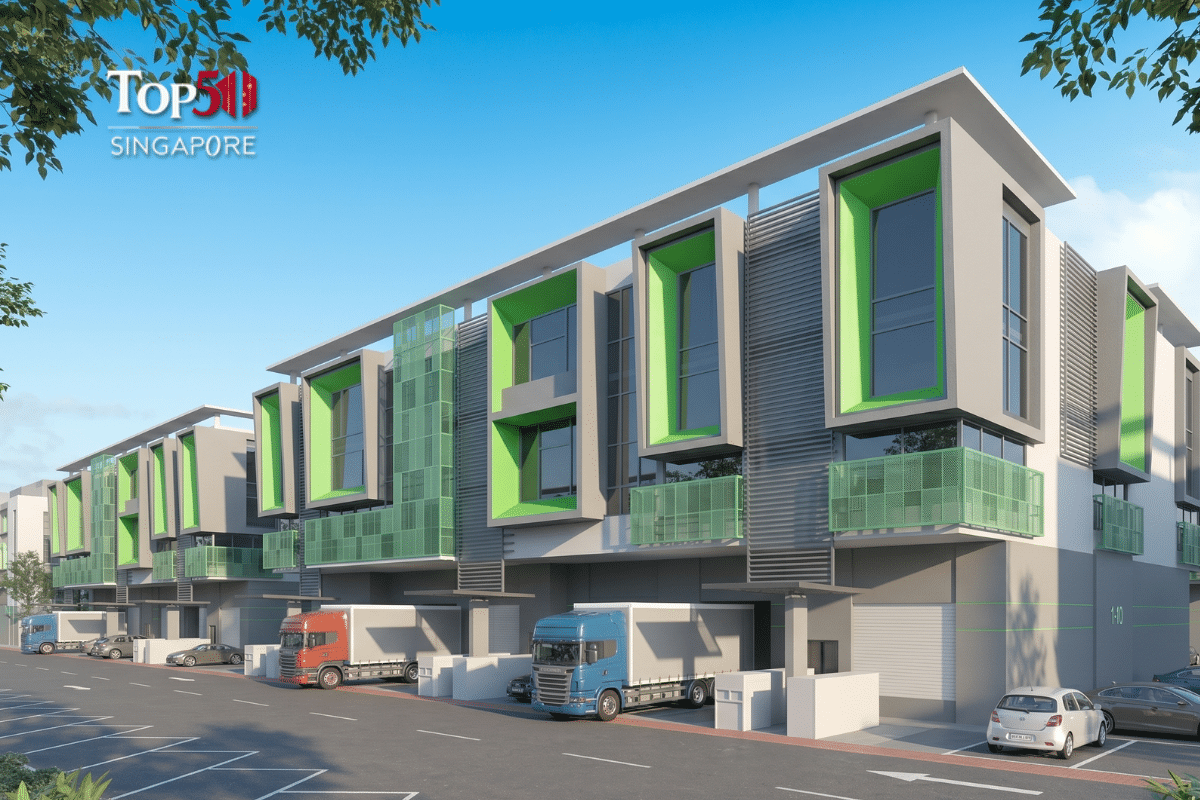
| Terrace Factory | 50 kN/m² | 13 metres | SMEs, light manufacturing, assembly, rental income |
Each terrace factory unit comes with three individual strata titles, allowing buyers to purchase by floor or acquire the full unit. Upper floors are suitable for light manufacturing, office use, or rental income generation.
Q5: How does Pengerang Industrial Hub (PIH) address all of this?
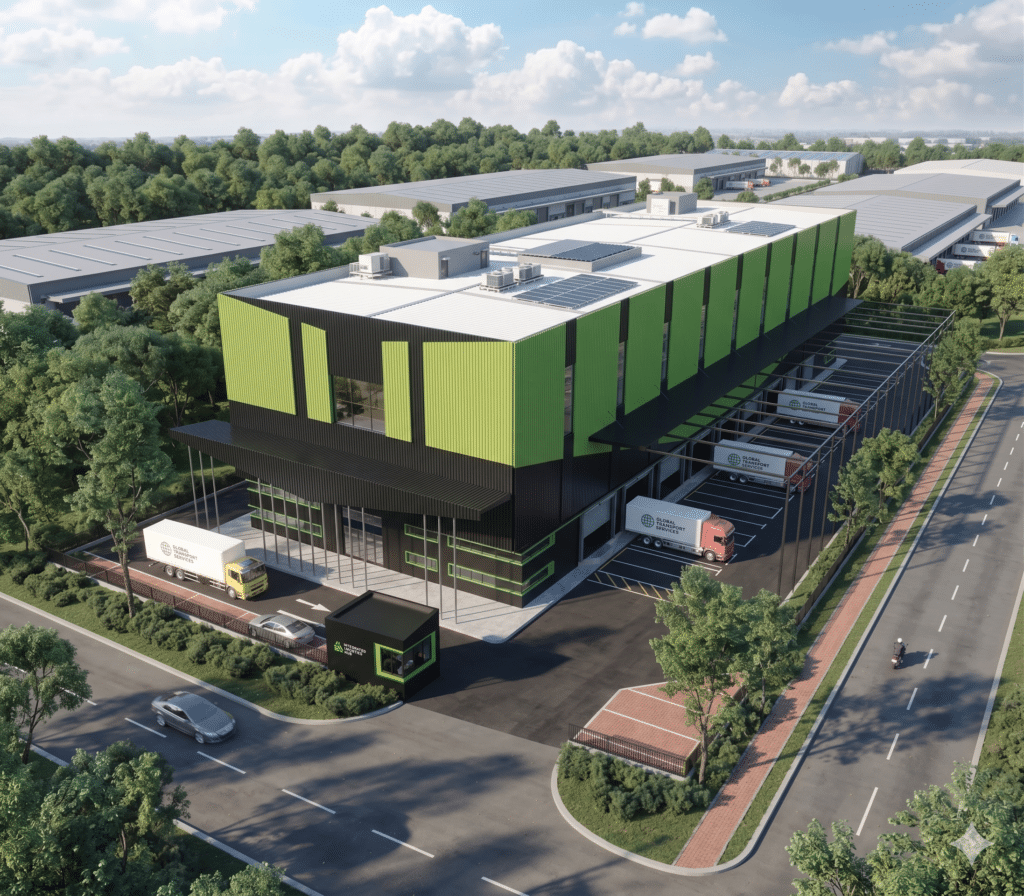
PIH is a leasehold industrial development by Pembangunan Wilayah KL Sdn Bhd, positioned as an Industrial Factory for sale Johor option for businesses seeking facilities designed for light, medium, and heavy industries. Construction is expected to commence in October 2026.
On specifications: factory units are built with 50 kN/m² ground floor load bearing and clear heights of 13–15 metres. The main internal roads are 30 metres wide to accommodate heavy vehicle movement and oversized cargo.
On location: PIH sits 4 km from PETRONAS RAPID, 8 km from Teluk Ramunia MOLF deep-water terminal, 18 km from Tanjung Setapa MOLF, 90 km from Johor Bahru, 70 km from Johor Port, and 130 km from Singapore’s port network.
On incentives: as a development within JS-SEZ Flagship H (Pengerang Integrated Petroleum Complex), PIH occupants are eligible for PIPC special packages, MIDA incentives, and IMFC-J facilitation services.