The PIPC tax incentives package is essentially a massive “welcome gift” from the government for businesses that are ready to help grow the Pengerang area. Simply put, if you’re in the right sector, you could be looking at a 0% tax rate or massive allowances that can last up to 20 years. The real trick lies in understanding the PIPC incentive framework early on, because your eligibility depends entirely on your timing and your commitment to local growth.
- 1️⃣ Pengerang has transformed into a high-tech hub within the JS-SEZ ecosystem
- 2️⃣ Apply to MIDA before issuing the first invoice to secure incentive eligibility
- 3️⃣ Choose between tax holidays or investment allowances based on capital intensity
- 4️⃣ Approval requires fulfilling ESG commitments and mandatory annual internship quotas

What people usually do when they first hear the news
It’s not something people think about, but once it happens, it becomes very troublesome. Imagine you’ve finally secured the capital to move your specialty chemical production to the south. You’ve found the land and your engineers are ready. Then, you sign your first big contract and issue that first invoice.
Suddenly, your tax consultant gives you bad news. Because you already started selling, you are no longer eligible for the full PIPC tax incentives package. To be frank, this happens way more often than people care to admit. In the rush to “start making money,” owners often skip the fine print.
Actually, the rule is quite strict. You must submit your application to MIDA before the first sales invoice exists. Touch wood, if you miss that window, you are leaving millions on the table. This “lucky thinking”—the idea that we can fix it later—is a common pain point in our “boleh” culture.
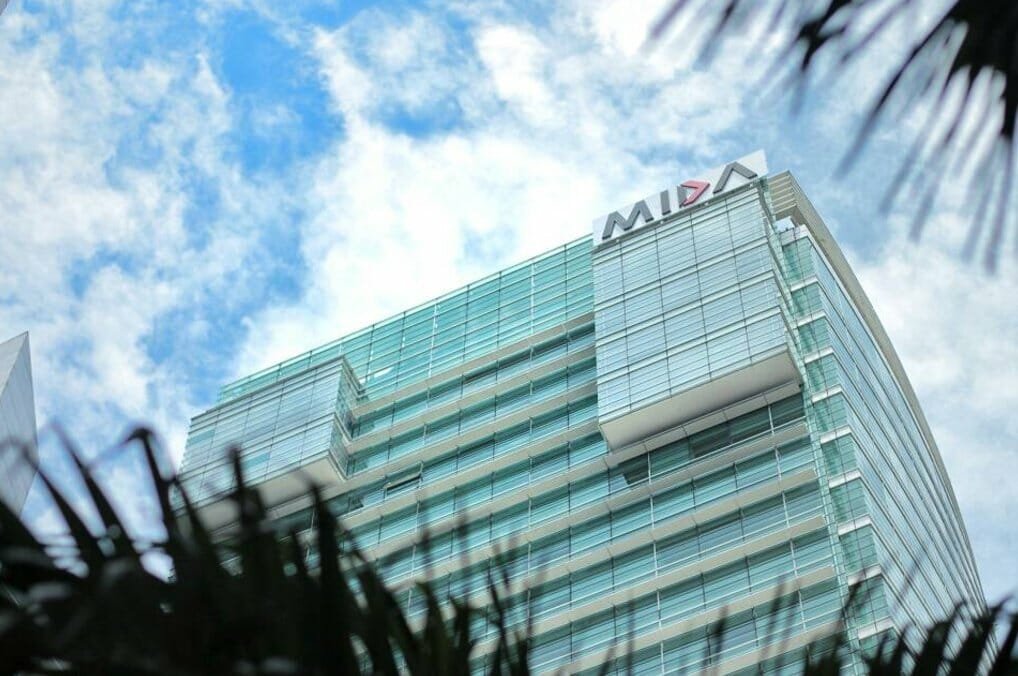
— Image sourced from the internet
The “Before You Sell” rule that many people miss
This is where many people get stuck. There’s a very specific rule in the PIPC incentive guidelines that says you must submit your application before you issue your first sales invoice. In the industry, we call this the “Commencement” rule.
Actually, many people don’t know that if you start your operations and start billing clients before your PIPC incentive application is even in the system, you might have already disqualified yourself from the best perks. It’s a classic case of being too “kan cheong” (anxious) to start making money without checking the paperwork first.
In situations like this, organizations such as Pengerang Industrial Hub (PIH) usually play a more neutral, administrative, or support-oriented role. They can help you understand where you sit in the master plan, but the responsibility of hitting that MIDA submission button before your first sale is entirely on you. You really need to coordinate with your project manager and your tax consultant to make sure the dates align. If you miss that window, no amount of “talking to people” is going to get that 10-year tax holiday back.
Picking between a “Tax Holiday” and an “Allowance”
This is where many people get stuck. There is a very specific sequence for a successful PIPC incentive application. In the world of Malaysian tax incentives, you must apply before you commence your project.
In real life, commencement is defined by your “first sales invoice.” I’ve seen cases where a company is so kan cheong to start their business. They issue an invoice to a client before their MIDA application is finalized. If you do that, you might disqualify yourself from the PIPC tax incentives package.
In situations like this, organizations such as Pengerang Industrial Hub (PIH) usually play a more neutral, administrative, or support-oriented role. They help maintain the ecosystem. However, they cannot turn back the clock if you have already billed clients. It is better to delay your first sale by a month. Make sure your paperwork is in order first.
The stuff your lawyer will remind you about
Honestly, this is something people only realize when things go wrong during an audit. The PIPC high-tech incentives require you to hire and train Malaysians. You must fill at least 50% of high-value positions with local talent. These employees must also earn a minimum salary, usually around RM10,000.
Then there is the MySIP requirement. You must take in at least three Malaysian interns every year. For a busy office manager in JB or KL, this feels like just another “chore.” But if you don’t do it, your approval could be jeopardized.
It’s a real struggle to find people willing to work in Pengerang. It is far from the city lights of JB. Many businesses hesitate because they aren’t sure they can maintain the “numbers.” It isn’t just about building a factory. It is about building a team.
You see families now moving to Desaru and Pengerang because the jobs are becoming more “high-value.” It’s no longer just about manual labor; it’s about engineering, tech, and specialized chemicals. When you’re sitting at a cafe in JB and you hear people talking about the PIPC tax incentives package, you realize that Johor is really setting itself up for a very different future.
It’s an exciting time to be doing business in the south. Just make sure you get your application in before that first invoice goes out, okay? Otherwise, you’ll be the one at the mamak shop telling everyone the “should have, could have” story. Keeping your documents organized and understanding the flow early is really the only way to win this game. It’s about being smart with the policy so you can be generous with your business growth.
💬 PIPC Incentives: Is Pengerang Right for You?
2026 Special Incentive Package, “First Invoice” traps, and JS-SEZ talent insights.