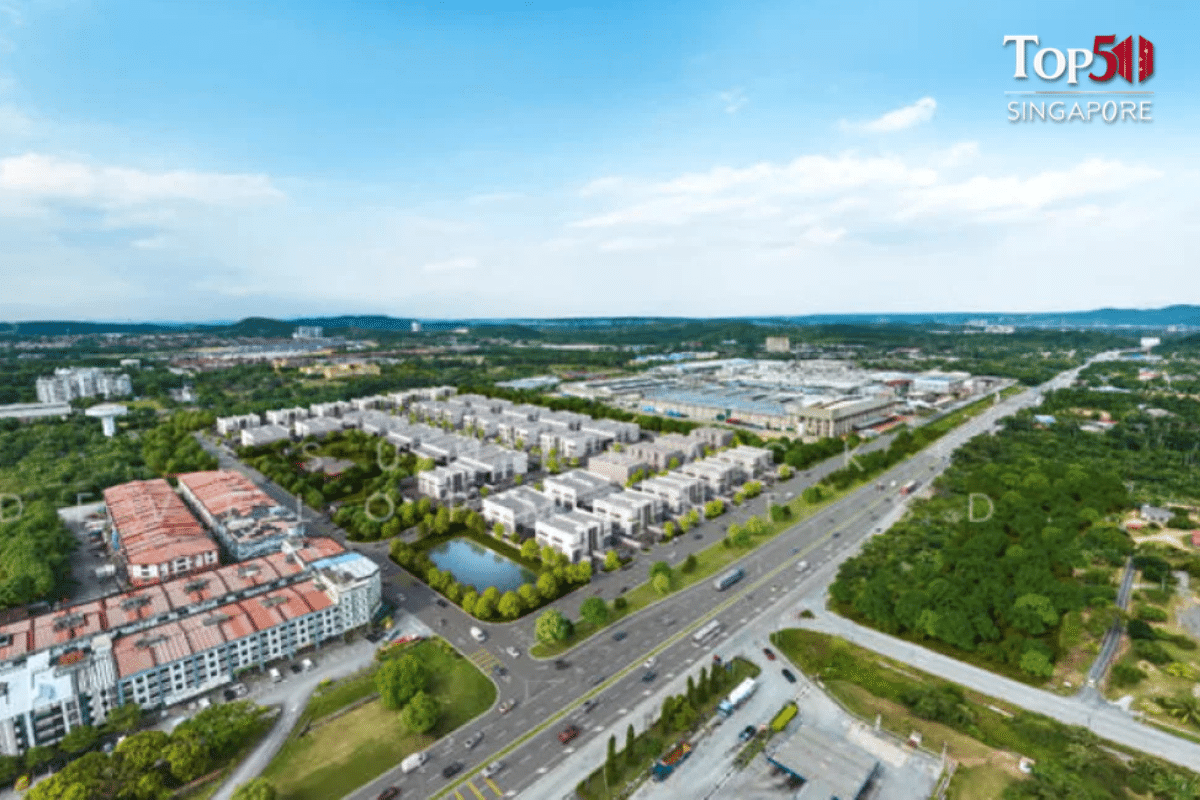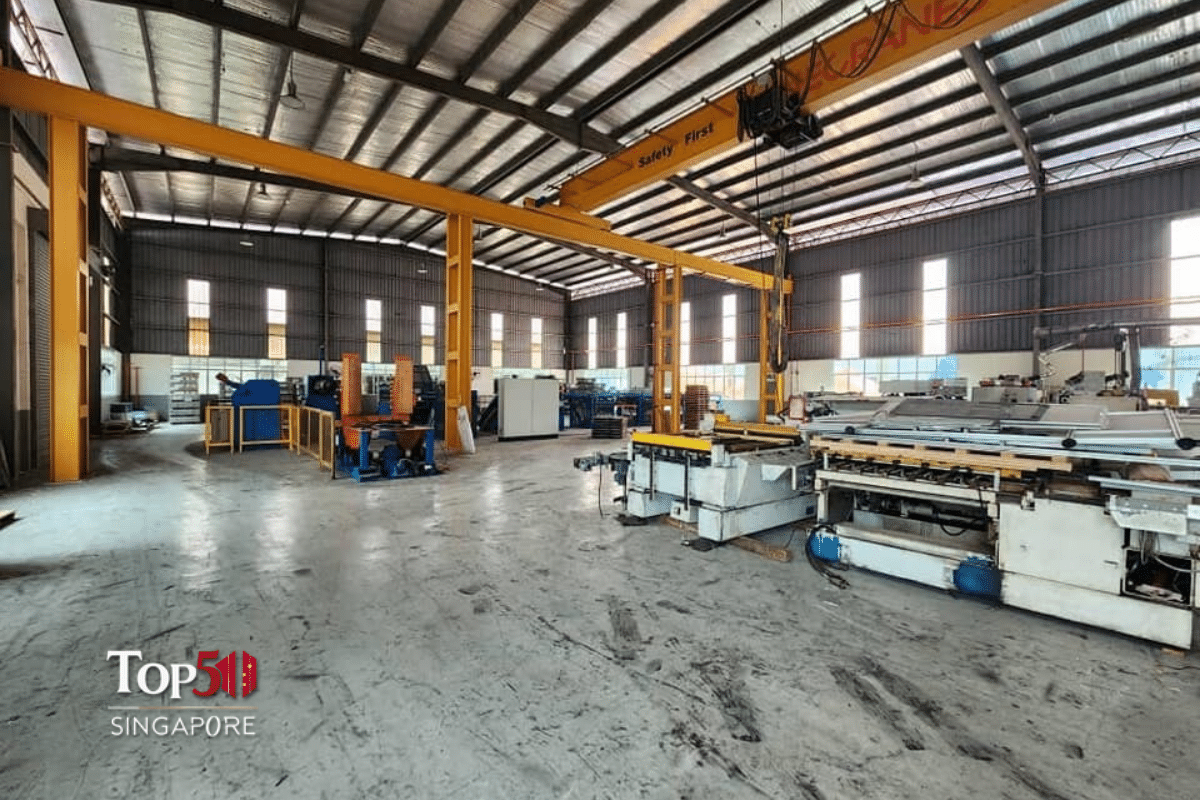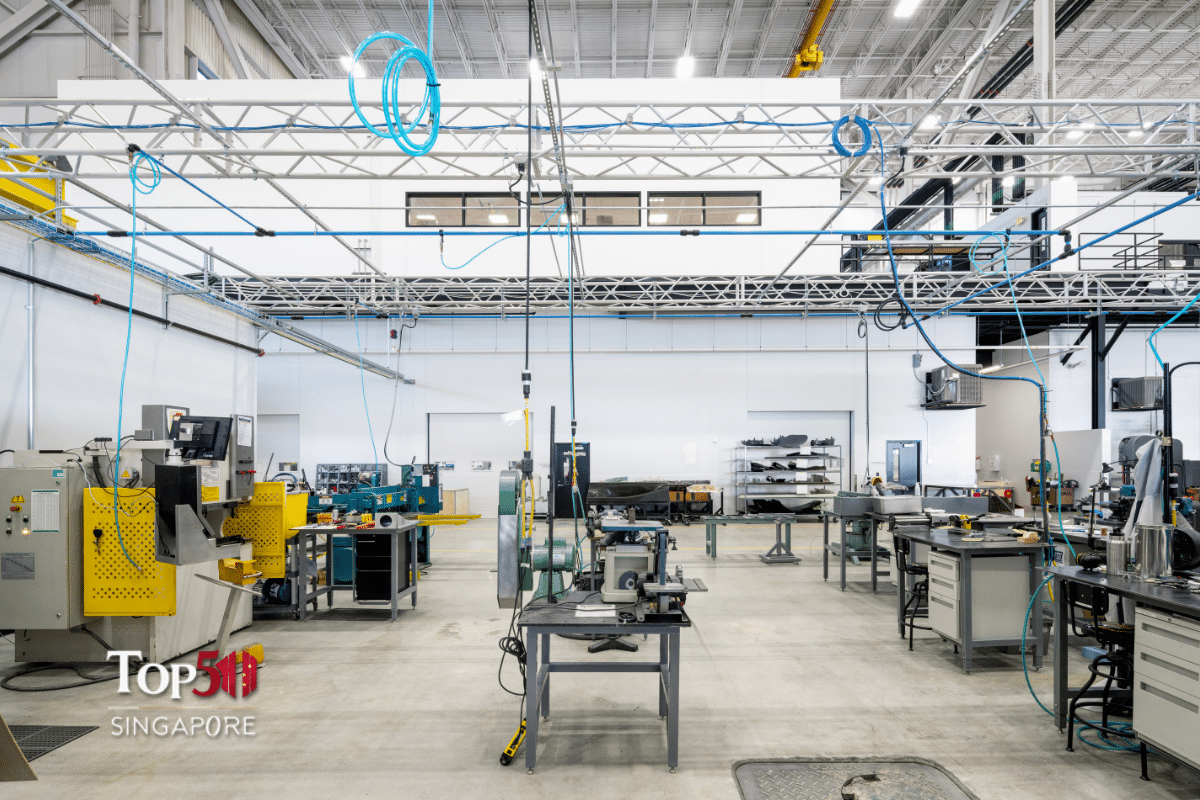
If you’ve been scrolling LinkedIn or reading the business pages lately, one name keeps showing up: Pengerang. For years, people tagged it as a light, medium, and heavy-industry spot—mainly oil and gas, mainly “big players only.” That story is changing. Talk to planners and supply chain people and you’ll hear the same thing: Pengerang is turning into a multi-sector growth zone, and many now see it as a serious contender for No.1 Logistics Hub Johor—Pengerang Industrial Hub (PIH).
So why now? Because the older western hubs are hitting their limits. Areas near key crossings and the older Johor Bahru industrial corridors are packed. Land feels tight. Traffic wastes hours daily. When congestion becomes normal, “good location” turns into “hidden cost.” That’s why investors are hunting for a new frontier—places with modern planning, strong institutional support, and most importantly, room to expand without choking operations.
In that picture, Pengerang stands out as the eastern gateway linked to the broader Johor–Singapore growth narrative (often discussed under the JS-SEZ theme). The buzz isn’t just hype: businesses want a base that can scale, move goods faster, and stay resilient. And PIH is increasingly entering the conversation as the site that could anchor that next chapter.
The RAPID Effect: Why This News is Changing the No.1 Logistics Hub Johor Race -No.1 Logistics Hub Johor
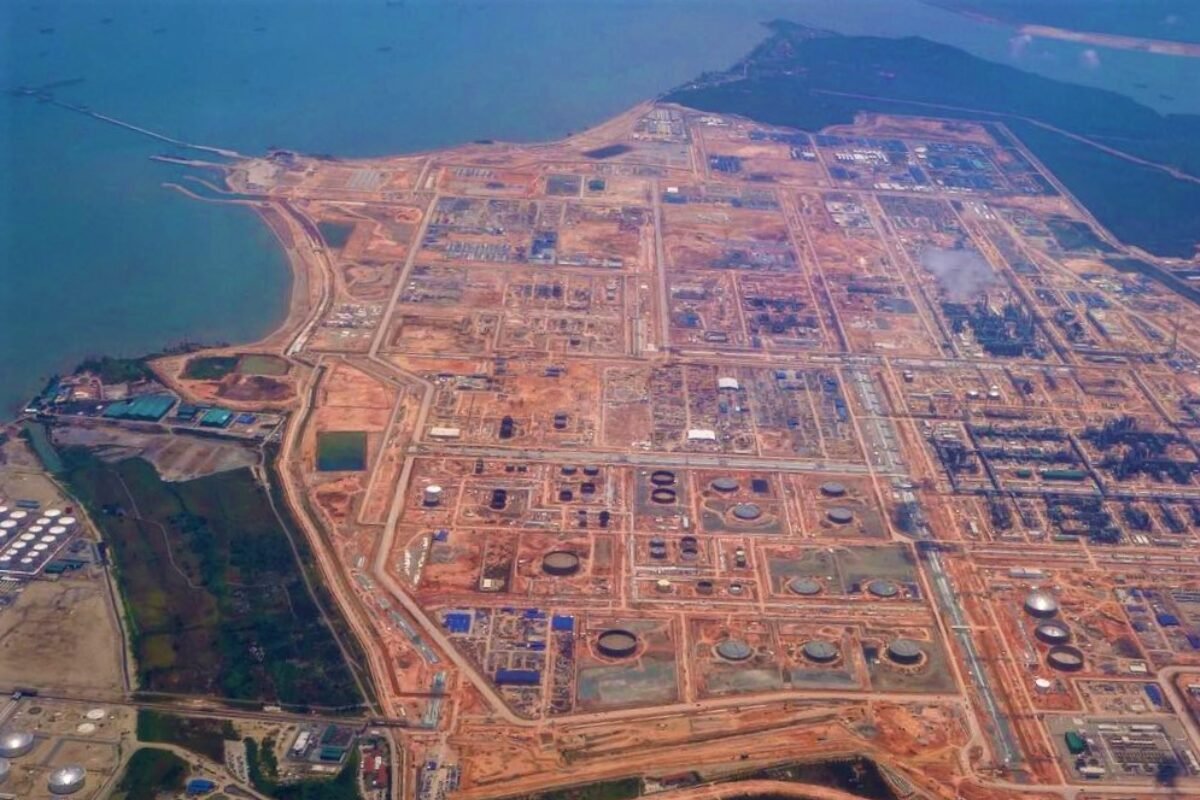
The biggest anchor for Pengerang is still the USD 27 billion Petronas RAPID project. This isn’t “just another refinery.” It’s a mega-scale energy and petrochemical complex. But the real story sits outside the gates. RAPID’s presence creates a strong pull for the entire surrounding ecosystem—especially when a modern industrial park sits right next door. That’s why Pengerang Industrial Hub (PIH) keeps coming up in discussions about Johor’s No.1 logistics and industrial base.
PIH’s 4km proximity to RAPID gives it a clear downstream advantage. It places chemical processing, specialised manufacturing, and high-value industrial services within near-immediate reach of raw material flows. In practical terms, PIH can act as the “plug-in zone”—a platform that helps companies set up, operate, and connect into RAPID’s ecosystem with less friction, while benefiting from structured planning and support services.
This creates a powerful logistics loop: raw materials flow in quickly, value-added production happens nearby, and finished goods move out to domestic and export markets. That upstream-to-downstream positioning is hard to copy elsewhere in Malaysia at the same scale and distance, which is exactly why PIH gets labelled as a strategic Johor regional logistics hub.
Future-Proofing for Global Trade: Building the No.1 Logistics Hub Johor -No.1 Logistics Hub Johor
Latest reports on Johor’s infrastructure push highlight Pengerang as a key pillar in the nation’s 2030 industrial plan. However, PIH can’t lead on location alone. It also needs strong “hardware” on the ground. That’s why the current multimodal rollout matters. It aims to support the trade volumes of the next decade.
Deep-Water Port Access for Global Shipping
PIH plugs into Johor’s port-linked logistics network with deep-water access. As a result, it can support large-scale shipping operations and bigger vessels. This gives exporters more flexibility and better cost planning. More importantly, it reduces reliance on congested legacy gateways.
Roads Built for 40ft Container Flow
Next, PIH supports wide, purpose-built roads designed for 40ft containers. Therefore, trucks move in and out with fewer choke points. In addition, better internal layout improves turnaround time and reduces daily delays.
Smart Warehouse-Ready Digital Infrastructure
Meanwhile, PIH backs operations with digital infrastructure suited for smart warehousing. This improves tracking, scheduling, and inventory control. Consequently, businesses can run leaner and respond faster to demand changes.
24/7 Connectivity Across Malaysia and Singapore
Finally, PIH connects to the Johor logistics corridor across the peninsula and supports cross-border routes into Singapore. In short, the network targets reliability. That’s exactly what global players need to operate 24/7 without constant bottlenecks.
Future-Proofing for Global Trade: Building the No.1 Logistics Hub Johor
The “Singapore + 1” Trend: Why Multinational News is Pointing Towards Pengerang

One major trend in Southeast Asian manufacturing is the “Singapore + 1” strategy. MNCs want Singapore’s financial strength and stability. However, they also need Malaysia’s cost efficiency and industrial space. Because of that, recent market commentary keeps spotlighting Pengerang as a key winner. In this equation, PIH fits as the “second half” of the Singapore setup.
A Practical Two-Base Operating Model
PIH sits close enough to Singapore to support fast coordination. As a result, businesses can move people, goods, and know-how with less friction. For example, a company can place its regional HQ in Singapore and run large-scale warehousing or operations from PIH. This structure reduces costs while keeping access to Singapore’s ecosystem.
Why This Attracts Manufacturers and RDCs
Therefore, PIH is drawing interest from high-end manufacturing players and regional distribution centres (RDCs). In addition, the “China + 1” trend is pushing more China-based firms to scout alternative bases in the region. That shift increases attention on PIH as a Johor logistics growth zone.
A More Resilient, Competitive Logistics Ecosystem
On top of that, shared infrastructure and smoother facilitation help companies scale faster. Consequently, PIH is shaping a Johor logistics ecosystem that stays resilient, supports expansion, and competes globally.
Actually, the window for “getting in early” is slowly closing. As more news breaks about the development of the Johor-Singapore Special Economic Zone and the expansion of downstream petrochemical industries, the demand for high-quality industrial land in Pengerang is skyrocketing. The shift is real: the industry has spoken, and they are recognizing the area as the No.1 Logistics Hub Johor, Pengerang Industrial Hub, PIH.
For business owners and investors, the message is clear. You are not just looking at a plot of land; you are looking at the future of the Southeast Asian supply chain. From the 4km proximity to the $27B RAPID project to the international market connectivity, the advantages of positioning your business here are quantifiable. The ROI isn’t just in the land appreciation; it’s in the massive operational savings and the strategic advantage of being in a high-growth corridor. Don’t wait until the final headlines are written—take the lead and secure your place in the No.1 Logistics Hub Johor, Pengerang Industrial Hub, PIH. The next decade of growth belongs to Pengerang, and those who act now will be the ones leading the charge.