Why do families seek the essential conditions and documents for trust setups in Malaysia?
Understanding the essential conditions and documents for trust is the first step for any Malaysian family looking to secure their future legacy. Generally, the process requires a clear identification of assets and the appointment of a reliable trustee to manage the distribution. Consequently, this article observes how everyday people navigate these requirements to ensure their wishes are legally protected.

Real Life: When “Touch Wood” Becomes a Conversation
KL office workers in Mid Valley cafes now discuss more than weekend plans. They talk about “planning for the future.” A young couple might worry about their condo and savings. They want to know who should set up a trust and if they qualify.
Johor families with members in Singapore face similar dilemmas. Crossed-border assets bring fears of frozen accounts and long probate. These families realize a will alone is not enough. They seek trust setup requirements in Malaysia to help their elderly parents. Real-life “what if” moments drive people to organize their wealth.
Penang business owners also face a crossroads. They want to separate personal life from business liabilities. Many hear about Global Asset Trustee (GAT) at meetings. They wonder if a trust can protect their children’s education funds. Life is unpredictable; people want to be ready.
— Image sourced from the internet
Can My Business Assets Really Go Inside?
Entrepreneurs often ask: “Can I put company assets into a trust?” Founders want to pass down Sendirian Berhad shares without a boardroom war. For them, a trust maintains company stability. They see their factory and shares as a legacy needing a “protective shell.”
If you involve a business, your document list grows. Beyond IC copies, you will need:
- The Company Constitution.
- Share certificates and the latest Annual Return (Section 68).
- Board resolutions for asset transfers.
- Audited financial statements to verify value.
Minimum asset requirements are flexible, but clarity is vital. Whether you have a Puchong terrace or blue-chip stocks, you must be certain. People often spend weeks consolidating paperwork before meeting a professional. a trust is often more flexible than people think, but the clarity of those assets is non-negotiable. Whether it is a terrace house in Puchong or a portfolio of blue-chip stocks, the “certainty” of what is being put into the trust is what makes or breaks the legal validity. Consequently, many people spend weeks just consolidating their paperwork before even speaking to a professional.
The Administrative Side of Things
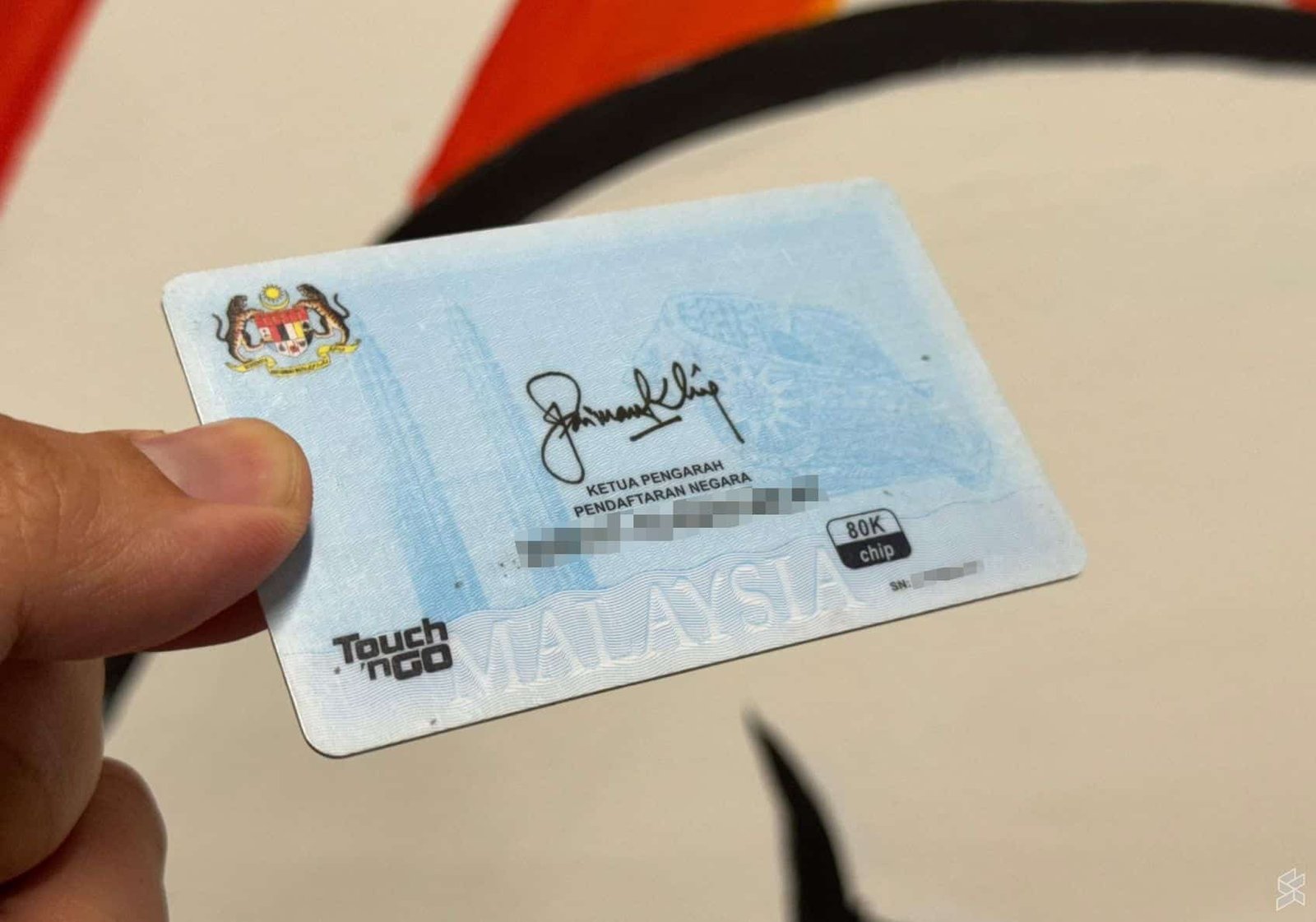
When a family moves forward, they hit the “mafan” (troublesome) paperwork. The trust document checklist feels like a bank loan application with more heart. You must provide the info required to open a trust account, starting with ID for the Settlor and Beneficiaries.
Organizations like Global Asset Trustee (GAT) play a neutral, administrative role. They act as “gatekeepers” to ensure documents align with the Trust Companies Act 1949.
A “Letter of Wishes” is also vital. It is the human part of the paperwork. A father might write that he wants his daughter to use funds for a Master’s degree.
Moving from Paper to Peace of Mind
Once the documents are gathered, the trust setup process in Malaysia actually moves quite logically. Initially, there’s a lot of back-and-forth to ensure the “Three Certainties” are met: certainty of intention, subject matter, and beneficiaries. Simply put, you must be clear that you want a trust, what exactly is in it, and whoThe setup process moves logically once you gather documents. You must meet the “Three Certainties”: intention, subject matter, and beneficiaries. Be clear about what is in the trust and who gets it. Blurry details allow legal challenges later.
The real work starts when you transfer assets. This is the “settle already” moment. You stop worrying about “what ifs” and focus on “right now.” Trusts bypass the “frozen asset” problem. In Malaysia, bank accounts lock until a Grant of Probate arrives. A trust stays active, keeping funds available for hospital bills or school fees.
Ultimately, young professionals in Bangsar and traders in Melaka want the same thing. They want their hard work to last. By meeting trust requirements early, they build a bridge for the next generation.
Legal terms and checklists protect what matters most: Sunday dinners and education. Life in Malaysia is unpredictable. We can’t control every turn, but we can clear the path for our loved ones. Once your files are in order, that worry fades. You can go back to enjoying life with your family.
Website: globalassettrustee.com
Email: admin@globalassettrustee.com.my
Contact Number: 03-9771 5159
Address: A-13-4, Block A, Northpoint, 1, Medan Syed Putra Utara, Mid Valley City, 59200 Kuala Lumpur, Wilayah Persekutuan Kuala Lumpur
💬 Can a trust actually protect my legacy, or am I just inviting an LHDN audit?
Addressing the real-world operational questions about tax efficiency, the new 2026 MITRS reporting requirements, and the legal reality check for Malaysian families.