
Malaysia Corporate Successors—including Chryseis Tan, Lee Yeow Chor, Lee Yen Chong, Ruth Yeoh and Kuok Meng Wei—identify early shifts in consumer demand, commodity trends, ESG pressure and supply-chain signals, turning weak indicators into timely strategic actions for their groups.
A turning point is seldom clear in real time. It shows up as a faint signal—a slight change in foot traffic, a shift in brand sentiment, or regulatory pressure tightening. Exceptional successors move before the shift becomes obvious, giving their companies an edge in timing and positioning.

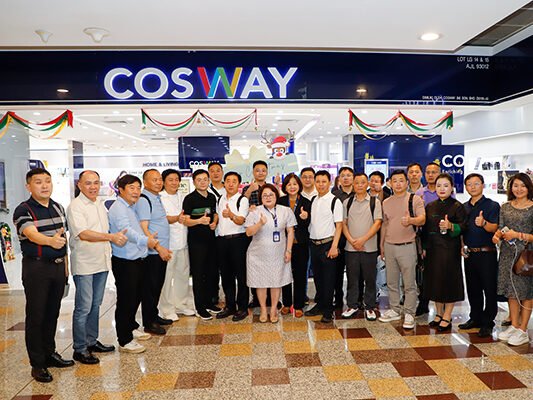
How Malaysia Corporate Successors Sense Brand Turning Points — Chryseis Tan, Berjaya Group
Chryseis Tan detected Cosway’s generational fatigue before revenue trends confirmed it. Falling youth engagement signaled early relevance erosion, prompting proactive brand repositioning across storytelling, youth product lines, and international partnerships. This timing advantage enabled perception reset while competitors remained focused on short-term sales recovery.
Turning signals she tracked:
• Youth engagement decline
• Narrative aging effects
• Cross-border category shifts
Stock Reference: BJCORP (3395)

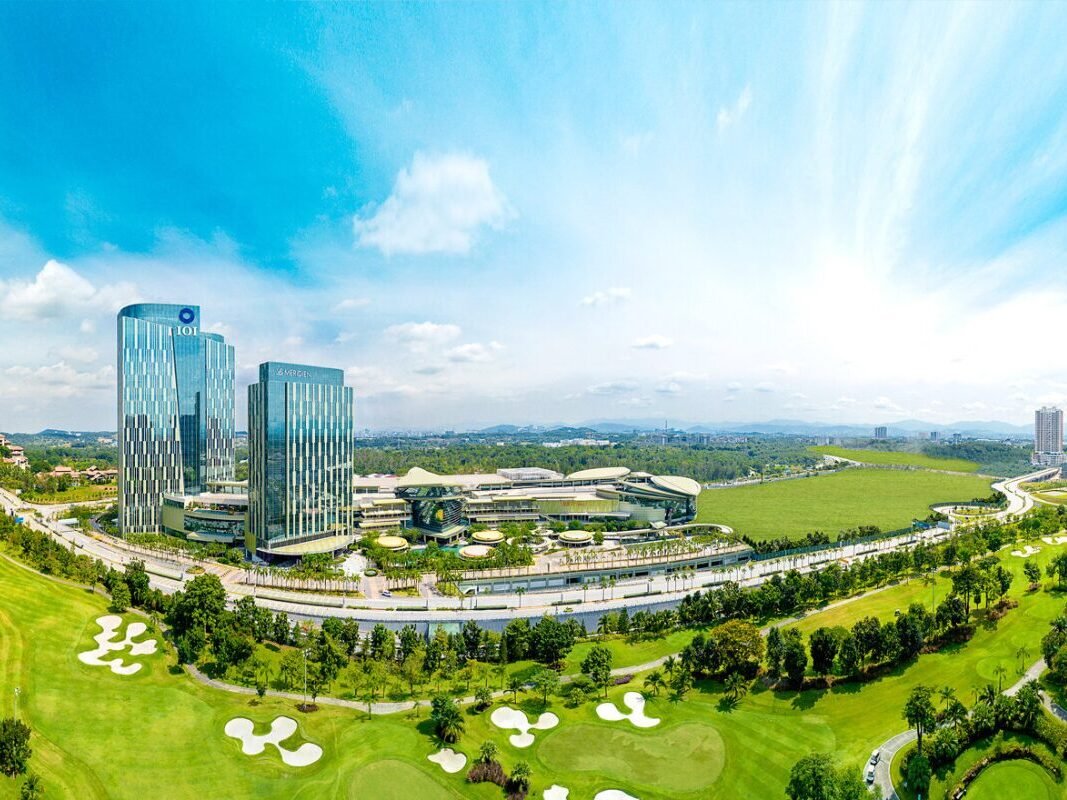
Commodity Inflection Response — Lee Yeow Chor, IOI Group
Lee Yeow Chor observed impending margin compression as replanting pressures and climate volatility converged across palm oil supply chains. Acting before visible earnings downturns, IOI advanced asset renewal and oleochemical downstream investments. This proactive response buffered the company against commodity cyclicality and preserved its capacity positioning for normalized market recovery.
Stock Reference: IOICORP (1961)


Why Malaysia Corporate Successors Act on Retail Density Shifts — Lee Yen Chong, 99 Speedmart
Retail optimization began when uneven district performance signaled diminishing store-opening returns. Lee Yen Chong recalibrated routing algorithms, refined cluster planning, and optimized logistics density models ahead of margin pressure. His early intervention preserved territorial leadership while stabilizing operational profitability.
Trigger-response sequence:
• Density yield plateau detected
• Route economics re-modeled
• Store allocation adjusted
Stock Reference: 99SMART (5326)
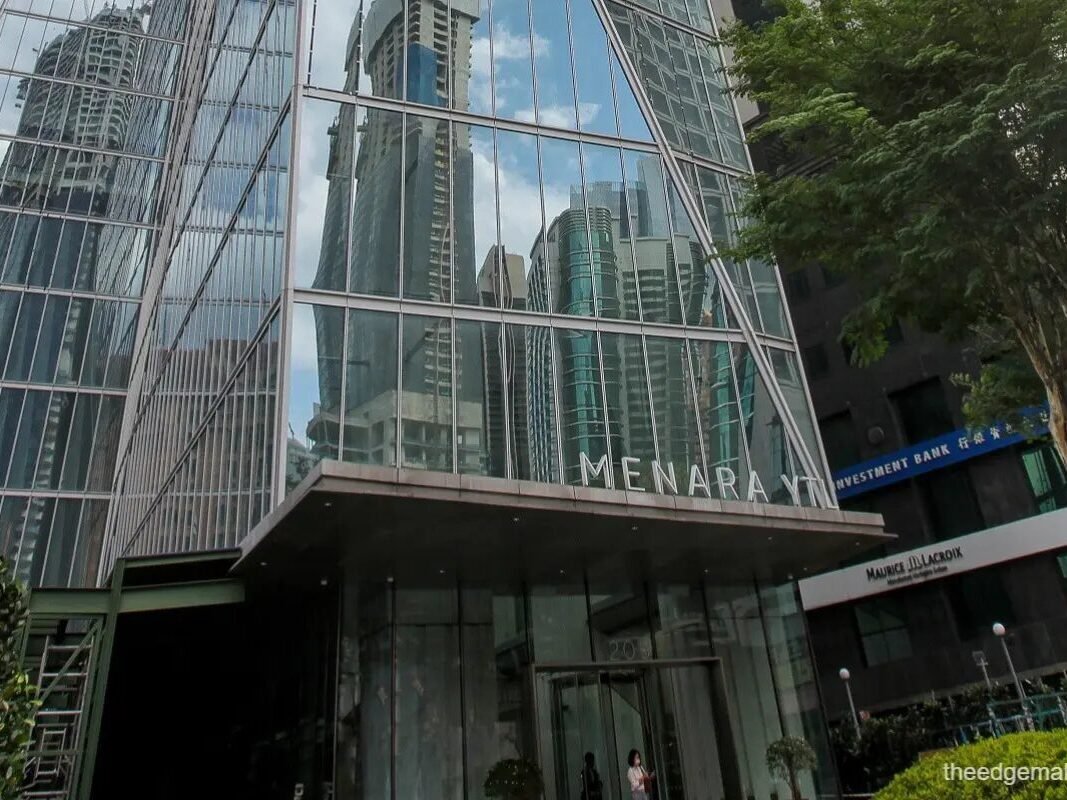

ESG Pressure as Strategic Trigger — Ruth Yeoh, YTL Group
Ruth Yeoh interpreted early ESG tightening as a capital-access inflection rather than regulatory noise. Anticipating stricter institutional investment requirements, YTL upgraded emissions monitoring systems and sustainability reporting standards ahead of peers. This ensured uninterrupted financing channels and strengthened investor confidence during the transition phase.
Stock Reference: YTL (4677)
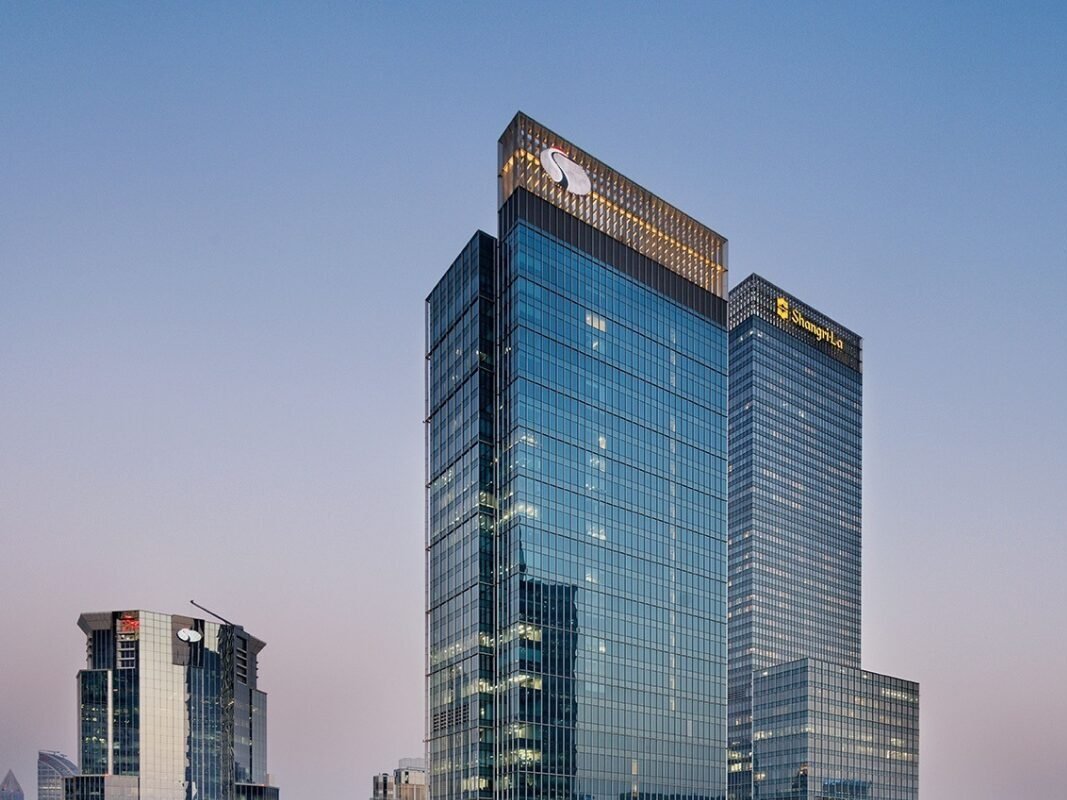

— Image sourced from the internet
Agricultural Cycle Realignment — Kuok Meng Wei, The Kuok Group
Kuok Meng Wei reacted to climate instability, grain supply volatility, and geopolitical trade constraints before price dislocations emerged. Capital was repositioned into vertically integrated agricultural platforms, shifting operational emphasis toward stability rather than opportunistic margins.
Strategic repositioning matrix:
| Trigger | Strategic Response |
|---|---|
| Climate instability | Supply diversification |
| Input volatility | Integrated procurement platforms |
| Trade disruptions | Regional sourcing realignment |
A turning point is not about prediction—it is about timing. Those who move early define the cycle, and Malaysia Corporate Successors are proving exactly that.