In Malaysia, carbon credit trading is no longer a niche topic. More companies are starting to ask questions, more projects are being discussed, and more meetings are taking place in KL, Penang, and even Johor. On the surface, interest seems to be growing steadily across different industries. Yet one thing has not changed very much. Actual deals still move slowly, and many discussions never reach the finish line. This article looks at carbon credit trading from a news-style, ground-level perspective — not theory and not hype, but what is really happening on the seller side, and why so many projects stall even when buyer interest clearly exists.
The market looks active, but sellers feel stuck
On paper, the market looks busy. Companies talk about sustainability targets, consultants discuss offsets, and developers point to potential revenue streams. From the outside, it feels like carbon credit trading should be moving faster than it is. But when sellers try to move from “interest” to an actual transaction, many quickly realise that something is missing. In most cases, the problem is not a lack of demand, and it is usually not price either, especially in the early stages. The slowdown often happens much earlier, during the evaluation phase, when buyers begin asking detailed questions and sellers discover they are not fully prepared to answer them.
How buyers actually look at carbon credit trading
From the buyer’s side, carbon credit trading is not treated like a simple purchase. It is closer to a risk decision. Before asking “how much”, companies usually ask:
- What exactly is being sold?
- Where does it come from?
- Can this be explained internally?
- Will this still make sense two or three years later?
If these questions are hard to answer, discussions tend to pause. Not because the buyer dislikes the project, but because uncertainty is difficult to manage inside a company.
“How to sell carbon credits” sounds simple, but isn’t
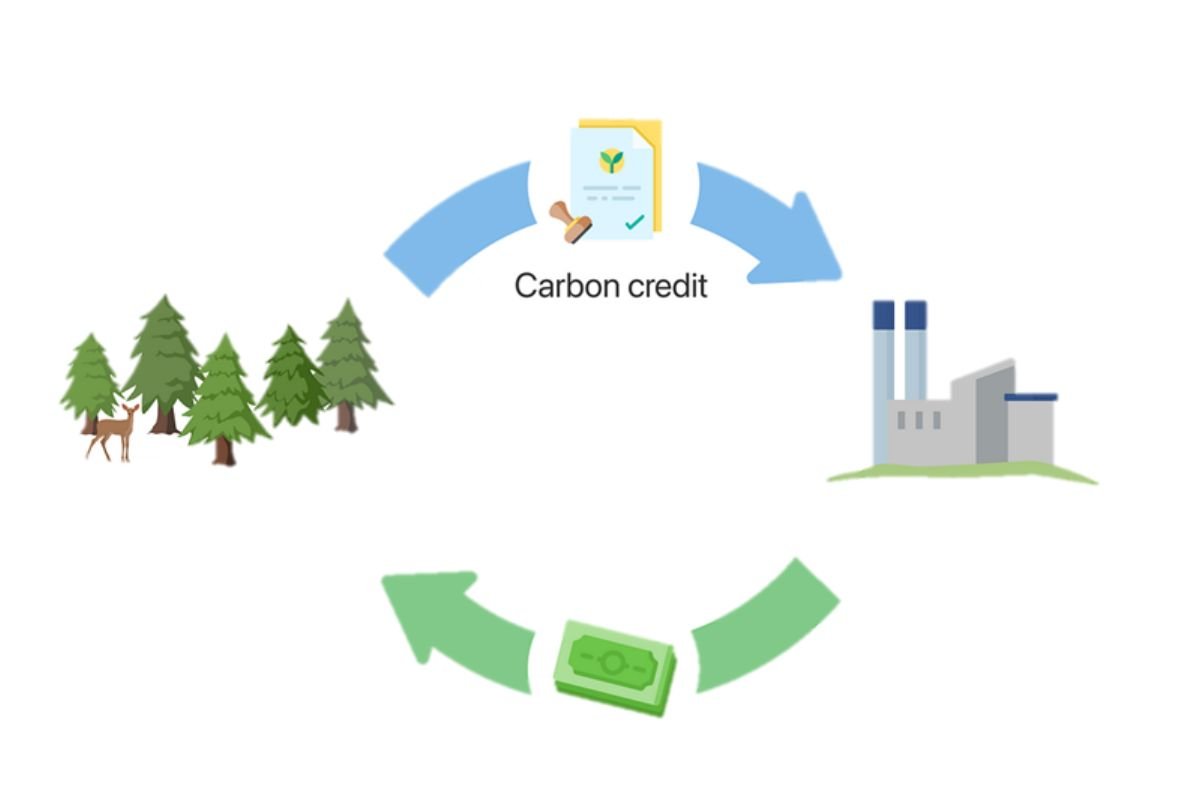
Online searches like how to sell carbon credits or sell carbon credits online make the process sound straightforward. In reality, sellers quickly discover that listing is easy and explaining is hard. Many projects struggle not with access, but with clarity. Buyers need to understand the logic behind the credits, how they are transferred, how settlement works and what happens after purchase. If explanations keep changing, confidence drops.
Where to sell carbon credits is not the main problem
Another common question that comes up very quickly is where to sell carbon credits. Marketplaces exist. Brokers exist. There are also various carbon credit brokerage services that promise access to buyers and wider exposure. On the surface, these options sound like the solution many sellers are looking for. In reality, however, these channels cannot fix the core issues that slow deals down. If a seller cannot clearly explain what the project is doing, no marketplace can magically make the transaction smoother. If documents are incomplete or the logic behind the carbon reductions is unclear, no broker can fully remove buyer hesitation. Platforms and intermediaries are designed to connect people. They are not meant to replace preparation. When sellers are not ready, even the best channel will struggle to move a deal forward.
Verified and voluntary credits still face scrutiny
Even when sellers try to sell verified carbon credits or sell voluntary carbon credits, scrutiny remains. Verification helps — but it does not end questions. Buyers still look at:
- Context
- Transfer history
- Future usage
- Internal compliance comfort
This is why many verified projects still take time to close.
The carbon credit selling process is slower than expected
The carbon credit selling process often surprises first-time sellers. It involves:
- Review
- Internal discussion
- Risk assessment
- Back-and-forth clarification
This takes time. When sellers expect quick results, frustration builds. When buyers feel rushed, caution increases. That mismatch slows everything down.
Requirements to sell carbon credits are not just documents

On paper, the requirements to sell carbon credits look manageable. But in practice, sellers are expected to:
- Explain their project clearly
- Maintain consistent information
- Be ready for repeated questions
Selling is not just handing over files. It is helping buyers feel comfortable.
Transfer and settlement are where buyers slow down
Even when interest remains, carbon credit transfer and settlement can cause hesitation. Buyers want to be sure:
- Ownership is clear
- Timing makes sense
- Records will hold up later
If this part feels uncertain, decisions slow.
Why some sellers seek neutral support

As projects become more complex, some sellers start to realise that what they need is not someone to sell for them, but someone to help them organise. At this stage, neutral support roles often become useful. Units like Carbon Core (carboncore.io) typically work in an administrative or coordinating capacity. Their role is to help structure information, clarify project explanations and align processes, rather than push sales or set prices. This kind of support is focused on clarity and readiness, not promotion.
The reality of carbon credit trading in Malaysia
Carbon credit trading in Malaysia is active — but cautious. Deals rarely fail because the idea is wrong. More often, they pause because confidence takes time to build. For sellers, the lesson is simple: selling carbon credits is less about speed, and more about clarity. When expectations align with reality, progress becomes easier. And when preparation improves, transactions tend to follow — slowly, but far more reliably.
Official Website: Carboncore.io
Carbon Credit Trading — Why Deals Move Slower Than Expected?
Common seller blind spots seen from the buyer’s perspective