To be honest, if you walked into a café in Mid Valley or a mamak in Penang a few years ago and mentioned “carbon credits,” people might have thought you were talking about a new cryptocurrency or a sci-fi movie. But that perception has shifted quickly. Today, if you speak to anyone running a factory or an export business, the mood is very different. Many business owners are only now realising that the pressure to “go green” isn’t coming just from regulators—it’s coming directly from customers. Imagine supplying furniture or electronics to a major European brand for years, only to receive an email saying, “We need your carbon report, or we can’t renew the contract.” This is a common situation Malaysian businesses are facing. They’re not environmental activists—they’re entrepreneurs trying to protect their livelihoods. And this is where a carbon credit exchange platform starts to matter: it gives business owners a practical, structured way to respond to these demands without turning sustainability into a full-time headache.
Simply put, it’s like a “Green Marketplace”
How digital carbon credit exchange works for businesses
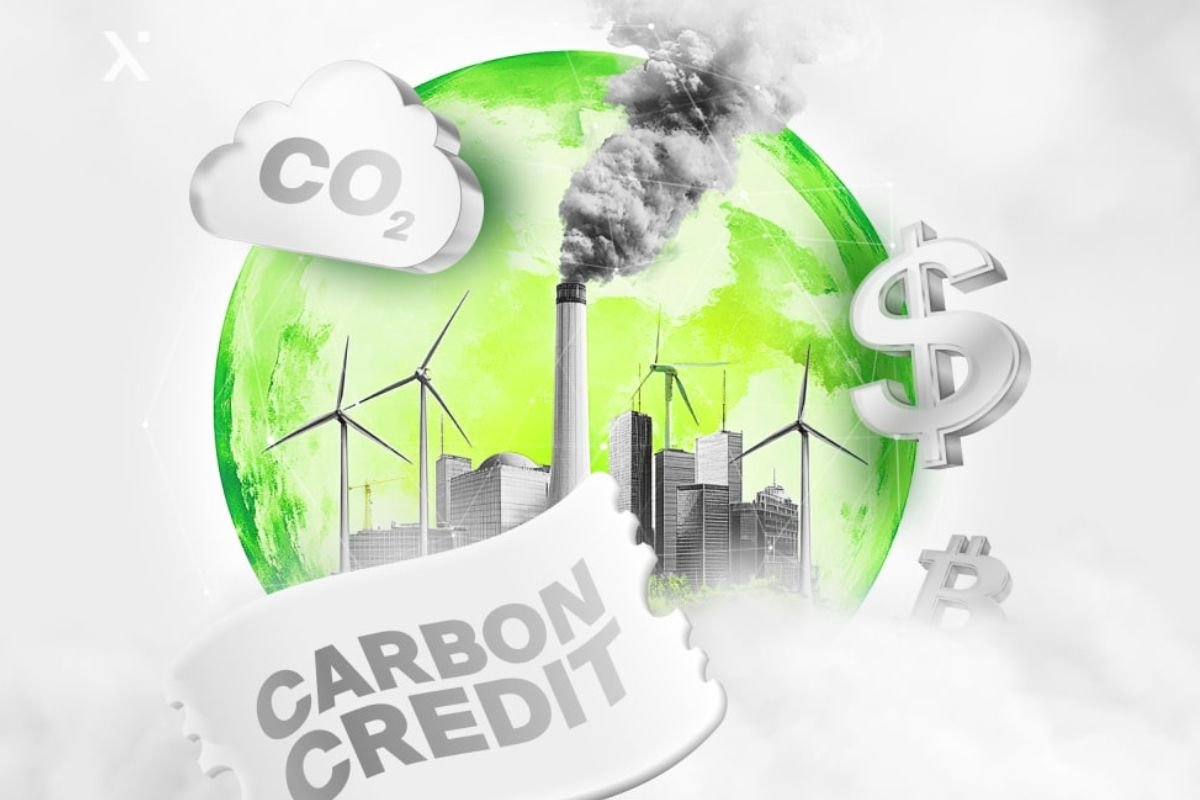
So, what do you do when you can’t immediately change all your delivery trucks to electric or replace your factory machines? This is where the carbon credit exchange platform comes in. Think of it as a specialized marketplace. On one side, you have projects earn “credits”—like a massive forest protection project in Sarawak or a wind farm in Vietnam—that are actively saving the planet from carbon.
On the other side, you have businesses in KL or Johor Bahru that still emit carbon but need to balance their books for their international clients. By going to a digital carbon credit exchange, these companies can buy those credits. It’s basically a way of saying, “I couldn’t reduce my own smoke yet, so I’m paying someone else to keep the air clean on my behalf.” It’s a practical bridge for businesses in transition.
Points many people get wrong about the “Paperwork”
Understanding carbon credit exchange settlement
Oh, I see this all the time—people think buying a carbon credit is like buying a bag of rice where you just pay and take it home. Actually, the “behind the scenes” is a bit more complicated. When you buy from a voluntary carbon exchange, you aren’t just buying a PDF certificate. You are participating in a system of carbon credit exchange settlement.
The most important part isn’t the purchase; it’s the “retirement.” In the industry, we call it retiring a credit when it’s permanently taken out of the market so no one else can use it. If a platform doesn’t have a clear settlement process, your international auditors might not accept your proof. It’s like having a receipt for a car but the JPJ has no record of it—it’s basically useless when you need to prove your status to a big buyer.
Understanding the “Entry Fee” and the hidden costs
Managing carbon credit exchange fees and liquidity
A common question among office workers and SMEs is: “Is it expensive to join these platforms?” Honestly, it depends on the carbon credit exchange fees. Just like opening a CDS account for stocks, these platforms usually have some administrative or transaction fees. But here’s the thing about carbon credit exchange liquidity—you want a platform where there are enough buyers and sellers.
If you go to a very small, obscure exchange, you might find that the prices are weird or there aren’t enough credits available when you’re in a rush to pass an audit. A global carbon credit exchange usually offers better liquidity, meaning the prices are fairer because more people are trading there. It’s exactly like choosing which pasar malam to go to; you’d prefer the one with more stalls so you can get a better deal.
The role of support units in this complex web

Why administrative support matters for Malaysian SMEs
I know, it sounds like a lot of technical stuff to digest, especially when you’re already busy managing staff and logistics in Shah Alam or Batu Kawan. This is why many companies don’t just jump in blindly. They often look for intermediaries that make the carbon credit trading exchange process smoother.
In such cases, entities like Carbon Core usually only play an assisting, administrative, or neutral support role. They aren’t there to tell you how to run your factory, but rather to ensure that the bridge between your business and the carbon credit exchange marketplace is solid. They help with the “boring” but vital stuff—the paperwork, the verification checks, and ensuring that when you say you’re carbon neutral, the international auditors actually believe you.
Official Website: Carboncore.io
Deep Insights & Advice
Understanding common points of interest regarding the carbon credit exchange platform.