Penang vs Singapore? Sorry, We’re Playing Different Games which the Real 5 Engines Powering Singapore’s Economy Right Now
We all know that people in Malaysia look across the Straits of Malacca to see Singapore as being an extremely expensive place to live and to do business. However, looking at Singapore from the outside you tend to think of them as simply being a regional trade hub like they have always been – a bunch of boats and banks, right? But when you dig deeper and start looking at what’s going on inside of Singapore, it is much more complex than that. Think of our computers when we upgrade a computer – we don’t just care about the case of the system we are building, we also want to know the specifications of the CPU, the graphics card, and RAM. Thus, is also the case with Singapore as they are completely revamping their economy right now. Singapore was previously known for 20 years as the regional trade hub – now they are transitioning away from that as Singapore strategic economic sectors to high-value industries that will allow Singapore to be successful for the next 20 years.
I have done quite a bit of research on this area, especially focused on the two reports I received from DBS towards the latter part of 2025 and there are very specific industries in Singapore that are driving the economy, as well as future economic development and investments over time. If you do any type of business, technology, or stock investment, then there are five major industries in Singapore that you should learn about.
Advanced Manufacturing (Semiconductors) – The Silicon Backbone
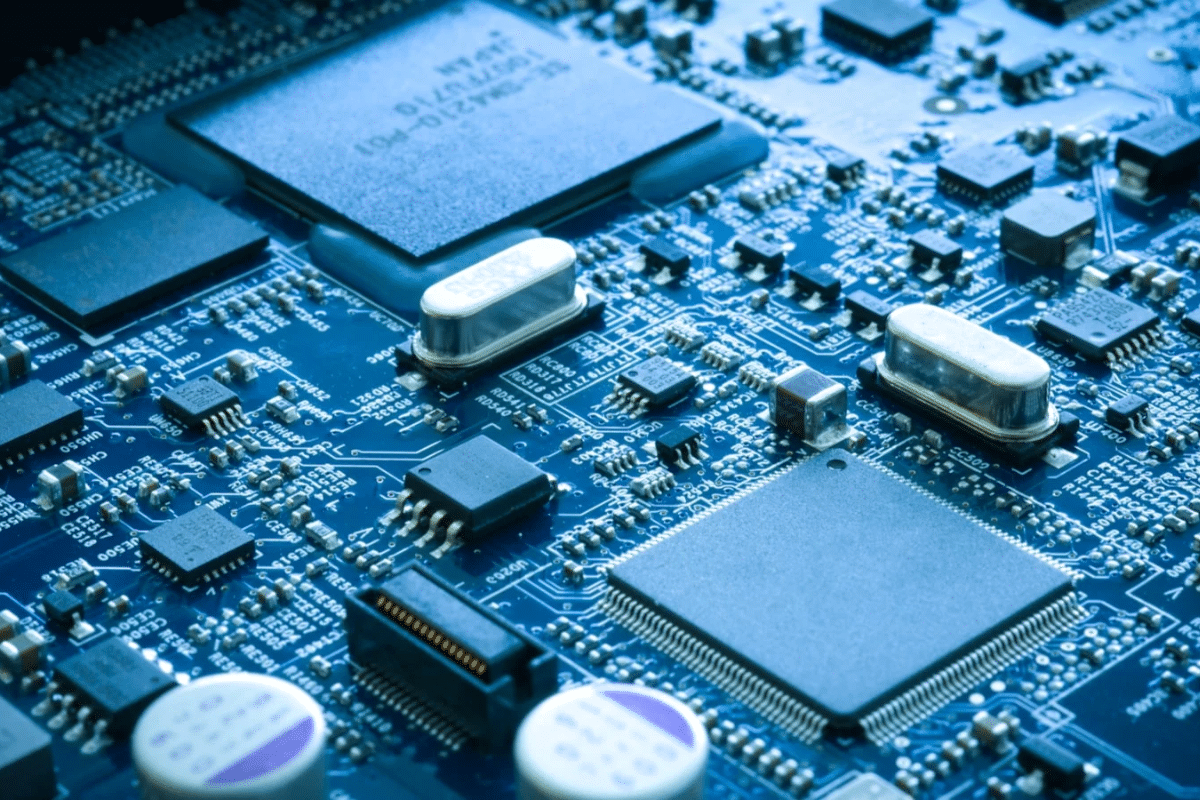
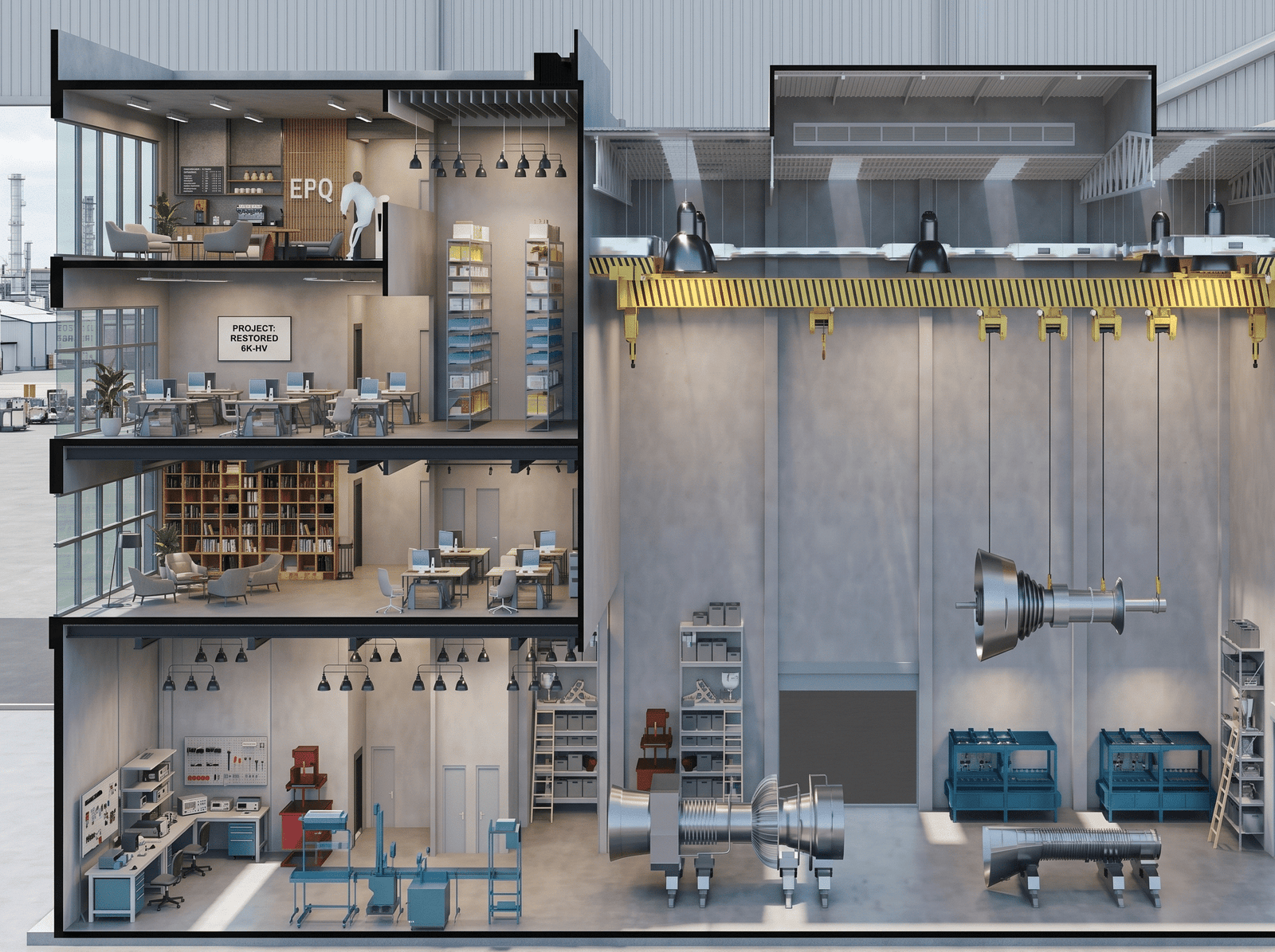
To clarify, many people think that Singapore has stopped making any products. That is incorrect. Putting aside the small detail that they have stopped producing T-shirts, they are now focused on developing the technology or brains that run the manufacturing machinery. Advanced Manufacturing and Semiconductor Industries are the main underlying industries within the government’s strategic economic sectors. Remember there was a chip shortage a few years ago? Well, not many people realize that Singapore is the silent hero behind that chip shortage accounting for less than 11% of the world’s total semiconductor market. For such a small city-state, it gives you some sense of scale and by the end of Q4 2025, Singapore’s Manufacturing industry continued to grow with a tremendous annual growth rate of 15% year-over-year after other countries were stagnating, Singapore experienced rapid growth in their abilities to produce Logic/Semiconductor. Transitioning from pure assembly to also conducting R&D.
Soon after, the Singapore government publicly announced their RIE2030 plan — a 10-year, S$370 billion investment into R&D with a significant portion being allocated toward semiconductors. Their aim is also to be the dominant supplier of high-tech chips used in AI devices, vehicles, and part of their digital economy strategy for Singapore. An example of the future Factory Model of Production is if you are a manufacture/supplier of a Factory located in Johor Bahru, Malaysia then you are making/Supplying the machine for an organization whose Head Quarters are located in Singapore. This Headquarters is responsible for developing the next generation of products/machines and all of the most valuable industries that Singapore requires to be dominant among the other participants at the top of the Manufacturing value channel.
Financial Services – Not Just Banking, But “Trust”
Yes, this is an obvious statement. But the transition taking place within the financial sector Singapore is really interesting. Financial services use to be about wealth management—where the wealthy put their funds for safe keeping. Instead of that, you are now witnessing the growth of the “Trust Services” Centre in Singapore. As Deputy Prime Minister Gan said recently-Singapore wishes to be a global hub for trust-based services. Things such as risk advisory, cyber security for finance and arbitration!
Let me give you an example from my daily work. A Malaysian startup seeking to obtain funding from a US Venture Capitalist will have its holding company in Singapore. Meanwhile, if a Chinese technology corporation is looking to go public because of uncertainties in their local market, Singapore is where they are headed. These corporations will also help lead the new Singapore Economic Transformation Roadmap which hopes for Singapore’s GDP to reach $1.4 Trillion by 2040, with the Financial Sector leading the way as the largest contributor to Singapore’s GDP: It’s not just about a strong SGD (which Singapore does possess), it has much to do with the rule of law. In this chaotic world, boring stability is attractive.
Biomedical & Life Sciences – The Ageing Nation Solution
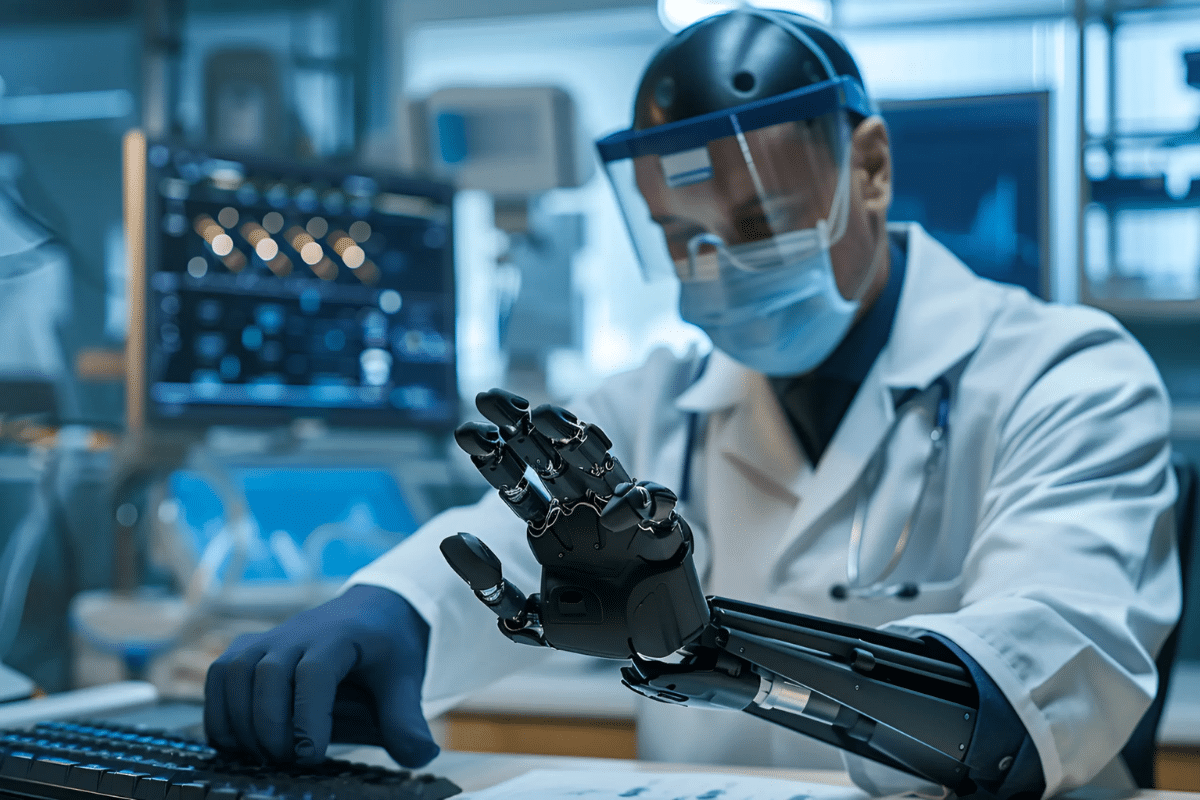
This a little bit like being Kiasu but very clever. Singapore’s population is geriatric at a faster rate than ours. Rather than panicking, they’re creating an entire industry for it. The Biomedical and Life Science industry’s booming in Singapore. Why? Because they’ve realised when you have an older population you have two choices. Import nurses to your country and pay through the nose (expensive). Build factories to manufacture medicines to sell around the world (profitable).
They’ve chosen number 2. The New “Healthier SG,” is about more than just exercise. It’s about personalizing medicine and they’re putting lots of money into Biotech R&D. Specifically into the Biomedical and Life Sciences sector cluster in Biopolis. They want to create a place where unique Cancer Drugs will be created and not just produced. And through the use of their “Research, Innovation and Enterprise 2030” plan, they have outlined specific “Grand Challenges” for Human Longevity. So, while we’re doing the Kaya Toast thing they’re coming up with ways to keep their people healthy until they are 100. High Value! Extremely High!
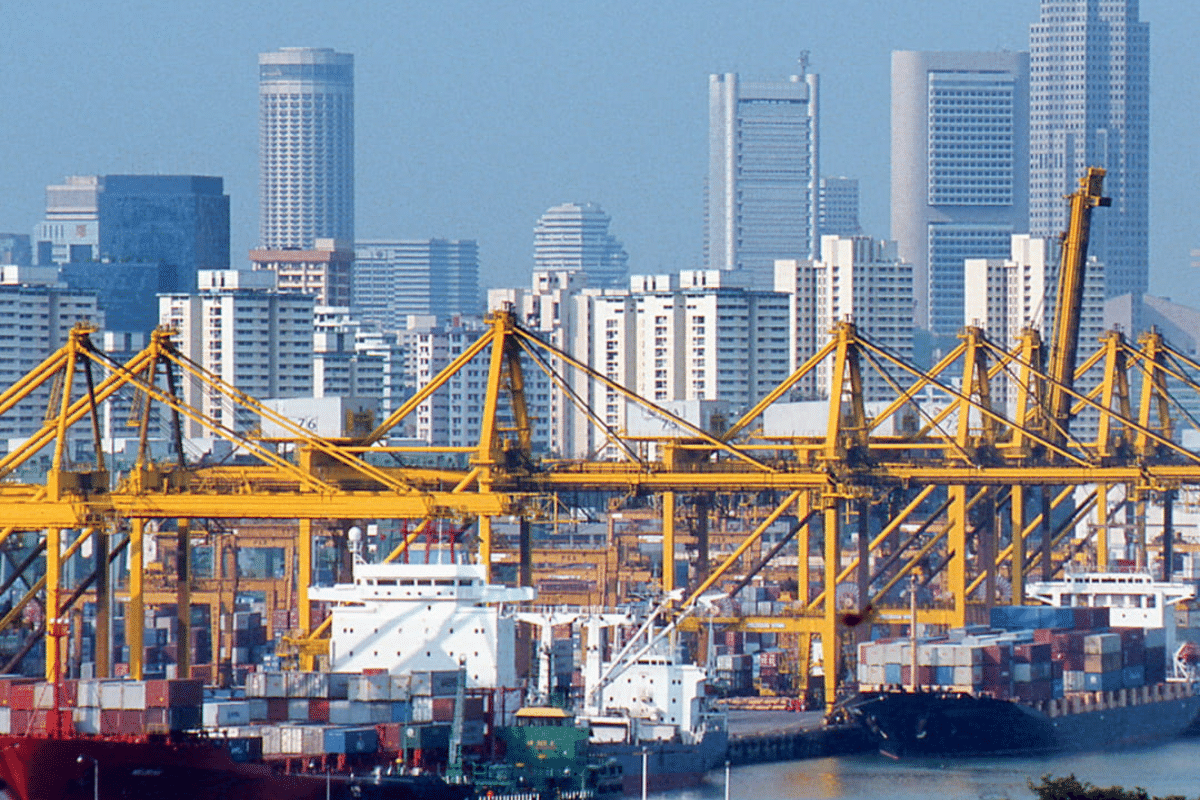
Logistics & Maritime – The Air Trunk
When we consider the differences between Port Klang and Tanjung Pelepas, we often overlook how different the logistics and maritime industry in Singapore really is – and how those differences impact the operations of both Ports Regionally & Globally. Instead of fighting for volume, they are fighting for control of trade and logistics. For example: When goods travel from Europe to China, or China to the US, it is very likely that they will have travelled through multiple Ports before reaching their final destination. But where is the insurance written? Where is the contract? Where is the banking arranged? The answer to all of these questions is Singapore.
Singapore has moved up the value chain to become the “regional trade hub” in data and services, not just cargo or containers. Even with all of the supply chain disruptions experienced in 2025. Their Transport & Storage sector continues to grow steadily. They are maintaining control over the “brain” of the global supply chain through advanced technology including ship tracking software, artificial intelligence to help predict delays and third-party banks to provide financing. This is the reason why they have implemented an effective Economic Development Strategy.
Digital Economy & AI – The Everyday Smart Nation

Last one, and this is where it gets fun. The digital economy strategy Singapore is very aggressive. Initially, Grab appeared to be simply a ride-hailing app. However, today, it stands as an extensive AI company. The Government of Singapore has released Phase 2 of the National AI strategy (NAIS 2.0), which has positioned Singapore as the world’s second-most AI-ready country. This shift will result in all industries digitizing in some way, shape, or form. FINANCE will begin using AI for detecting fraudulent activities. LOGISTICS will be utilizing AI to determine the fastest/easiest routes to transport goods. HEALTHCARE will start using AI to assist with diagnosing patients through X-ray imaging.
At DBS Bank, we see from their recent projection of the Singapore Digital Economy Strategy that the driving force behind double-digit economic growth will result from the implementation of smart technologies—moving closer to becoming a Smart Nation—where even your grandmother will have access to digital wallets and the government itself will rely on Cloud Computing to run day-to-day operations.
For those of us living in Malaysia, this presents an opportunity for us because the spillover effect from Singapore’s AI industrial policy to Johor has led to a rapid establishment and expansion of Data Centres on this side of the border. As a result, there is a symbiotic relationship between both countries, with the “heavy lifting” of server and cloud storage occurring on the Malaysian side of the border.
FAQs — Singapore Business Rankings 2026, Made Simple
Straight answers, no corporate filter. For the rest of us across the causeway.