Many Malaysian companies only start paying attention to carbon credit price when pressure is already there.
It usually begins with something small. A client asks about it during a meeting, head office sends over a form and partner suddenly wants clarification. None of it feels dramatic on its own, but together they create a sense of urgency that did not exist before.
That is when panic often sets in. Most companies realise the same thing at the same time: they have heard of carbon credits before, but they never truly understood how pricing works. And once they start searching for answers, the information feels scattered and confusing, making a simple question seem far more complicated than expected.
The first pain point: “Why are there so many prices?”
One Google search is enough to overwhelm anyone.
You will see:
- carbon credit spot price
- carbon offset price per ton
- different prices by project type
- prices in Asia, prices in Europe, prices in the US
Naturally, the first reaction is:
“So which one is the real price?”
The uncomfortable answer is:
there is no single carbon credit price.
And that’s where many Malaysian businesses get stuck.
Looking at numbers too early makes things worse
One common mistake companies make is jumping straight to numbers.
They see a low price and think,
“Good, this one cheap.”
They see a higher price and think,
“Why so expensive? Someone trying to overcharge?”
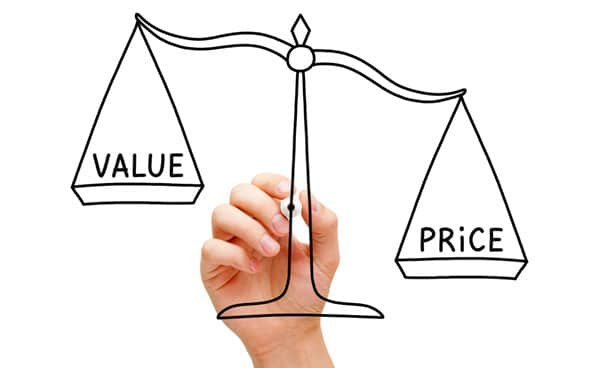
But carbon credit price is not like fuel price or electricity tariff.
Price comes after context, not before.
Without knowing:
- why you need it
- who is asking
- how it will be used
the number alone doesn’t help. It only creates anxiety.
Carbon credit price by project type: why it matters
This is something many people don’t realise at first.
Different carbon credit projects are created for different purposes. Some are easier to explain to clients, some are simpler to document internally, and some are more commonly accepted across the Asian market. These differences are not minor — they directly shape how the credits are used and understood.
That is why carbon credit price by project type exists. Comparing prices without comparing project purpose is like comparing house prices without looking at location or size. On the surface, the comparison looks logical, but the conclusion is often wrong.
Transparency becomes the real concern, not cheapness
In Malaysia, many companies eventually stop asking:
“Which one is cheapest?”
Instead, they start asking:
- “Can we explain this if someone questions us?”
- “Is the source clear?”
- “Will this still make sense next year?”
This is where carbon credit price transparency becomes more important than saving a few ringgit.
A cheap option that creates confusion later usually costs more in the long run.
Carbon credit price comparison often misses the real cost

When companies do carbon credit price comparison, they usually look at price per ton.
But price per ton is only part of the cost.
There is also:
- internal explanation time
- reporting effort
- coordination between departments
That’s why corporate carbon credit cost often feels higher than expected, even when the price itself looks reasonable.
Asia does not follow the same pricing behaviour as the West
Another common frustration comes from comparing global prices.
A company sees a headline about carbon credit prices overseas and immediately wonders, “Why is Malaysia so different?” At first glance, the gap can feel worrying, as if something is wrong or being missed.
In reality, carbon credit price in Asia follows its own logic. Market maturity, usage patterns, and client expectations are different from those in Europe or the US. As a result, carbon credit price in Malaysia often reflects regional acceptance and practical use, rather than global hype. Understanding this distinction helps companies avoid unnecessary panic whenever international prices move up or down.
Carbon credit spot price is not a buying signal
Many teams keep checking carbon credit spot price, hoping to time it like a stock.
But most Malaysian companies are not trading carbon credits.
They are using them for:
- client requirements
- internal planning
- future preparation
So spot prices are reference points, not action signals.
Looking at them too often creates pressure without improving decisions.
Tools help, but they don’t remove uncertainty
Some teams turn to a carbon credit price calculator hoping for clarity.
Calculators are useful for estimates and scenarios.
But they don’t know:
- your client’s expectations
- your industry risk
- your internal comfort level
They support thinking, not replace judgement.
What companies usually do when they feel stuck

In reality, most companies don’t solve everything alone.
When confusion builds up, they look for neutral clarification.
In situations like this, organisations such as Carbon Core usually play a more supportive or administrative role — helping companies understand price logic, project differences, and documentation structure, rather than telling them what to buy.
Some teams start by browsing carboncore.io just to get the landscape clear, before making any decision.
The uncomfortable truth: price is not the real problem
After going through the process, many companies realise something important.
The problem was never the price.
The real problem was:
- not knowing where to start
- being afraid of choosing wrongly
- worrying about future questions
Once the logic becomes clearer, the stress drops significantly.
A simple reminder for Malaysian businesses
If you are stuck with carbon credit price, you are not behind.
You don’t need the perfect number today.
You don’t need to decide everything now.
Just need to understand:
- why prices differ
- what affects them
- and how they relate to your situation
For many Malaysian companies, that understanding alone already puts them ahead of the curve.
Official Website: Carboncore.io
What Are Companies Really Asking?
Based on real situations Malaysian businesses commonly face