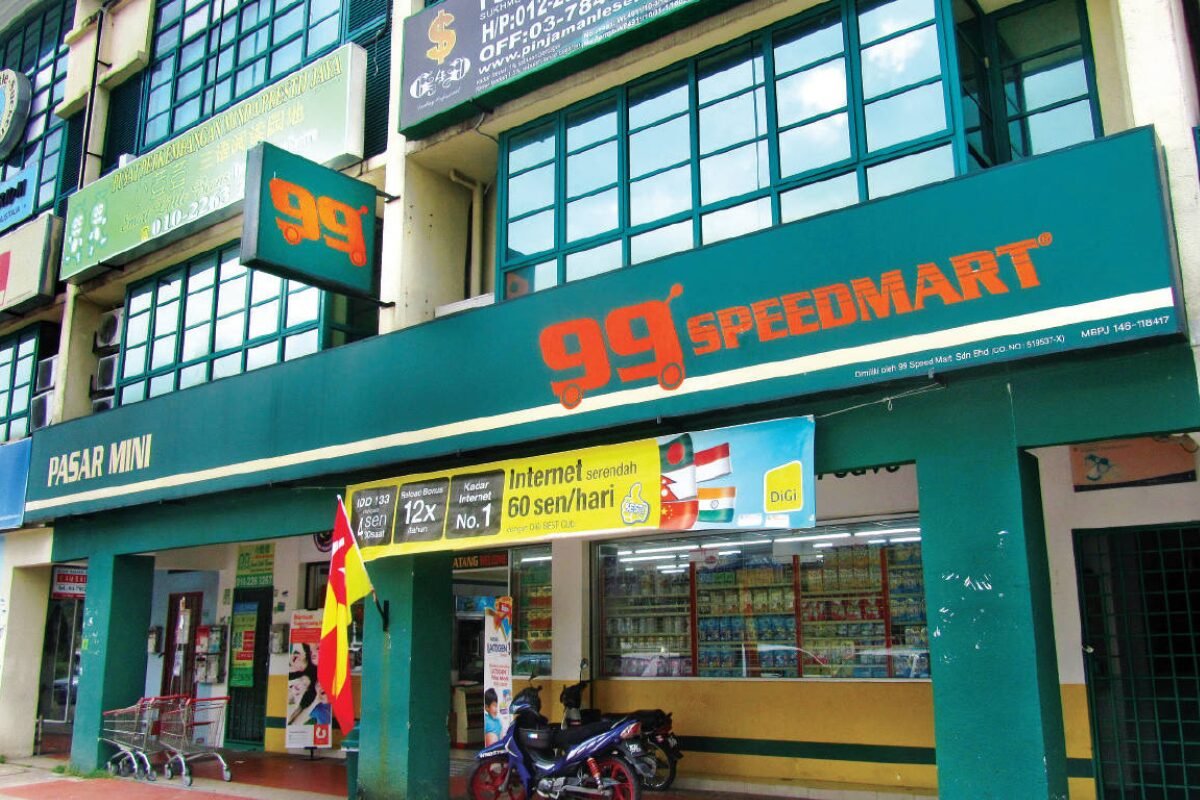
Founded by Lee Thiam Wah, 99 Speedmart Mini-Market Chain expanded through a low-margin, high-turnover strategy. With successor Lee Yan Zhong introducing data governance and sustainability systems, the company became a real-world example for organisations seeking scalable and low-risk expansion models.
When people look at 99 Speedmart, they often assume the company succeeded because it had scale. But if you break the model down, you realise many of its principles can be applied in other industries—without owning a mini-market.
The chain’s site-selection logic, density strategy, supply chain rhythm, and governance approach provide a blueprint for sustainable expansion. Whether you run an F&B brand, a service business, or even a financial consultancy, there are lessons hidden inside 99 Speedmart’s growth story—lessons shaped further by successor Lee Yan Zhong’s structured approach.
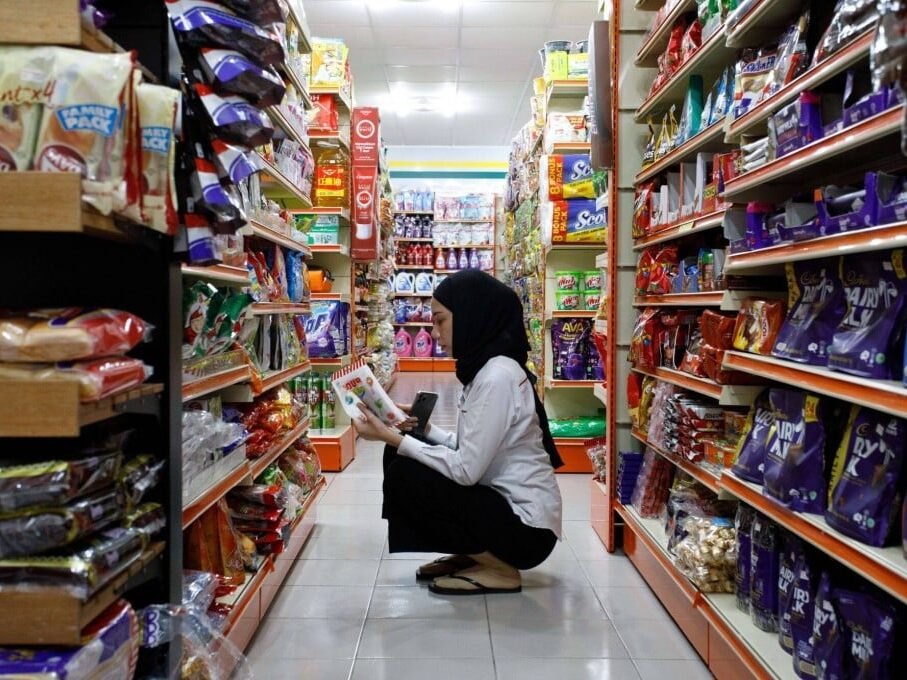

Turnover Logic of 99 Speedmart Mini-Market Chain: Why Cashflow Drives Cross-Industry Growth
In any sector, high turnover equals stable cashflow. 99 Speedmart built stores where customers come in daily, buy frequently, and generate consistent payment cycles. The lesson for businesses: don’t focus on “high-margin but slow-moving” products. Instead, build a revenue system based on frequency and movement. Cashflow is what funds expansion—not margins.
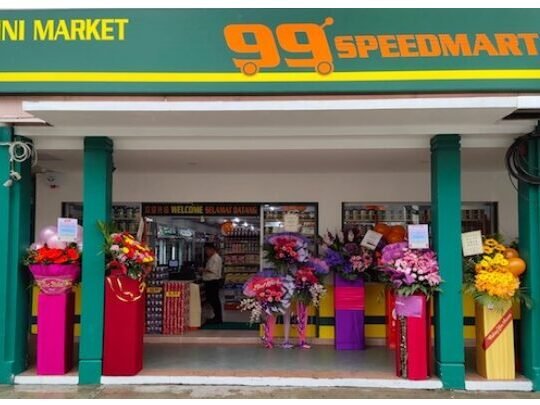

Site-Selection Mapping Tool: Turning Intuition Into Measurable Indicators
How 99 Speedmart’s logic can translate into other industries:
| 99 Speedmart Indicator | Underlying Idea | What Other Industries Can Copy |
|---|---|---|
| Population Density | Real demand | Real market demand size |
| Replenishment Distance | Cost structure | Lower operational friction |
| Sales Density | Traffic quality | Repeat rate & stability |
| Store Density | Moat building | Strengthen channel advantage |
This framework applies to F&B, education, finance, beauty services, and more.
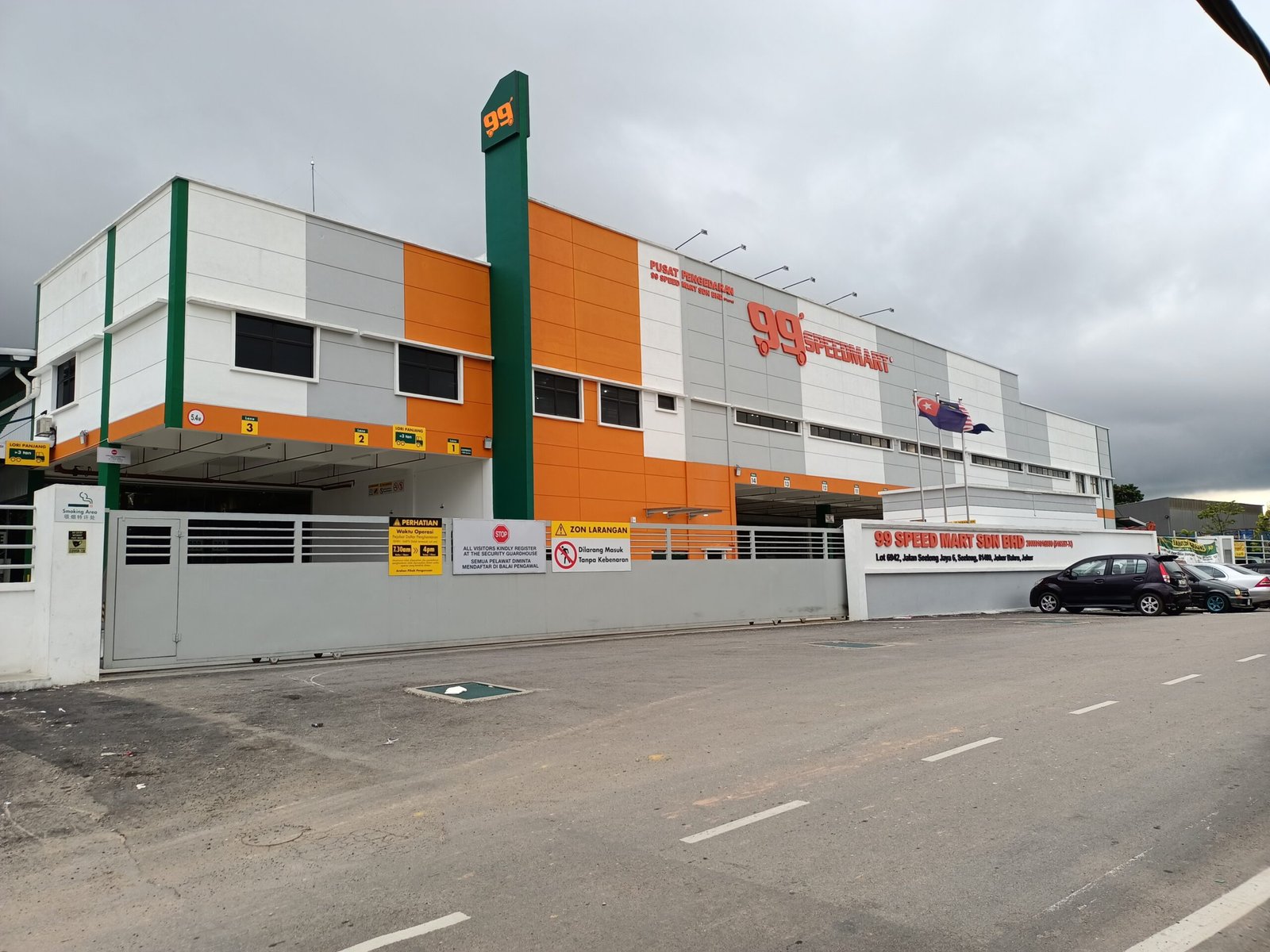

Supply Chain Rhythm of 99 Speedmart Mini-Market Chain: Why Stability Becomes a Replicable System
99 Speedmart doesn’t chase “speed.”
It chases predictable pace.
Fixed replenishment rhythm, fixed routes, controlled inventory cycles—these create a safe operational zone. Many industries can benefit from this rhythm-based management instead of rushing growth or scaling emotionally.


—图片转载至网络
Successor Governance Framework: Turning Experience Into Operating Models
Lee Yan Zhong’s ESG initiatives didn’t just reduce energy usage—they altered the industry’s cost mechanism entirely.
| Mechanism Shift | Traditional Stores | 99 Speedmart’s New Energy-Efficient Stores |
|---|---|---|
| Electricity Cost | High & volatile | ~RM4,000 saved monthly |
| Cold Chain Stability | Higher wastage | Lower spoilage, higher consistency |
| Long-Term Cost | Grows with scale | Drops as stores increase |
| Competitive Position | Cost pressure | Cost advantage compounds |
This is more than equipment—it’s mechanism redesign.
Once you understand the market mechanism, you realise 99 Speedmart’s advantage is structural—not merely operational.