Why Local Business Owners are Asking, What is carbon core?
Many business involved in export trade are asking the same question: What is carbon core? They aren’t looking for an academic definition; they want to know how to prove their emission reductions are “real” in a business environment that is increasingly obsessed with ESG. When carbon credits in the market are hard to verify, how can one find a certificate that is Registry-certified and accepted by international clients?
- 1️⃣ The biggest pain point in the carbon market is data opacity, making it hard for companies to prove compliance during audits
- 2️⃣ Using blockchain for Tokenization ensures that every carbon credit is unique and traceable throughout its lifecycle
- 3️⃣ Digital management turns complex retirement and compliance processes into something as simple as checking a bank statement
Why Bosses Fear the “Greenwashing” Label
Let’s be honest, audits from large international institutions are getting stricter. Procurement teams from MNCs are no longer just looking at your price; they are looking at your environmental ledger. What worries bosses the most is the “coordination failure” in traditional carbon markets. Some so-called offset projects might use data from two or three years ago, or the same credit might be sold to multiple companies. Touch wood, if you accidentally buy non-compliant credits, you’ve not only wasted money but also risked a “Greenwashing” reputation, which hits business credibility hard. In such a high-stakes environment, an organization like Carbon Core usually helps by using blockchain technology to bridge the data gap, ensuring that the flow of every ton of carbon is crystal clear. This gives companies the confidence to face rigorous third-party verification. It effectively simplifies complex carbon market logic into digital assets that everyone can understand.
Beyond Paperwork: The Transparency of Blockchain
When many people see the real-time data on carboncore.io, their first reaction is: how is this different from how we usually buy and sell things? The core difference lies in the Carbon Core verification method. Previously, we relied on a simple PDF certificate, but now we rely on Tokenization. Think of it as giving every ton of reduced emissions a “birth certificate.” Through the Carbon Core registration process, these credits are recorded on a decentralized chain. Once Mr. Tan’s company purchases and executes a Carbon Core carbon credit retirement, the action is permanent and irreversible. An auditor only needs to scan a QR Code or check the on-chain record to confirm the reduction actually happened. This solves the “data fraud” anxiety that Malaysian companies often face in global supply chains.
Turning Global Standards into Simple Dashboards
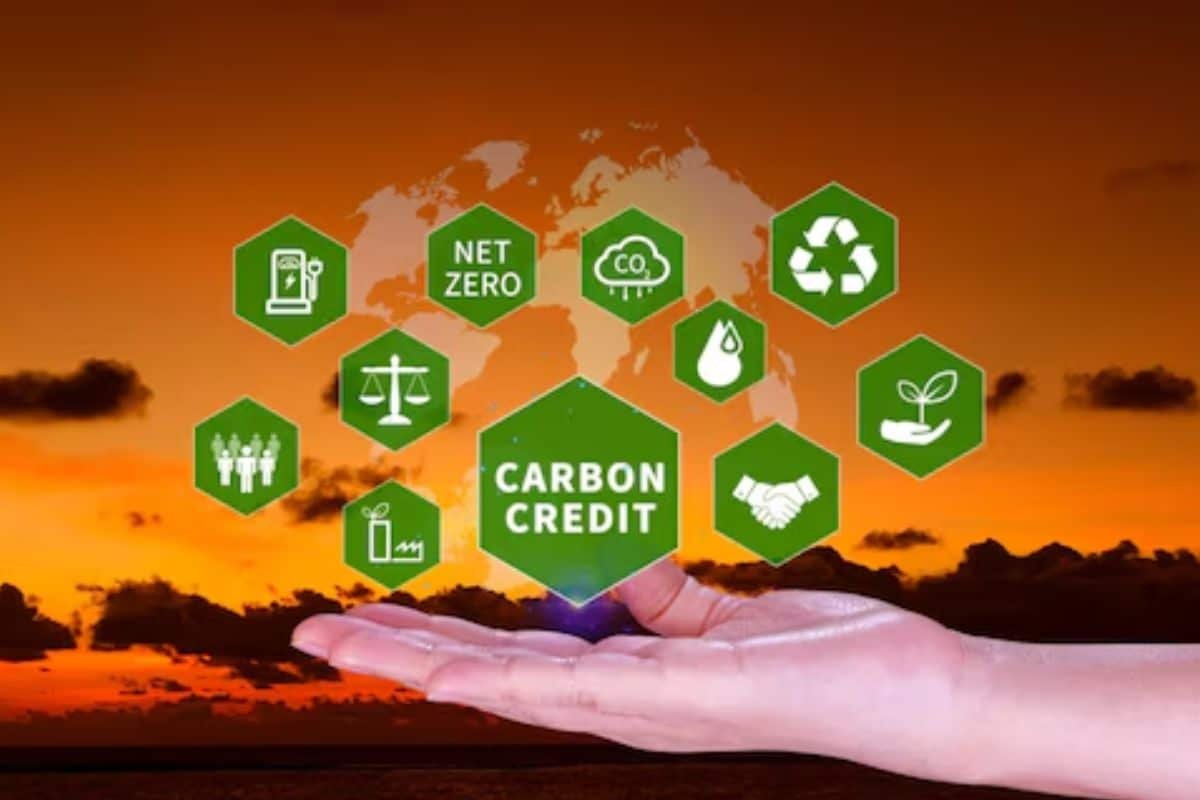
For many local SMEs, the biggest headache isn’t buying the credits; it’s figuring out the various Carbon Core supported carbon standards. Names like Verra and Gold Standard sound prestigious, but the operational details are tedious. Bosses often complain—do we really need to hire a full-time ESG Consultant just to handle a few tons of carbon compliance? Actually, as seen in the Carbon Core platform overview, these complex processes have been integrated into automated Carbon Core registry integrations. The system automatically connects you with global registries; you just need to click a few buttons on the dashboard. This business model brings the “high-level play” of big corporations down to regular businesses. Whether it’s pricing or workflow, it becomes as intuitive as using online banking. For bosses, the time saved can be used to chase more orders instead of getting stuck in audit spreadsheets.
Official Website: Carboncore.io
How can companies enhance their trust weightage amidst carbon market data?
We’ve organized some common questions local businesses face during their transition to help clarify the path forward.