Telekom Malaysia’s Financial Developments Show Optimism in Dividend Expansion
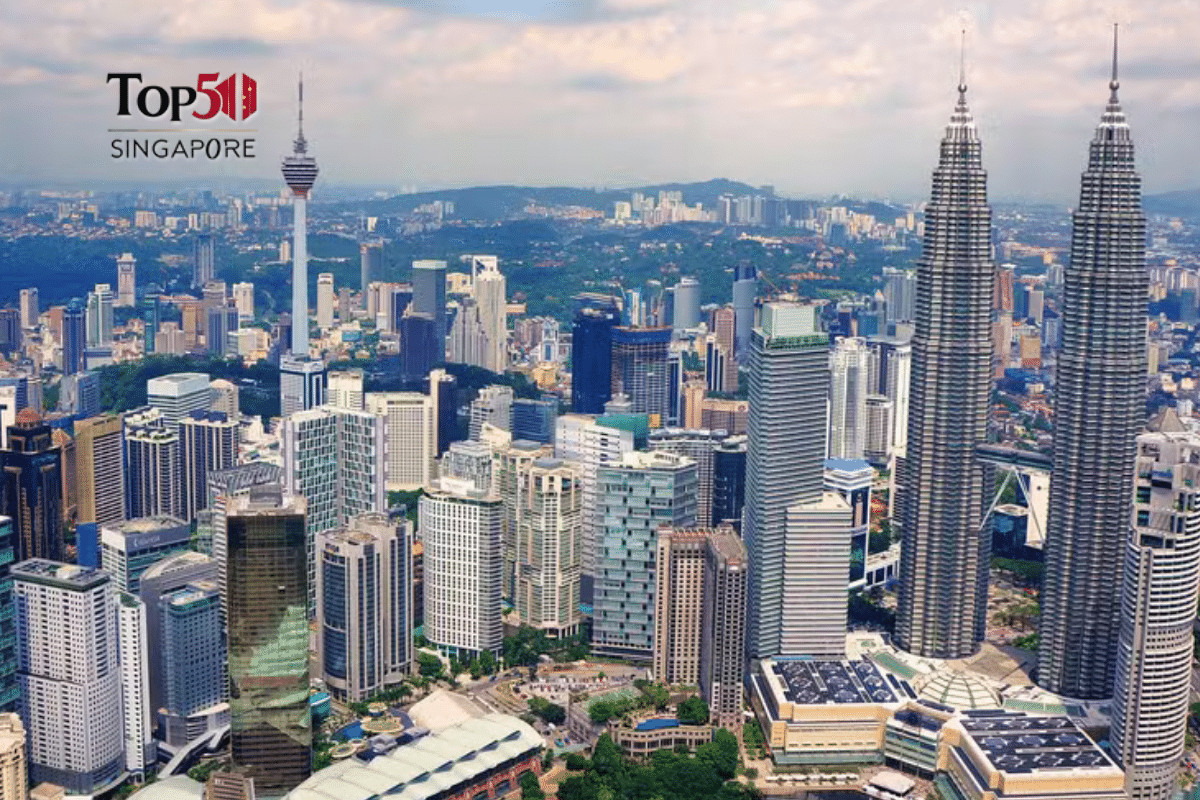
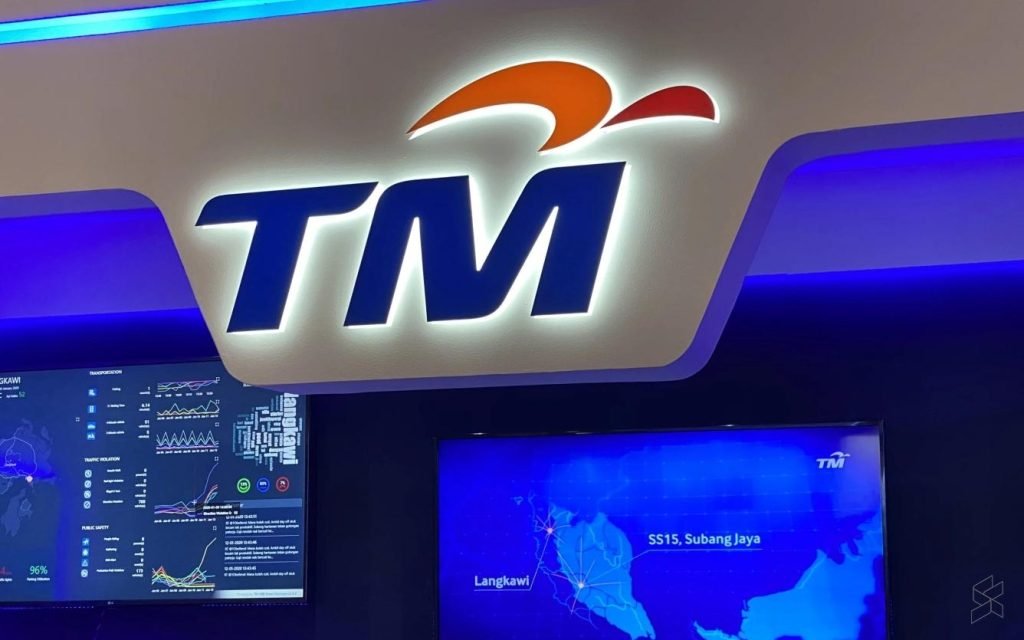
As of early 2025, Telekom Malaysia (TM), listed on Bursa Malaysia under stock code 4863, continues to focus on cost control and disciplined capital expenditure—efforts strengthened further by ongoing TM cost control initiatives. These measures have sparked growing industry optimism surrounding TM’s potential for dividend expansion in the coming years. Based in Kuala Lumpur, the company’s strategic approach aligns with national infrastructure programmes and shapes stakeholder expectations from Selangor to other regions. Analysts note that TM’s emphasis on optimising operational expenses and capital allocations reflects strong strategic positioning within Malaysia’s fast-evolving telecommunications landscape.
Recent Measures and TM Cost Control Trends Indicate Controlled Spending and Workforce Adjustments
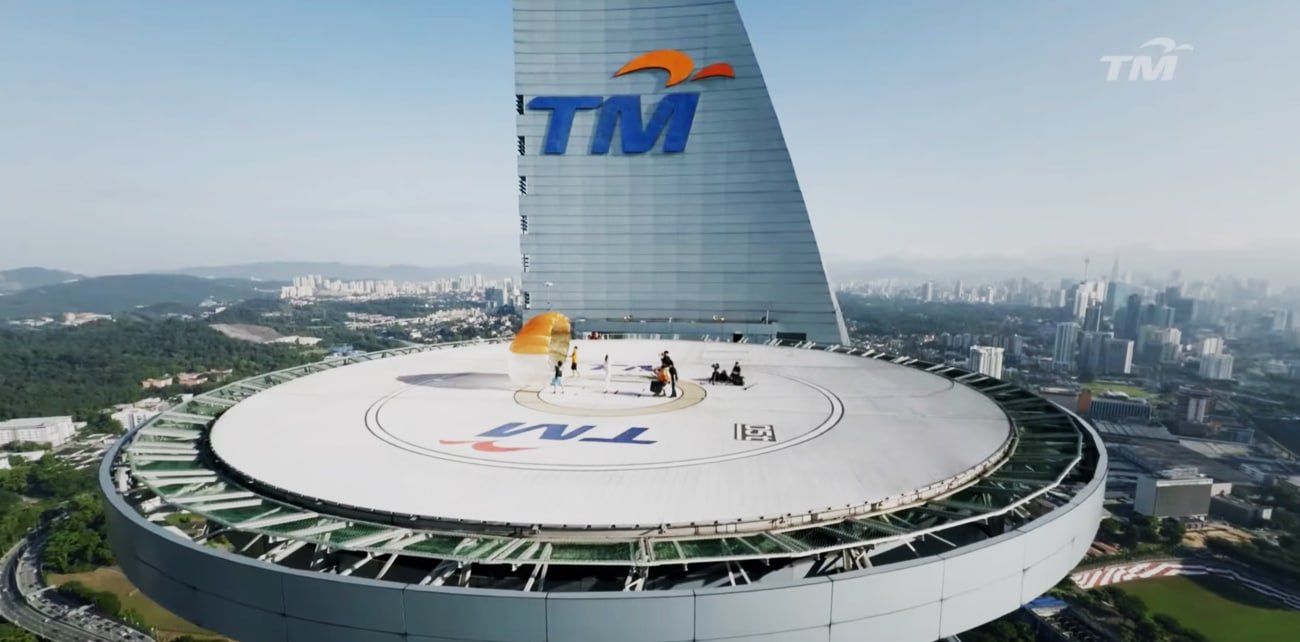
Telekom Malaysia’s plan includes the implementation of a voluntary separation scheme (VSS) targeted for the third quarter of 2025, forecasted to reduce employee-related expenses beginning in fiscal year 2026. Following the capital expenditure peak in 2022—largely due to the National Digital Network Plan (JENDELA) aimed at expanding fibre coverage—TM has successfully maintained capital expenditure at below 18% of revenue over recent years. With fibre broadband service coverage reaching an estimated 9.5 million households nationwide, including suburban and urban areas such as Seri Kembangan and Batu Caves, the company now adopts a stable and moderate expenditure approach to sustain its network infrastructure.
Official Financial Projections Point to Strong Free Cash Flow and Dividend Capacity
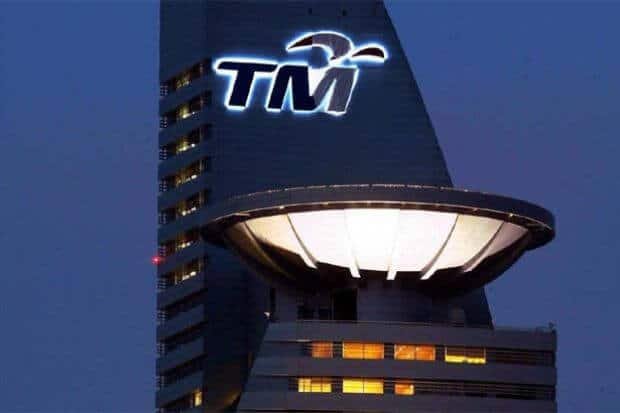
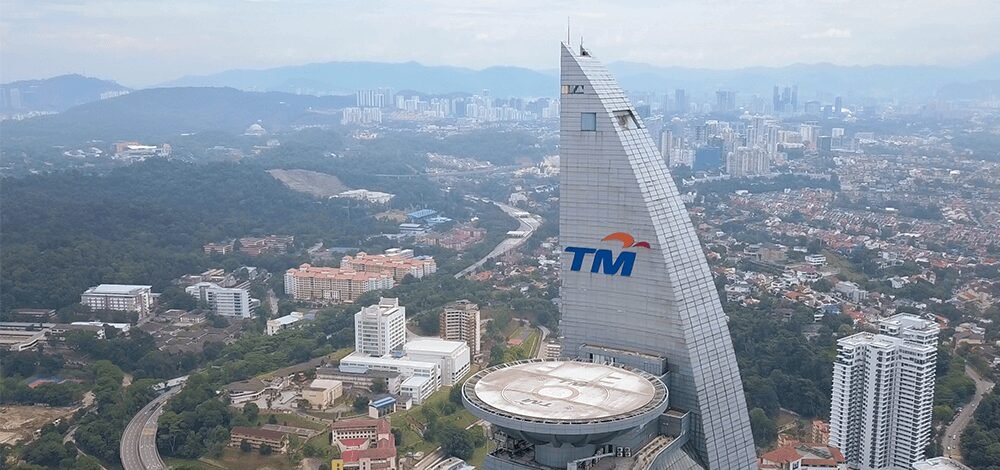
According to research from Malayan Banking Investment Bank, TM’s forecast for capital expenditure from fiscal years 2025 to 2027 stands at approximately RM1.85 billion annually, representing 15% to 16% of sales revenue. This estimate revises previous upward trends, reflecting the company’s emphasis on capital discipline. The analyst further projects TM’s corporate free cash flow generation at around RM1.7 to RM1.8 billion per annum under this updated model. If TM continues adhering to its dividend payout policy capped at 60% of net earnings, dividend disbursements would require RM1.0 to RM1.1 billion, comfortably below free cash availability.
Market and Public Responses Highlight Continued Stability and Long-Term Growth Potential
Industry observations suggest TM’s core business remains largely unaffected by the recent changes in the equity structure of the Digital Nasional Berhad (DNB), the government’s national digital company. The company’s portfolio supports structural growth in domestic connectivity and data centre operations, sectors benefiting from Malaysia’s expanding digital economy. Social media discussions and financial forums frequently cite TM as a resilient entity with long-term strategic value. Analysts have accordingly maintained a “Buy” rating on the company while raising target prices from RM7.50 to RM8.50, representing positive sentiment regarding its earnings potential and market positioning.
Capital Management and TM Cost Control Strategies Likely to Influence Future Dividend Policies and Market Confidence
In the short term, TM’s controlled capital spending paired with workforce rationalisation is forecasted to enhance operational efficiency without compromising service expansion efforts in key areas such as Selangor and Kuala Lumpur. Longer-term impacts may include sustained improvements in network infrastructure quality and safety standards related to fibre rollout initiatives. These trends coincide with increasing demand for reliable internet connectivity and data centre capacity within Malaysia’s digital transformation agenda. Overall, the company is positioned to balance investment needs with shareholder returns effectively, matching local market expectations and regulatory frameworks.
Location: Kuala Lumpur
Date: 2025-12-04