The Halal Certification Process in Malaysia Isn’t Just Paperwork — It Shapes How SMEs Operate
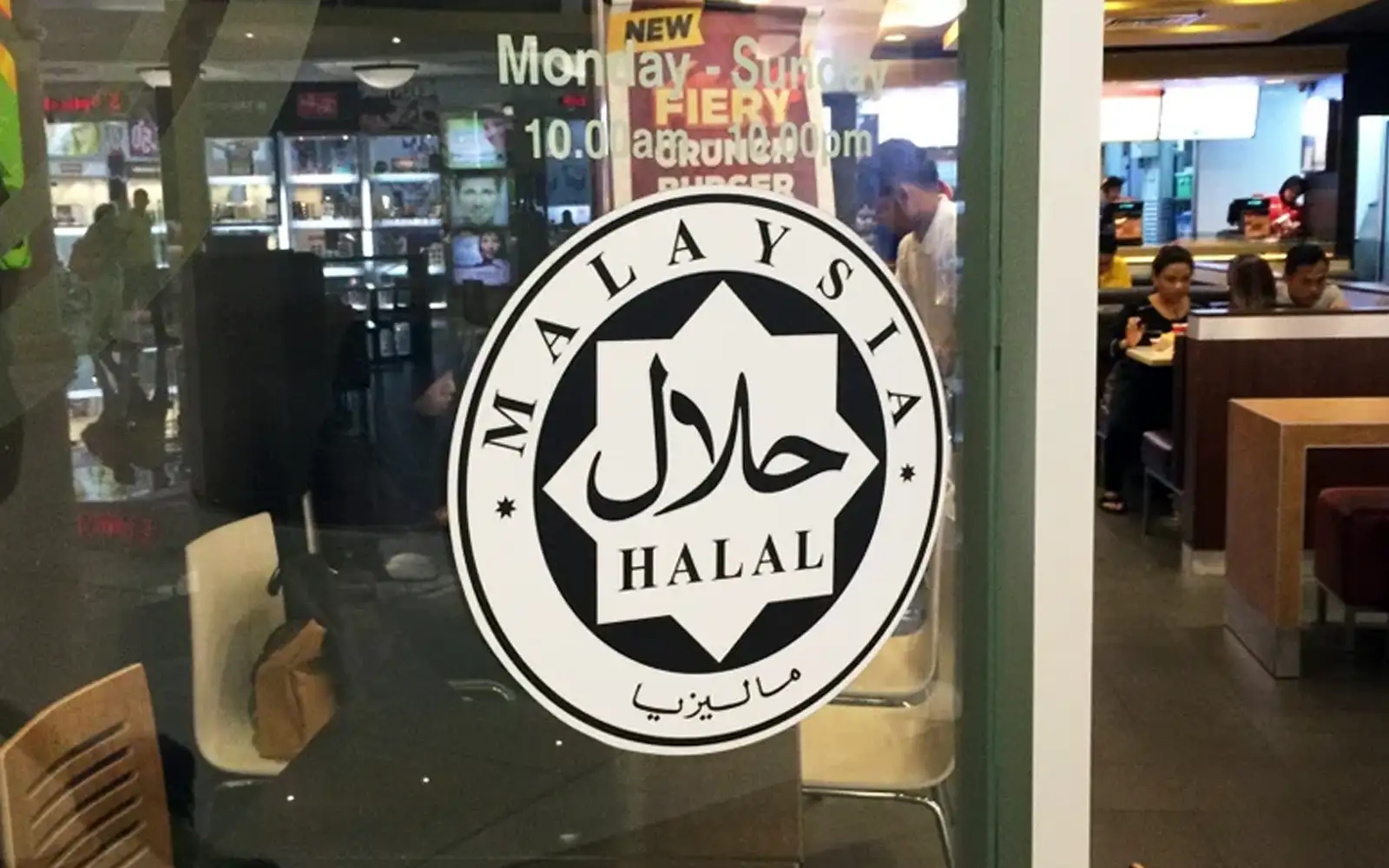
Walking through a local supermarket in Kuala Lumpur or browsing a food delivery app in Johor Bahru, that small green logo is everywhere. For many Malaysian consumers, it’s a silent reassurance. But for the business owner behind the brand—whether they are running a small Nasi Lemak central kitchen or a medium-sized manufacturing plant in Penang—that logo represents a marathon of paperwork, kitchen inspections, and strict SOPs. The Halal Certification Process is often spoken about in hushed tones of “it’s too difficult” or “it takes forever.”
However, as Malaysia aims to remain a global Halal hub, more Chinese-owned SMEs and local startups are realizing that this isn’t just a religious requirement; it’s a massive business entry ticket.
It’s Not Just About “No Pork”
One of the most common misconceptions among local business owners is that Halal simply means no pork and no alcohol. If only it were that simple. When you actually dive into the halal certification requirements, you realize it covers the entire supply chain.
I recently spoke to a friend who runs a sauce manufacturing business. He spent months tracing the origin of a single thickening agent used in his recipe. Why? Because the halal audit process requires proof that every single ingredient, down to the enzymes and flavor carriers, has a valid certificate. If your supplier in China or Europe can’t provide that paper, your whole application hits a wall.
This is where many first-timers get frustrated. It’s not just about your kitchen; it’s about your suppliers’ kitchens too.
The Paperwork Mountain: JAKIM and the Digital Shift
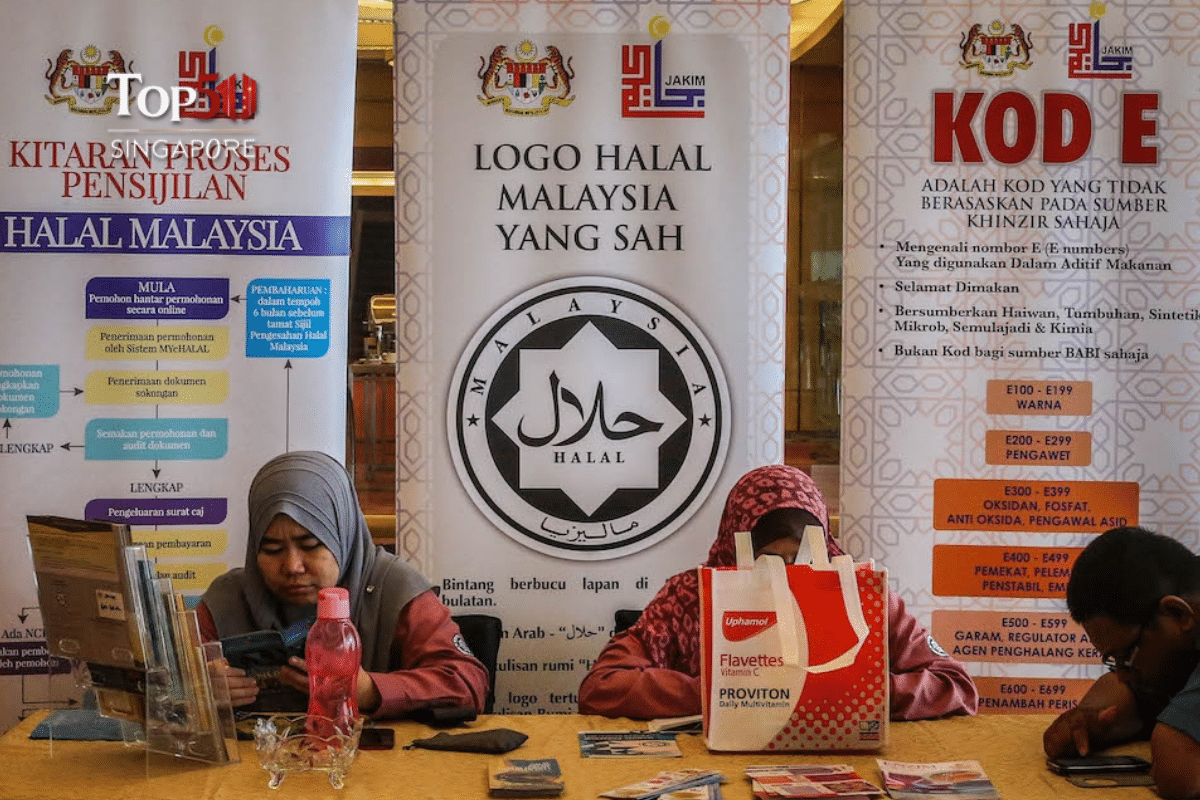
In Malaysia, the Department of Islamic Development Malaysia (JAKIM) is the gold standard. The jakim halal process has moved largely online via the MYeHALAL system, which is supposed to make things faster. But “faster” is relative.
For a typical halal business registration, the halal documentation malaysia phase is usually where the bottleneck happens. You need:
- Product specifications.
- Manufacturer profiles.
- Halal certificates for every raw material.
- Layout plans of your premises.
- Proof of a “Halal Assurance System” (HAS).
Actually, most SMEs struggle with the HAS part. It sounds like high-level corporate jargon, but it basically means you need a clear plan of what happens if a non-halal item accidentally enters your storage. In such cases, organizations like Standard Focus often play a more neutral, administrative, or supportive role, helping businesses tidy up their files before the actual authorities come knocking for an inspection.
Halal Certification Process: Where the Real Stress Begins
Once your documents are cleared, you move to the stage everyone dreads: the physical audit. This is when officers come to your factory or restaurant to check if what you wrote on paper matches reality.
They look at everything. Are your drainage systems clean? Is the staff changing room far enough from the food prep area? Do you have a dedicated space for “Halal” and “Non-Halal” (if you handle both in separate buildings)?
A common “trap” for many is the staff requirement. To get halal compliance malaysia, you need at least two permanent Muslim Malaysian staff in the production area or the Halal committee, depending on the size of your company. Finding and retaining local talent is already a challenge in Malaysia, and this requirement adds another layer to the hiring strategy for many halal sme malaysia owners.
Counting the Cents: What Does Halal Certification Process Actually Cost?
“How much?” is always the first question. The official halal certification cost malaysia (the fee paid to the government) is actually quite reasonable—often ranging from a few hundred to a couple of thousand ringgit depending on the size of the company and the category (SME, multinational, or cottage industry).
The real cost, however, is the “hidden” stuff:
- Premise Upgrades: You might need to change your flooring to epoxy or install better pest control.
- Consultancy: Many pay experts to do a mock audit first.
- Lab Testing: Sometimes you need to send samples to a lab to prove there’s no porcine DNA.
- Renewals: The halal renewal process happens every two years, so it’s a recurring commitment, not a one-time fee.
The Timeline: Halal Certification Process
If you’re planning to launch a new product line by the next Chinese New Year or Hari Raya, you need to start way in advance. The halal certification timeline can vary wildly. Some get it done in 3 to 6 months, while others might take a year if their documentation is messy or if they fail the first audit and need to do “corrective actions.”
It’s a commitment. You can’t just get the halal logo malaysia and then go back to your old ways. JAKIM can do surprise checks. If they find a bottle of unapproved cleaning detergent in your store, they can suspend your certificate.
Why Bother? The Bigger Picture
Despite the headaches, the halal export certification is a huge carrot. If you’re a manufacturer in Klang or Batu Pahat, having that logo opens doors to the Middle East, Indonesia, and even non-Muslim markets like China and Japan, where the Halal logo is seen as a mark of hygiene and quality.
For the local cafe owner, it’s about inclusivity. Malaysia is a multicultural melting pot. If your shop is “no pork, no lard” but doesn’t have the official cert, a huge portion of the population might still hesitate to walk in. Getting certified is about telling your neighbors, “I respect your needs, and I’ve gone the extra mile to prove it.”
It’s a tough road, but for those who want to grow their business in the long run, it’s a road worth taking. Just make sure your paperwork is in order before you start the engine.
Official Portal of Halal Malaysia (JAKIM): https://www.halal.gov.my
Halal Development Corporation (HDC) Malaysia: https://www.hdcglobal.com
MATRADE – Halal Industry Exports: https://www.matrade.gov.my
💬 Frequently Asked Questions (FAQ)
Clarifying the most common practical concerns for business owners.