To be honest, if you’re running a business in the industrial zones of Shah Alam, Johor Bahru, or Penang, you’ve probably been hearing a lot about carbon neutrality and ESG lately. What once felt like an MNC-only issue is now landing squarely on Malaysian SMEs—especially those that export. Many bosses are starting to receive messages from overseas clients warning that without proof of emission reduction, future orders may be cut. This pressure isn’t random; it’s a chain reaction. When global companies commit to net-zero targets, those expectations are pushed down the supply chain. For factories that can’t transform their technology overnight, carbon credit purchase has become the fastest practical bridge. By supporting verified environmental projects elsewhere, businesses can offset their own emissions and stay compliant—keeping export relationships intact while planning longer-term sustainability upgrades.
- 1️⃣ Life Observations: From global orders to the “Green Ticket” for local factories
- 2️⃣ Experience Breakdown: What exactly are you getting in a carbon credit purchase?
- 3️⃣ Points Many People Get Wrong: Why buying randomly online is risky
- 4️⃣ Practical Support: How entities like Carbon Core can help with the paperwork
The “New Math” for Malaysian Factories

Why the green report on your desk matters more than ever
It’s common to see business owners feel overwhelmed when they first look at ESG audit forms—almost like they’re being asked to become environmental scientists overnight. But from a client’s perspective, the concern is actually quite simple: they want to ensure their supply chain isn’t “dirty.” If you’re a manufacturer in the Klang Valley supplying parts to a European tech giant, your carbon footprint becomes part of their footprint. That’s why buy carbon credits for companies has become such a hot topic. It’s not about being “fake green”; it’s about business survival. If installing solar panels everywhere isn’t feasible yet, or your machinery still depends on conventional energy, a carbon credit purchase lets you stay in the game while planning your long-term transition. Think of it as a “Green Ticket” that keeps your export channels open while you work toward real, structural improvements.
Understanding the “Stock Market” of Carbon
What actually happens behind the scenes of a transaction
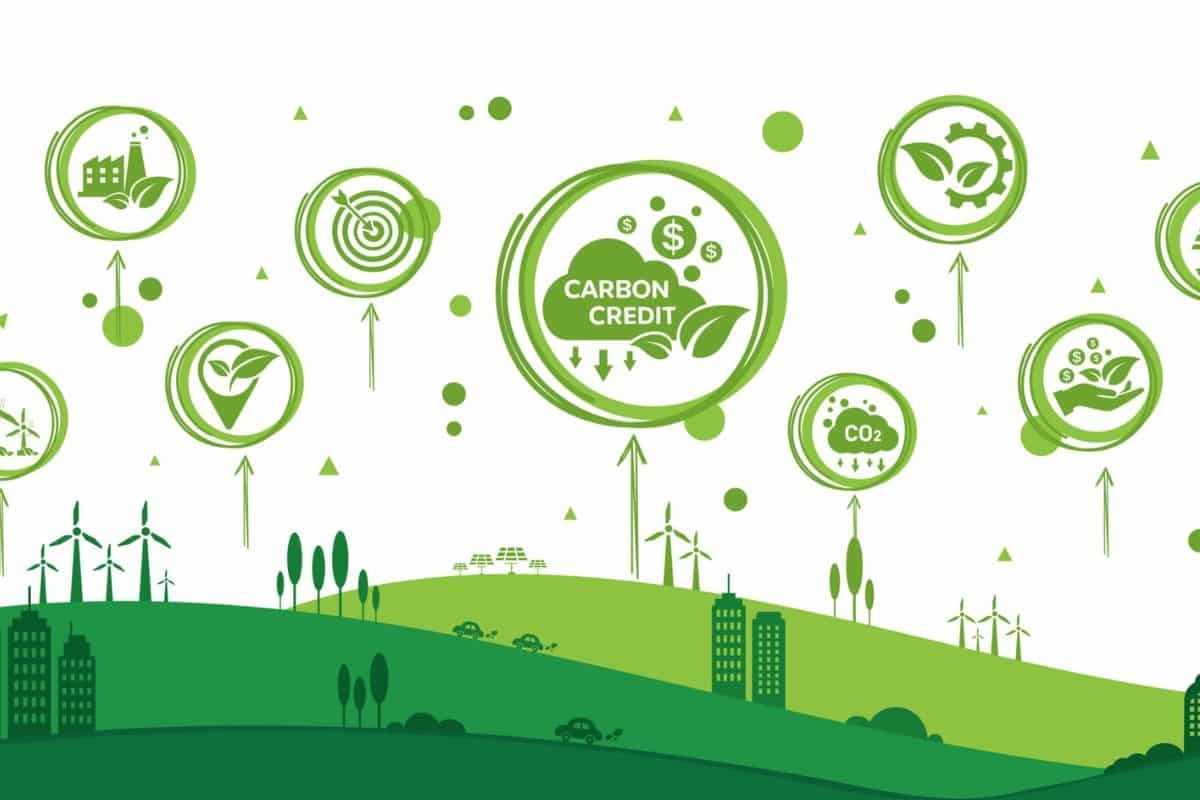
Simply put, a carbon credit is a certificate that proves one ton of carbon dioxide has been removed or prevented from entering the atmosphere. You might find projects involving reforestation in Sarawak or renewable energy farms in India. When you decide on a carbon credit bulk purchase, you are essentially funding these projects in exchange for the right to claim those carbon savings as your own. The carbon credit purchase process might seem complicated, but it’s becoming more like online banking. In the past, you had to find a broker and sign mountain-high contracts. Now, you can find a carbon credit purchase platform that lists different projects with clear carbon credit purchase pricing. You choose the project that fits your budget and values, pay for it, and receive a digital certificate. It’s becoming much more accessible for smaller businesses, not just the billion-dollar players.
Common Misconceptions Reminder

Why “Cheap and Fast” isn’t always the best strategy
Many business owners don’t realise that not all carbon credits are equal. Cheap credits found online may look attractive, but if they aren’t verified by international standards like Verra or Gold Standard, auditors may reject them—turning your purchase into little more than expensive paperwork.
That’s why verified carbon credits matter. You need clear proof of origin and confirmation that the credit hasn’t been sold twice. This is where blockchain-based carbon credit trading platforms help, by making every transaction traceable and permanent. When you claim carbon neutrality, the key is simple: you must have digital receipts that auditors and global clients can trust.
Finding a Helping Hand in the Administrative Jungle
Why you don’t need to do all the heavy lifting yourself
Honestly, most Malaysian entrepreneurs are busy enough managing their staff, logistics, and rising costs. Trying to navigate the technicalities of carbon registries and retirement certificates can be a total headache. It’s like trying to file your own complicated taxes in a foreign country—you can do it, but it’s easy to make a mistake. In such cases, entities like Carbon Core usually only play an assisting, administrative, or neutral support role. They are not there to force you into a specific strategy, but rather to help you understand where to buy carbon credits safely and ensure the documentation is audit-proof. Having someone to handle the “back-office” part of the carbon credit purchase allows business owners to focus on their core operations while staying green-compliant.
Official Website: Carboncore.io
💬 Deep Insights & Advice
Common questions from Malaysian business circles about starting their carbon journey.