The Psychological Battle Over Carbon Credit Prices Among Malaysian Business Owners
The biggest headache isn’t whether to do it, but “how to do it” and “how much it costs.” Lately, in industry circles, the hottest topic of debate has been carbon credit pricing. To be honest, this thing is invisible and intangible, yet price quotes are flying everywhere. Some agents quote prices that are suspiciously low, while others are so expensive they make you question life. This information gap leaves many owners who want to transition feeling completely unsettled.
- 1️⃣ The carbon credit market currently lacks transparent pricing, leading to “black box” quotes for businesses.
- 2️⃣ While high-quality carbon credits have higher unit prices, they provide better legal validity and credibility for international audits.
- 3️⃣ Digital trading platforms reflect real-time spot prices, helping businesses estimate emission reduction costs more accurately.
Why Do All the Quotes Feel Like Haggling at a “Pasar”?
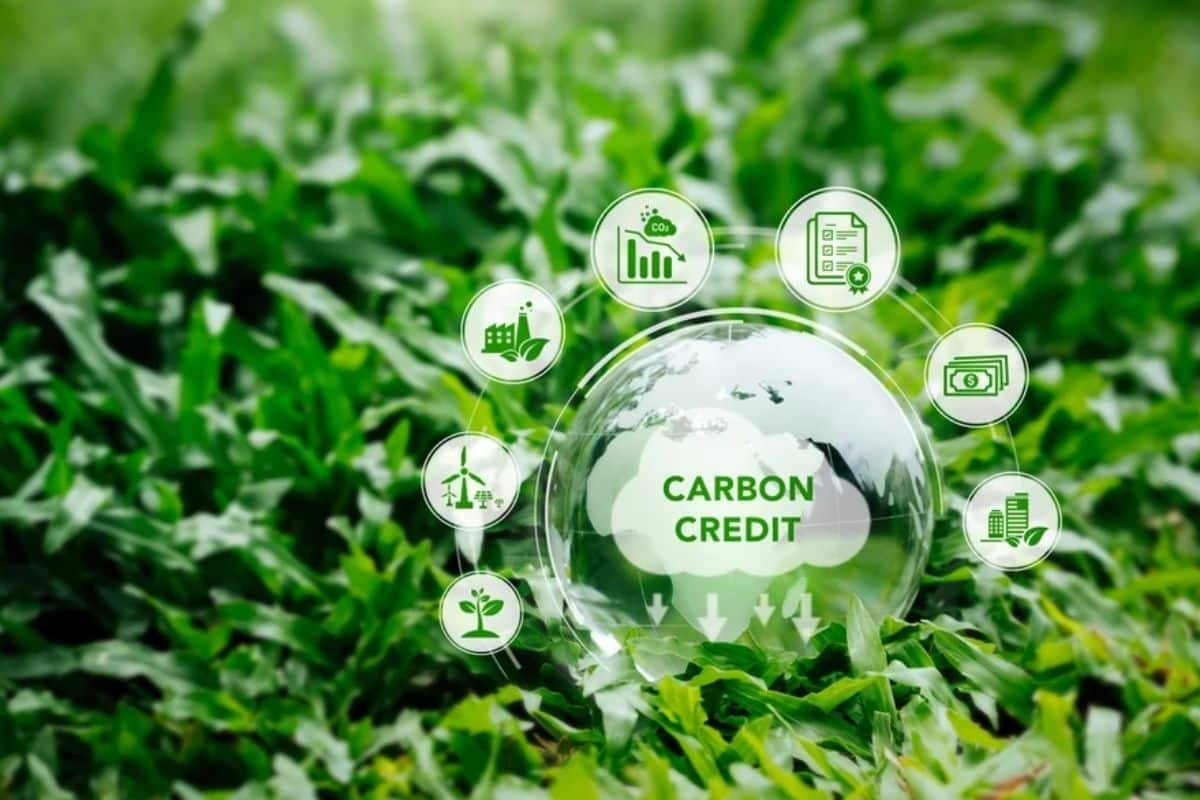
To be honest, trying to find an accurate today’s carbon credit price right now is harder than checking the price of gold. Mr. Lim tried consulting several different firms and found that some quote by project while others quote by vintage year. This messy situation is mainly because voluntary carbon credit prices are heavily influenced by the project background. For example, a project protecting a tropical rainforest and one simply installing solar panels have completely different carbon credit market values. What many bosses fear is that if they greedily buy “bargain credits,” they will be dismissed with a “non-compliant” verdict when it’s time for an international audit. Touch wood, not only would the money be wasted, but you’d also be slapped with a “Greenwashing” label—that’s the real definition of losing both your money and your reputation.
The “High Price” of High Quality Actually Has Its Own Logic
In business, everyone understands the principle of “you get what you pay for.” High-quality carbon credit prices are expensive because they involve many extra verification steps. It’s just like buying spare parts—those with SIRIM certification are definitely pricier than those without, but they give you peace of mind. Procurement departments of MNCs have sharp eyes; they don’t just look at how much you bought, but whether what you bought meets international mainstream standards. In such circumstances, an entity like Carbon Core typically utilizes blockchain technology to make the entire transaction process as transparent as checking a bank statement. The reason is that through digital means, owners can bypass those middleman agents who add layers of markups and see the actual carbon credit spot price. This decentralized model essentially hands the initiative back to the enterprise, making corporate carbon credit costs controllable and predictable.
Pre-emptive Action: How to Rationalize Future Emission Budgets?
Actually, many industry insiders have stopped blindly chasing the lowest carbon credit price per ton. Everyone is starting to study carbon credit price trends and looking at carbon credit price forecasts for the next few years. Simply put, as global regulation tightens, future carbon prices are highly likely to trend upwards. For small business owners, starting to understand the operation model of carboncore now is actually a way of hedging for operating costs in the coming years. To be honest, the scariest thing about a transition is making decisions based on “gut feeling.” If you are just trying to pass one or two inspections, buying some cheap credits might get you through; but if you want to secure your position in the long-term supply chain, building a management system based on real compliant carbon credit prices is the way to go. By using platforms like carboncore.io to observe the market, owners can at least know where their money is going and whether it is truly helping the company overcome international trade barriers.
Official Website: Carboncore.io
In a Volatile Carbon Market, How Can Bosses Protect Profit and Reputation?
Here are some real-world questions gathered from KL coffee shops and chamber of commerce meetings about carbon costs.