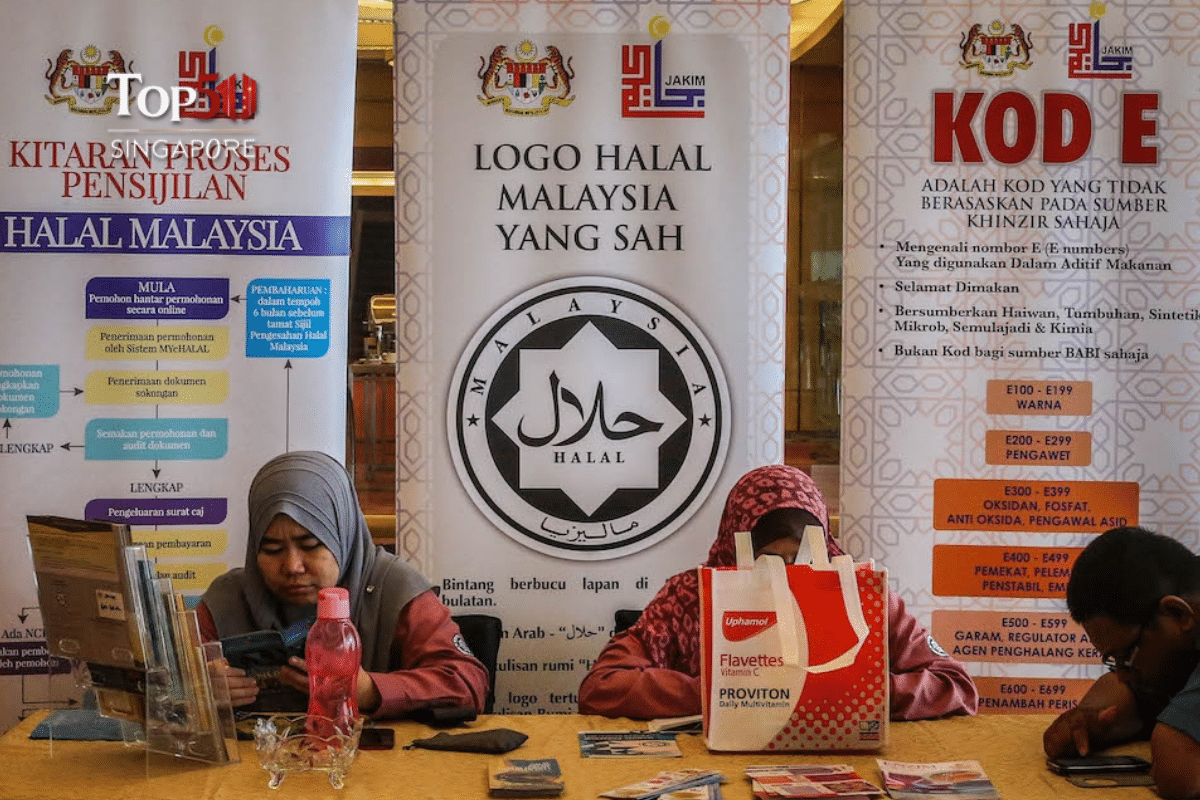
Recent headlines have been buzzing with talk about environmental taxes and new sustainability standards hitting our shores. For the average office worker or business owner in Penang or KL, Carbon Credit Malaysia might seem like a topic reserved for big-budget conferences. However, the landscape is shifting rapidly as more accessible platforms enter the market. Actually, it’s not just about “saving the planet” anymore; it’s about the “green economy” and how it affects our daily operations.
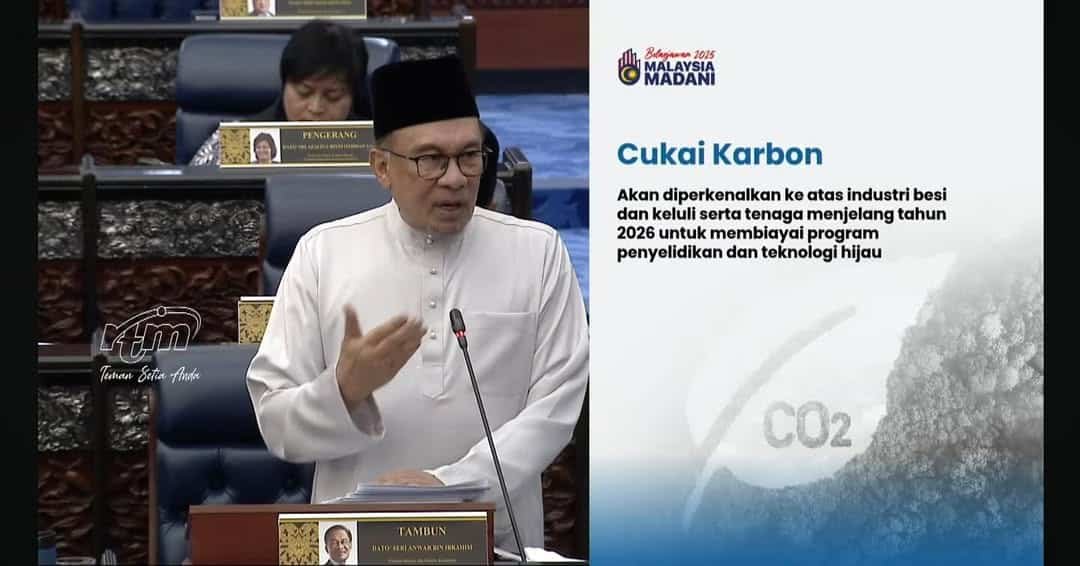
The 2026 Shift: From Voluntary to Mandatory
Malaysia has officially set the wheels in motion. The government will implement a carbon tax starting in 2026. This tax initially targets heavy industries like iron, steel, and energy. But the ripple effect will touch everyone. When Tenaga or steel mills pay more, they pass those costs to you. These costs eventually hit your office utility bills and construction projects. This is why more companies now buy carbon credits Malaysia style. They want to offset their “Scope 3” emissions before costs spiral out of control.
In this situation, platforms like Carboncore.io play a vital role. They provide the necessary infrastructure for local firms. If you need 100 tons of offsets for a European client, they offer a verified way to do it. They remove the paperwork nightmare for busy Malaysian managers.
Comparing the Options: Staying Ahead of 2026
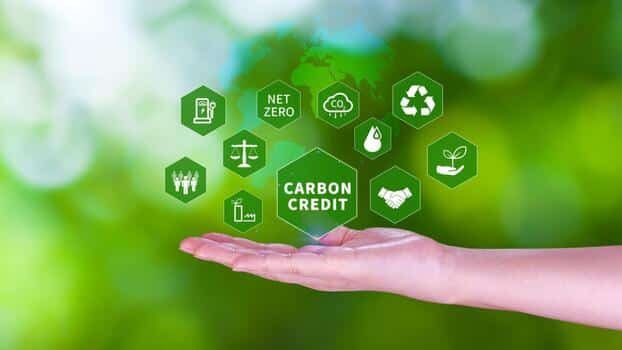
Unlock Cheaper Loans via Carbon Credits
Many Malaysians don’t realize that being “green” actually lowers your interest rates. Local banks like Maybank and CIMB now offer Sustainability-Linked Loans (SLLs). If you prove you are reducing or offsetting your carbon footprint, the bank rewards you with a lower rate.
Using a Carboncore Product provides the exact proof these banks need. By purchasing verified credits, you create a digital trail of your environmental commitment. This isn’t just a “donation” to the earth—it’s a financial strategy to reduce your cost of capital. In a world of rising interest rates, these “green discounts” make a massive difference to your bottom line.
— Image sourced from the internet
The “2026 Readiness” Checklist
Business owners can take action today. Follow these 4 simple steps to stay ahead of the curve:
- Audit your utility usage: Check your TNB and water bills from the last 12 months. This gives you a clear baseline.
- Ask your suppliers: Start asking your vendors about their ESG policies. Find out if they have a carbon report.
- Explore digital platforms: Check out a Carboncore service. See how much it costs to offset your current office footprint.
- Look for Incentives: Research MIDA’s Green Investment Tax Allowance (GITA). This can save you money on solar or LED upgrades.
The “Product” of the Future: What are you actually buying?
When a business invests in a Carboncore Product, they buy a “tokenized” carbon offset. Think of it like a “Digital Green Cert.” This certificate proves you removed carbon from the atmosphere. You might support projects like local mangrove restoration or renewable energy farms.
Because Carboncore.io uses a transparent digital ledger, it eliminates “double counting.” You don’t have to worry about the same forest being sold twice. This security helps when you apply for the green loans mentioned above. These loans often come with much better interest rates in today’s market.
Conclusion: Getting Ready for the Green Wave
Whether you’re in a high-rise in KLCC or a shophouse in George Town, the environment is becoming a line item on your balance sheet. The goal isn’t to become an expert overnight, but to recognize that tools for Carbon Credit Malaysia are now available for businesses of all sizes. By staying informed and using trusted platforms like Carboncore.io, Malaysian businesses can turn a “compliance headache” into a strategic advantage that attracts better clients and better talent.
The 2026 carbon tax is a signal that Malaysia is joining the global green economy, making carbon credits a practical business tool rather than a luxury.
Official Website: Carboncore.io
💬 Why Do Carbon Credit Quotes in Malaysia Feel So Different?
The top 5 real-world concerns local businesses have before they “go green.”