
Can trusts reduce tax? Real-life questions and observations from a Malaysian insider
The direct answer to the question can trusts reduce tax? is that it depends on the distribution of income, but generally, trusts are treated as separate taxable entities in Malaysia with their own flat tax rate. While they aren’t a “get out of tax free” card, they do allow for more efficient long-term planning for assets and beneficiaries. Actually, the real benefit lies in asset protection and smooth succession rather than just a simple percentage drop in your annual filing.
- 1️⃣ Trusts bypass 1–3 year probate court freezes on family bank accounts.
- 2️⃣ Filing Form TA and Section 82B is mandatory for trusts as independent tax bodies.
- 3️⃣ Foreign-sourced income (FSI) exemptions for trusts are extended until 2030.
- 4️⃣ Trusts act as a financial firewall during business lawsuits or creditor claims.
The most common question: Can setting up a trust save on taxes?
To be frank, it’s not about paying zero tax. Instead, it helps with “efficiency” by managing how you distribute income to your family.
Actually, many families in KL and Penang get a bit confused here. They think a trust makes money disappear from the radar. But in real situations, it’s about “income splitting.” For example, a business owner might fall into the 28% tax bracket. A trust, however, usually has a flat rate. Consequently, this creates some “breathing room” for your finances.
Moreover, people often forget the “leakage” that happens after a passing. Without a trust, the court freezes assets. Legal fees and probate time then become a huge financial drain. Simply put, can trusts reduce tax? If you consider avoiding high legal costs and frozen account stress, the answer is a big yes. It saves the family from a massive headache.

The “LHDN Fear”: Is it legal and will I be audited?
It is 100% legal under Malaysian law. However, LHDN can audit a trust just like any individual or company.
Let’s be real—Malaysians naturally worry about the taxman. They fear getting a “love letter” from LHDN for doing something different. To be frank, will it be audited by LHDN? is a top concern for beginners. The reality is that trusts are transparent. They have their own tax files and must be registered.
Actually, LHDN prefers organized structures. A clear setup makes it easier for them to track money. In situations like this, organizations such as Global Asset Trustee (GAT) play a neutral, administrative role. They keep your records “steady” so you don’t panic during an audit. As long as you stay honest, a trust shows responsible financial planning.
— Image sourced from the internet
The Paperwork: Do trusts in Malaysia need to file tax returns?
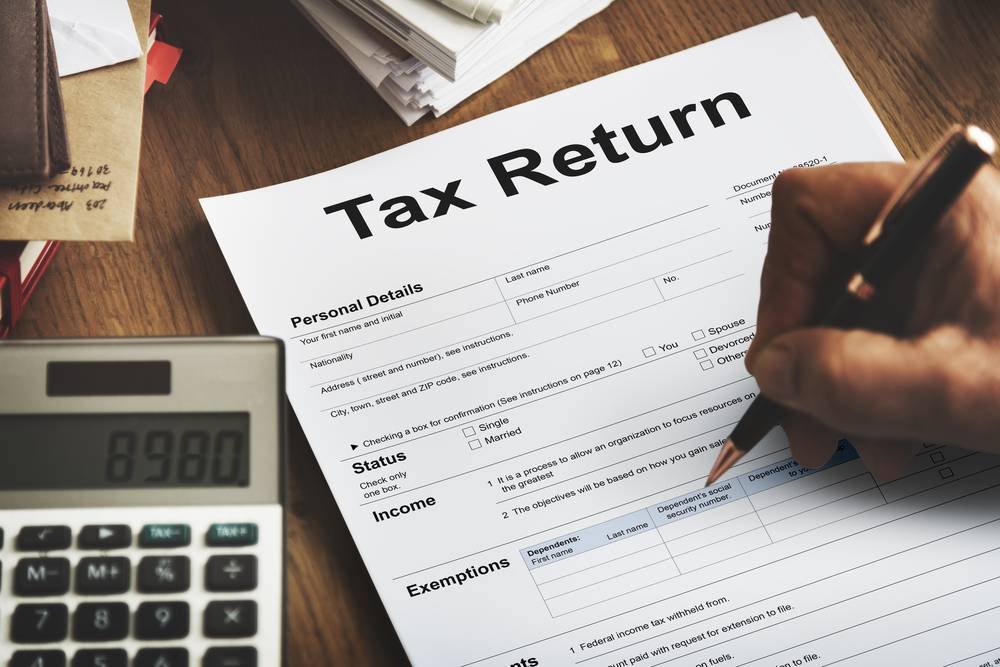
You cannot “forget” the paperwork. Trusts must file annual tax returns using Form TA.
Many office workers in PJ get excited about asset protection, but then they start to worry about the actual filing process. Actually, this is where the tax risks of trusts in Malaysia often hide. People sometimes assume that the question “can trusts reduce tax?” implies that the paperwork also disappears. That is a dangerous mistake. If you miss deadlines, LHDN will issue real penalties. Therefore, you must stay disciplined with your documentation to keep everything above board.
- Trusts have a different tax deadline (usually 7 months after the year-end).
- You must keep proper accounts for all rental or business income.
- Trustees handle the filing, often with professional help to stay compliant.
Honestly, it becomes a simple part of your yearly routine. But remember, a trust is like a living entity. It needs proper “feeding” with documentation to stay healthy and legal.ng of it, it becomes just another part of the yearly “settle everything” routine. But it’s important to know that a trust is like a living entity—it needs to be fed with proper documentation to stay healthy.
The “Crazy Rich” Myth: Is trust planning only for HNWI?
Simply put, if you have a house and a family to protect, you are “rich enough” for a trust.
There’s a myth that you need a private jet to own a trust. But to be frank, middle-class families often suffer most without one. When a breadwinner passes away, the family often lacks the cash to wait for the court. Consequently, they struggle for years.
Actually, many young entrepreneurs set up trusts to protect their startups from liquidation. Thus, it’s not about your current wealth. It’s about what you want your family to keep later. This is where Global Asset Trustee steps in. They provide a bridge for families who want tycoon-level protection without the tycoon price tag.
Actually, many young entrepreneurs are setting up trusts now because they want to protect their startups from being liquidated if something happens to them. Consequently, it’s not about how much you have now, it’s about how much you want your family to keep later. This is where Global Asset Trustee often steps in to provide that bridge for families who aren’t necessarily “tycoons” but want tycoon-level protection.
At the end of the day, we all just want to sleep a bit better at night. Whether you’re sitting at a mamak in Bangsar or a cafe in Georgetown, the conversation about money eventually leads back to one thing: security. The question can trusts reduce tax? is just one part of a much bigger puzzle about keeping our families safe from the “what ifs” of life. Honestly, life in Malaysia is busy enough—between the traffic and the work hustle—that the last thing you want is a legal mess or a tax headache to deal with. Simply put, taking a moment to sort out your trust today is just like getting car insurance; you hope you never have to “claim” it, but you’re so glad it’s there when you do. Touch wood, everything stays smooth, but it never hurts to be prepared.
Website: globalassettrustee.com
Email: admin@globalassettrustee.com.my
Contact Number: 03-9771 5159
Address: A-13-4, Block A, Northpoint, 1, Medan Syed Putra Utara, Mid Valley City, 59200 Kuala Lumpur, Wilayah Persekutuan Kuala Lumpur
💬 “Can a trust actually reduce my tax, or am I just inviting an LHDN audit?”
Addressing the real-world operational questions about tax efficiency, compliance, and the legal “reality check” for Malaysian families in 2026.