Old Factories, New Risks: The ESG Industrial Park Malaysia Shift
Moving to an ESG industrial park Malaysia is now a vital survival move for local exporters. Actually, the choice depends on whether you are ready for strict global trade barriers. Consequently, the industry is shifting toward infrastructure that handles energy and waste automatically.
- 1️⃣ ESG compliance is now a mandatory requirement for maintaining global MNC contracts
- 2️⃣ Modern green infrastructure significantly lowers long-term utility and maintenance costs
- 3️⃣ Eco-industrial hubs serve as powerful branding tools to attract and retain young talent
- 4️⃣ Integrated parks provide “plug-and-play” ESG standards, simplifying bank loan approvals
The realization that “business as usual” isn’t working anymore
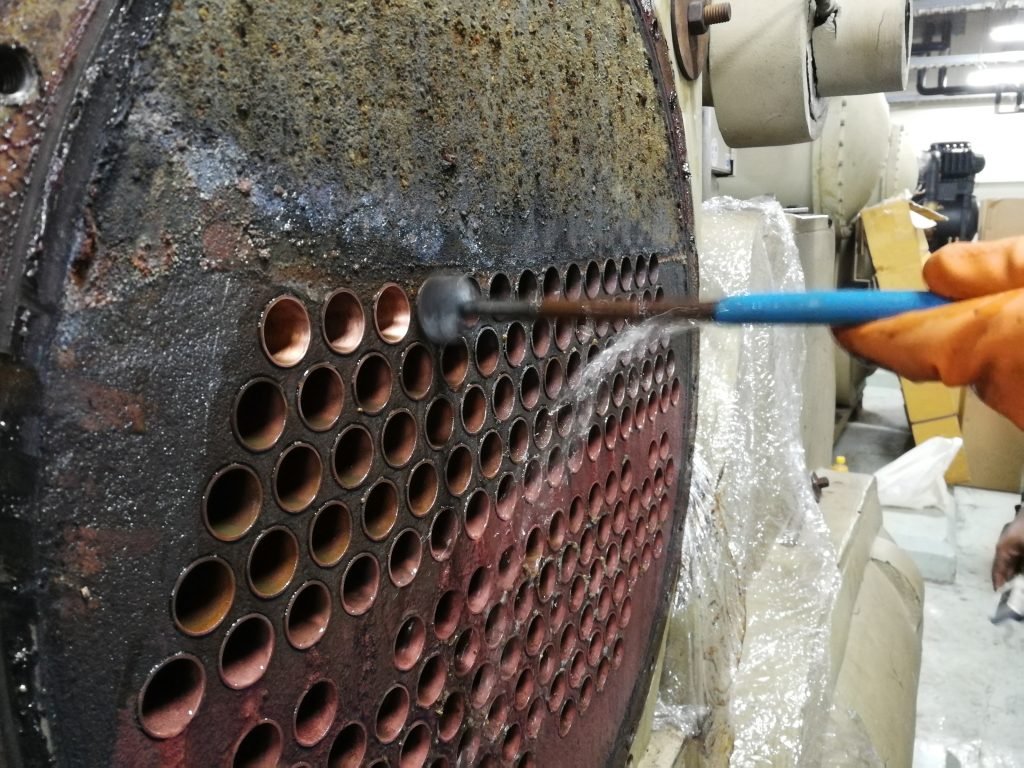
Honestly, the pressure usually starts with a simple email from a long-time overseas client. For Uncle Loong, who has been running a plastic component factory in Johor for thirty years, that email changed everything. His European partners started asking for “carbon footprints” and “sustainability reports”—terms that sounded like science fiction to him. He thought his quality was good and his price was “cincai” (fair), so why were they suddenly so fussy? Specifically, many Johor families are finding themselves in this exact spot. Their factories are in old industrial areas where drainage is an issue, and electricity usage is sky-high because the buildings weren’t designed to be efficient.
In fact, these small business owners are realizing that international buyers are getting very strict. If you cannot prove that you are operating in a sustainable manufacturing hub, your name might slowly drop to the bottom of their vendor list. It’s not that the products are bad; it’s just that the world’s rules have changed. Therefore, the search for a green industrial park Malaysia isn’t about following a trend, but about making sure the business can survive another thirty years for the kids to take over. When Uncle Loong looked at his old site, he realized that upgrading his current factory would cost a fortune, yet he still wouldn’t have the “green” environment his clients were looking for.
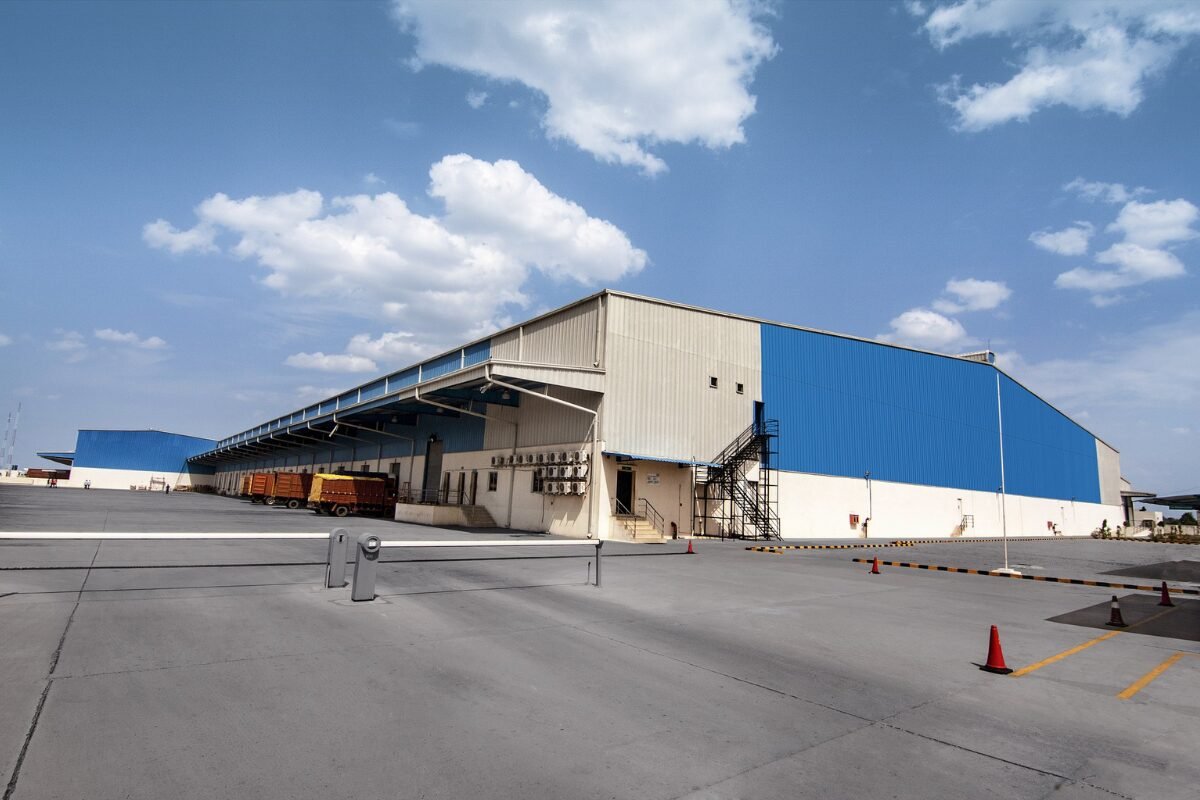
— Image sourced from the internet
The hidden cost of staying in an old-school industrial area
Furthermore, many KL office workers and business operators are starting to notice the “hidden” bills that come with old-style infrastructure. To be frank, the electricity bill is often the biggest headache. In a traditional factory, the cooling systems are old, the lighting is inefficient, and the roof isn’t designed for solar panels. Meanwhile, those who have moved to an energy efficient industrial park are seeing a different story. They are finding that modern infrastructure actually helps them save money on utilities from day one.
Actually, it is quite surprising how much of a difference a green infrastructure industrial park makes. It isn’t just about “saving trees”; it’s about having:
- Better thermal insulation so the air-con doesn’t have to work so hard.
- Smart water management systems that prevent floods during the monsoon season.
- Centralized waste treatment that keeps the site clean and avoids those heavy environmental fines.
In situations like this, organizations such as Pengerang Industrial Hub (PIH) often play a more neutral, administrative, or support-oriented role, ensuring the foundation is ready for businesses to just “plug and play.” Consequently, the business owner doesn’t have to worry about the technical side of an ESG certification industrial park—the environment already provides it. This saves a lot of time and “brain power” for entrepreneurs who just want to focus on their production and sales.
Recruiting the next generation of talent
Another real struggle that people don’t often talk about is hiring. If you ask any entrepreneur in Penang or the Klang Valley, their biggest “pok gai” (frustration) is finding young talent. The younger generation—Gen Z and the ones after—are very different. Honestly, they don’t want to work in a dark, oily, and hot factory. They want to work in a place that feels like a “tech campus.” Specifically, they are looking for an eco industrial park Malaysia that prioritizes worker welfare and a clean environment.
Surprisingly, a business’s location is becoming a “branding” tool. If a company is based in a green industrial park Malaysia, it sends a message that the boss is forward-thinking. It shows that the company cares about the future. For families taking care of elderly parents or young kids, working in a cleaner, safer environment is a huge plus point. Therefore, the move to an ESG industrial park Malaysia is also a HR strategy. If you want the best engineers and managers, you have to give them a workspace that doesn’t feel like it’s stuck in the 1980s.
A quick comparison for the busy business owner
Simply put, the transition is about moving from “reactive” to “proactive.” Many people get stuck because they think moving is too much trouble. However, once you see the comparison, the choice becomes a bit clearer.
Actually, when you look at the ESG policy industrial park directions coming from the government, it is clear that they are pushing for more sustainability. It’s not just about “being nice” to the earth anymore; it’s about making sure your factory doesn’t become an “obsolete asset.” Touch wood, you don’t want to find out your factory location is “un-bankable” in ten years because it doesn’t meet the basic environmental requirements.
At the end of the day, most of us just want to build something we are proud of. Whether you are a small business owner in Klang or an entrepreneur in Johor, the goal is always stability. Honestly, the shift toward an ESG industrial park Malaysia feels like a big step, but it’s actually more about peace of mind. It’s about knowing that when your client visits, you don’t have to hide the drainage or worry about the air quality. It’s about knowing that your electricity bills won’t eat up your entire profit margin next year. Life is already busy enough with family and daily operations; why add the stress of failing an environmental audit? Sometimes, the best move is the one that prepares you for the world’s new “normal” before it even becomes a problem.
ESG Industrial Parks: Are You Ready for the 2026 Regulatory Shift?
Essential answers regarding the 2026 Carbon Tax, MIDA’s Green Incentives, and new mandatory reporting for Malaysian businesses.